
The Gleaming Shield: Exploring the Allure of Zinc Roofs in Modern house Design
The modern architectural landscape is a dynamic tapestry of innovation, where form and function intertwine to create spaces that are both aesthetically compelling and practically efficient. Among the myriad materials contributing to this evolution, zinc has emerged as a compelling choice for roofing, particularly in contemporary residential designs. Its unique characteristics, encompassing durability, sustainability, and a striking visual appeal, have propelled it to the forefront of modern architectural preferences. This article delves into the intricacies of zinc roofs in modern houses, exploring their benefits, design considerations, installation nuances, and their lasting impact on contemporary living.
Zinc, a naturally occurring element, has a long history of use in architecture, dating back centuries. However, its resurgence in modern house design is driven by a confluence of factors. The material’s inherent malleability allows for intricate detailing and complex geometries, catering to the diverse and often experimental forms favored by contemporary architects.
Longevity and Resilience

One of the most compelling advantages of zinc roofs is their exceptional durability. Unlike traditional roofing materials that succumb to weathering and degradation over time, zinc boasts a remarkable lifespan, often exceeding a century. Its inherent resistance to corrosion, thanks to the formation of a protective patina, shields it from the elements, ensuring its structural integrity for generations. This longevity translates to reduced maintenance costs and a significant return on investment.
Sustainable Sensibilities
In an era defined by environmental consciousness, zinc’s sustainability credentials are a significant draw. It is a naturally abundant and readily recyclable material, minimizing its environmental footprint. Furthermore, its low embodied energy, the total energy required to extract, process, manufacture, and transport a material, contributes to its eco-friendly profile. Zinc roofs are also effective in reflecting solar radiation, reducing heat absorption and contributing to energy efficiency in buildings.
Aesthetic Versatility
The visual appeal of zinc is undeniable. Its sleek, metallic finish lends a contemporary edge to any structure, while its ability to develop a beautiful patina over time adds character and depth. The material’s malleability allows for seamless integration with various architectural styles, from minimalist boxes to complex, curvilinear forms. Zinc roofs can be fabricated in a variety of profiles, including standing seam, flat lock, and shingles, offering architects a wide range of design possibilities.

Designing a modern house with a zinc roof requires careful consideration of several factors to maximize its aesthetic and functional potential.
Roof Geometry and Complexity
Zinc’s flexibility makes it ideal for complex roof geometries, including curved surfaces, vaulted ceilings, and intricate intersections. However, the complexity of the design will influence the installation process and the overall cost. Careful planning and collaboration with experienced fabricators are essential to ensure a successful outcome.
Climate and Environmental Factors
While zinc is highly resistant to corrosion, it is essential to consider the specific climate and environmental conditions of the site. In coastal areas, where salt spray is prevalent, or in regions with high levels of industrial pollution, additional protective measures may be necessary. Consulting with a specialist can help determine the optimal zinc alloy and surface treatment for the specific environment.
Integration with Other Building Materials
The success of a zinc roof in a modern house relies on its seamless integration with other building materials. The choice of cladding, windows, and other architectural elements should complement the zinc’s aesthetic, creating a cohesive and harmonious design. Careful attention to detailing, particularly at junctions and transitions, is crucial to prevent water infiltration and ensure the long-term performance of the roof.
Ventilation and Thermal Performance
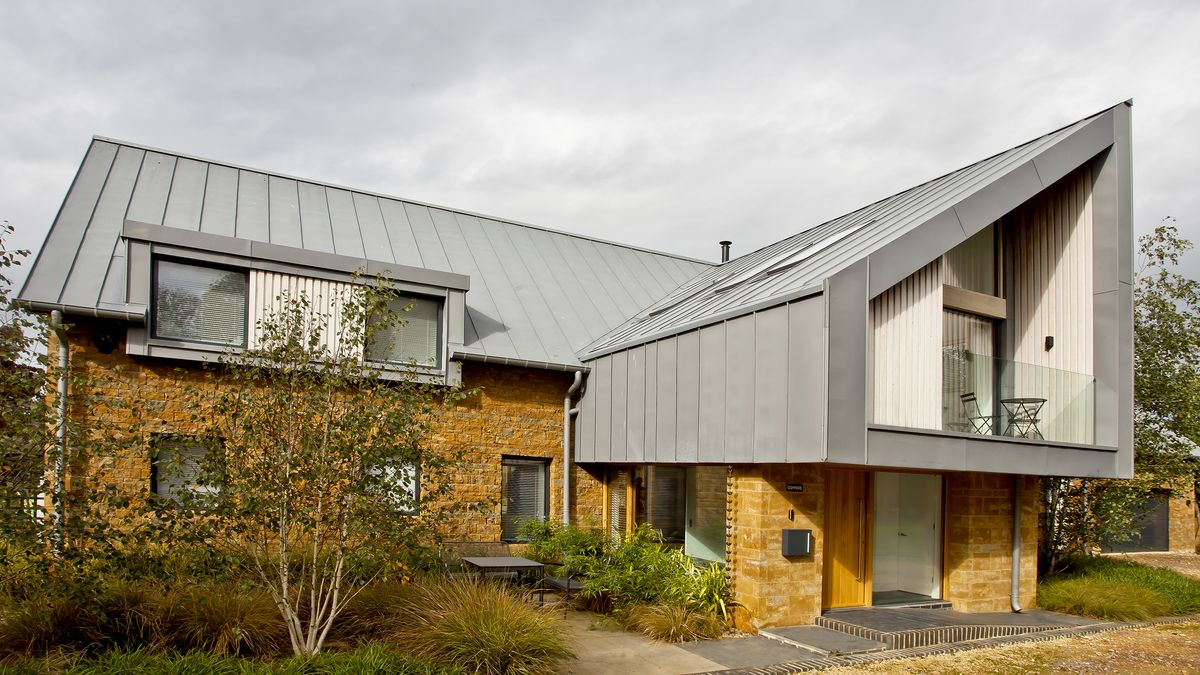
Proper ventilation is essential for any roof system, but it is particularly critical for zinc roofs. Adequate airflow beneath the zinc panels helps to prevent condensation and maintain the roof’s thermal performance. Insulation and vapor barriers should be carefully selected and installed to optimize energy efficiency and prevent moisture-related issues.
The installation of a zinc roof requires specialized skills and expertise. It is crucial to engage experienced contractors who are familiar with the material’s properties and installation techniques.
Substrate and Underlayment
The substrate, the surface onto which the zinc panels are attached, must be smooth, level, and structurally sound. Typically, plywood or oriented strand board (OSB) is used. An appropriate underlayment, such as a breathable membrane, is essential to provide a secondary layer of protection against water infiltration and to allow for proper ventilation.
Panel Fabrication and Installation
Zinc panels are typically fabricated off-site to precise dimensions and specifications. They are then transported to the site and installed using specialized tools and techniques. The panels are mechanically fastened to the substrate, ensuring a secure and watertight connection. Proper detailing at seams, penetrations, and edges is crucial to prevent leaks and ensure the long-term performance of the roof.
Maintenance and Care
Zinc roofs require minimal maintenance. The natural patina that forms on the surface provides a protective barrier against corrosion. However, regular inspections are recommended to identify any potential issues, such as loose fasteners or damaged panels. Cleaning with mild soap and water can help to remove dirt and debris, preserving the roof’s aesthetic appeal.
The adoption of zinc roofs in modern house design has had a profound impact on contemporary living.
Enhanced Architectural Expression
Zinc roofs contribute to a distinctive architectural aesthetic, adding a touch of sophistication and modernity to residential structures. Their ability to adapt to diverse design styles allows architects to create unique and compelling forms that reflect the evolving tastes of contemporary homeowners.
Increased Property Value
The durability, sustainability, and aesthetic appeal of zinc roofs contribute to increased property value. Their long lifespan and low maintenance requirements make them a desirable feature for discerning buyers.
Improved Energy Efficiency
Zinc’s reflective properties help to reduce heat absorption, contributing to lower energy consumption for cooling. Proper ventilation and insulation further enhance the roof’s thermal performance, creating comfortable and energy-efficient living spaces.
Sustainable and Responsible Building Practices
The use of zinc in roofing aligns with the growing emphasis on sustainable building practices. Its recyclability and low embodied energy make it an environmentally responsible choice for modern homeowners.
Zinc roofs have emerged as a compelling and enduring feature of modern house design. Their unique combination of durability, sustainability, and aesthetic versatility has captivated architects and homeowners alike. As technology advances and design preferences evolve, zinc’s adaptability and enduring appeal will continue to shape the future of residential architecture. The gleaming shield of a zinc roof not only protects a modern home but also embodies the principles of contemporary design, reflecting a commitment to innovation, sustainability, and enduring elegance.


