
The Serene Embrace: Modern Zen Living and the Integrated Garden
The modern home, a canvas of clean lines and minimalist aesthetics, finds its ultimate expression in the integration of the Zen garden. It’s a fusion that transcends mere decoration, becoming a lifestyle, a philosophy woven into the very fabric of the dwelling. In this exploration, we delve into the harmonious marriage of modern architecture and the tranquil principles of Zen, focusing on the creation of a living space that fosters peace, introspection, and a profound connection with nature.
Simplicity and Functionality: The Cornerstones
Modern Zen architecture prioritizes simplicity, stripping away unnecessary ornamentation to reveal the essential beauty of form and function. Clean lines, open spaces, and natural materials are the hallmarks of this style. The emphasis is on creating a sense of calm and order, a sanctuary from the chaos of the outside world.
Natural Light and Open Spaces: Breathing Room for the Soul
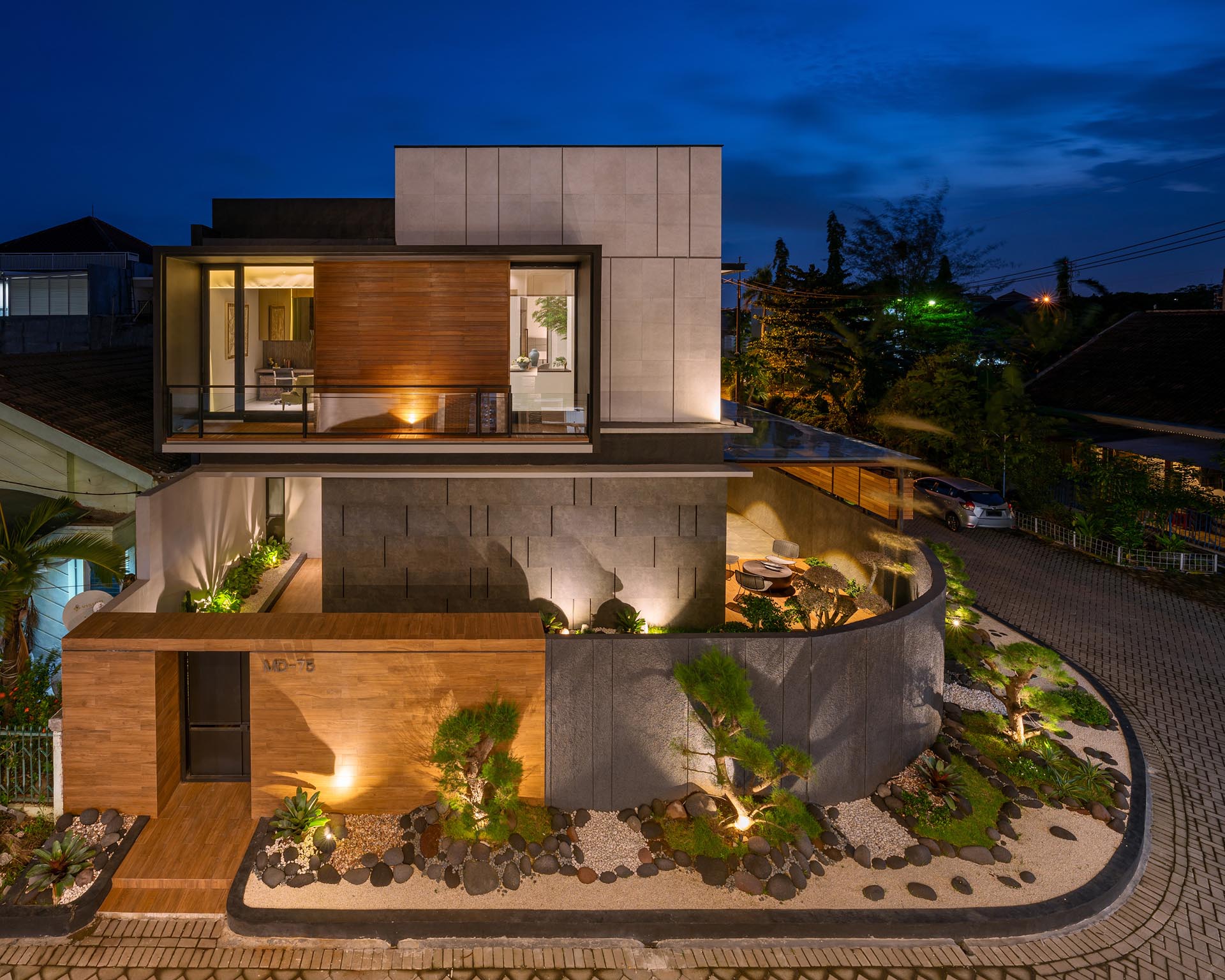
Large windows and open floor plans invite natural light to flood the interior, blurring the lines between indoor and outdoor spaces. This connection to the natural environment is crucial in Zen philosophy, fostering a sense of harmony and balance. The use of skylights and strategically placed windows can create a dynamic interplay of light and shadow, adding depth and texture to the space.
Natural Materials: Grounding the Design
Wood, stone, bamboo, and paper are often incorporated into the design, grounding the home in the natural world. These materials are chosen for their inherent beauty and their ability to age gracefully, reflecting the passage of time. The use of natural finishes and textures adds a tactile dimension to the space, enhancing the sensory experience.
The Philosophy of Karesansui: Dry Landscapes of Contemplation
The heart of the Zen garden is often the karesansui, or dry landscape garden. This style, characterized by raked gravel, carefully placed rocks, and pruned trees, represents a stylized version of nature, inviting contemplation and meditation. The gravel represents water, while the rocks symbolize mountains or islands.
The Importance of Negative Space: Ma and the Art of Emptiness
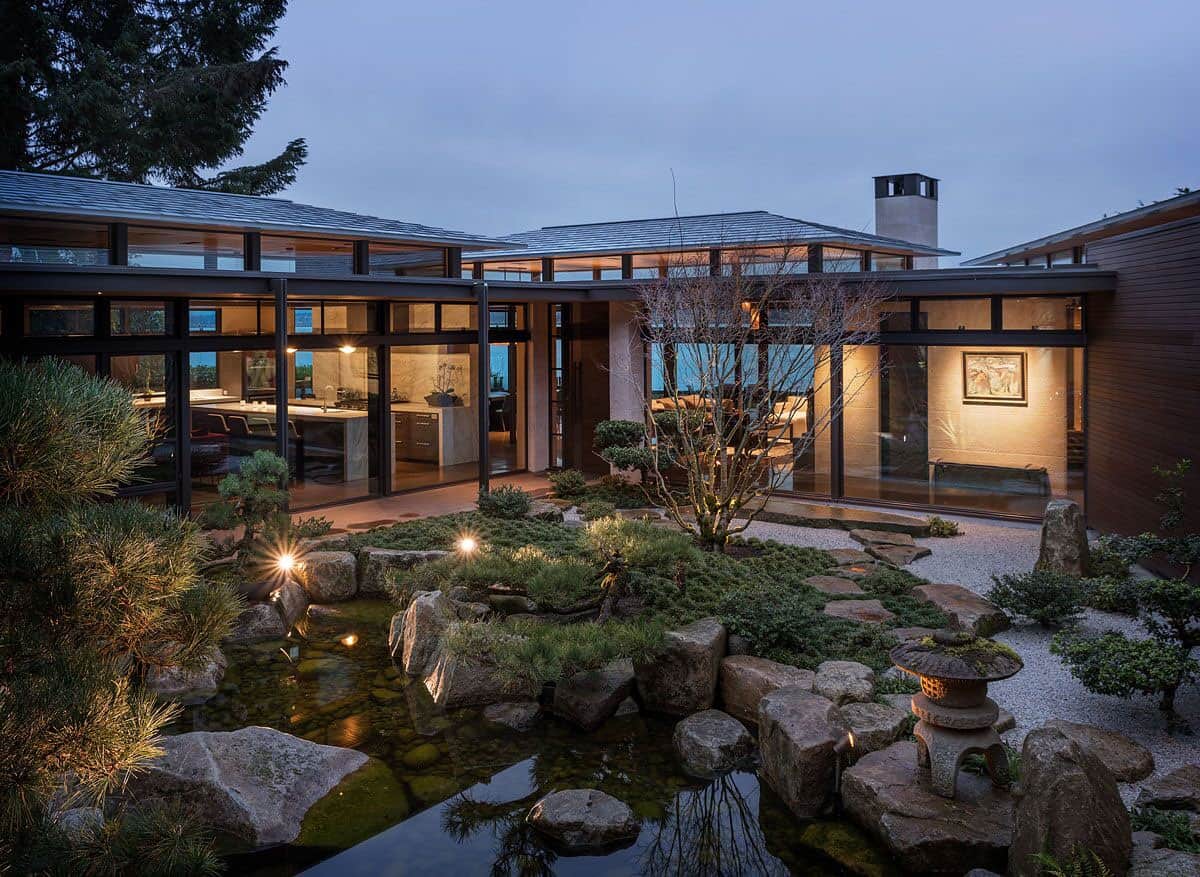
In Zen philosophy, ma refers to the concept of negative space or emptiness. It is the space between objects, the pause between breaths, that allows for contemplation and appreciation. In the Zen garden, this principle is reflected in the careful placement of elements, creating a sense of balance and harmony.
The Use of Natural Elements: Symbolism and Harmony
Each element in the Zen garden is carefully chosen for its symbolic meaning and its contribution to the overall harmony of the space. Rocks, for example, can represent strength, stability, and longevity, while moss symbolizes age and tranquility. The careful arrangement of these elements creates a miniature landscape that reflects the natural world.
The Courtyard Garden: A Private Oasis
The courtyard garden is a popular feature in modern Zen homes, providing a private and secluded space for contemplation. This enclosed garden can be viewed from multiple rooms, creating a seamless connection between the interior and exterior. The use of sliding glass doors or large windows allows for an unobstructed view of the garden, even when indoors.
The Rooftop Garden: Elevated Tranquility
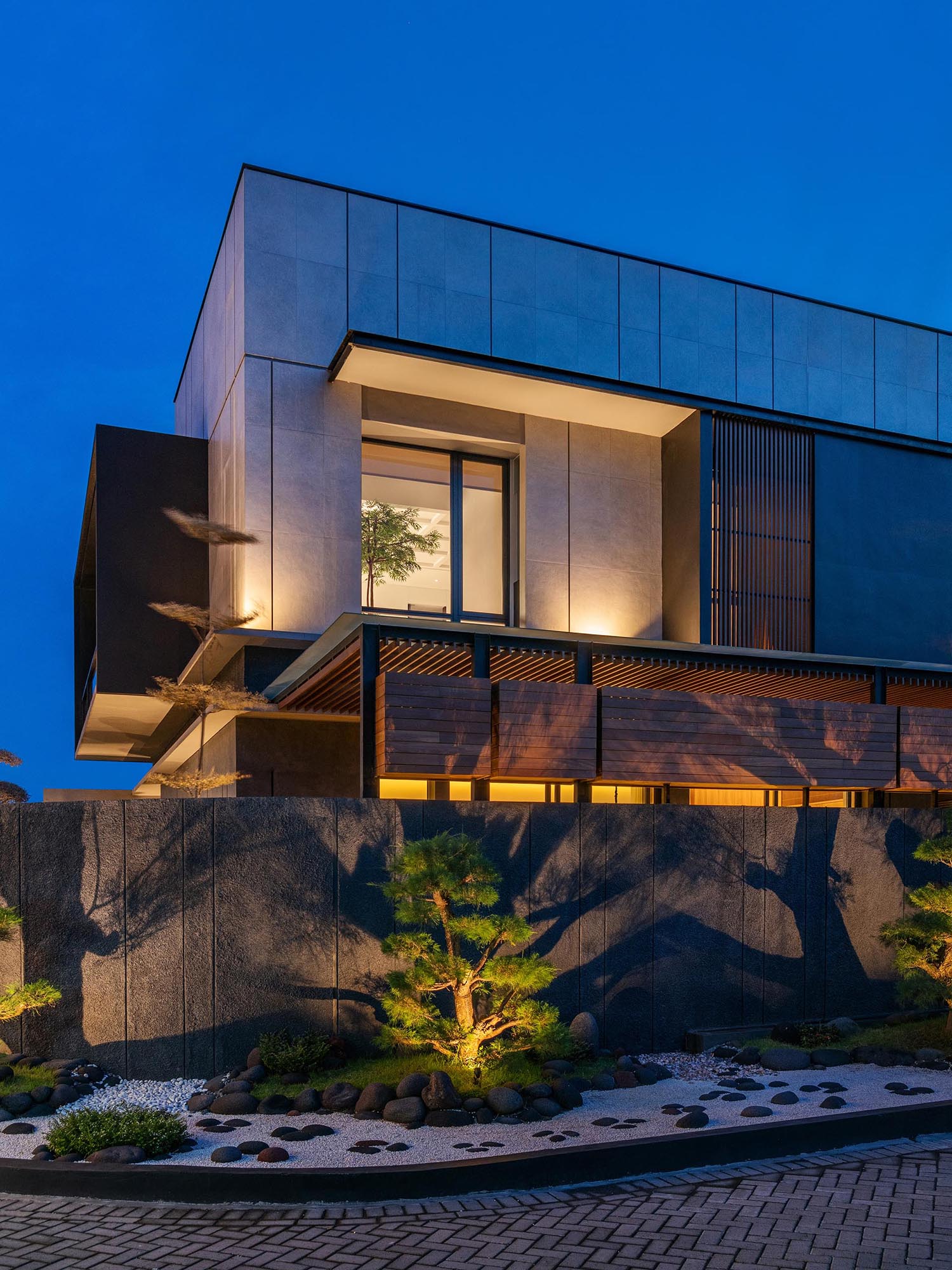
For urban dwellings, the rooftop garden offers a unique opportunity to create a Zen sanctuary in the sky. This elevated space can be designed with a minimalist aesthetic, incorporating raked gravel, carefully placed rocks, and low-maintenance plants. The rooftop garden provides a peaceful retreat from the hustle and bustle of city life.
The Indoor Garden: Bringing Nature Inside
Integrating elements of the Zen garden into the interior of the home can create a seamless flow between indoor and outdoor spaces. Indoor gardens can be created using potted plants, bonsai trees, and carefully arranged rocks. The use of natural materials, such as bamboo and stone, can further enhance the connection to nature.
Minimalist Furnishings: Less is More
The interior design of a modern Zen home should reflect the minimalist principles of the garden. Furniture should be simple, functional, and uncluttered. Natural materials, such as wood and linen, are preferred, and the color palette should be neutral and calming.
The Importance of Sensory Experience: Sight, Sound, and Touch
The Zen garden and the modern Zen home are designed to engage all the senses. The sound of water trickling from a fountain, the feel of smooth rocks underfoot, and the scent of blooming flowers all contribute to the overall sensory experience. The use of natural light and shadow can create a dynamic visual experience, while the tactile qualities of natural materials enhance the sense of connection to the environment.
Creating a Sense of Flow: Connecting Interior and Exterior
The design should create a seamless flow between the interior and exterior spaces. This can be achieved through the use of large windows, sliding doors, and open floor plans. The garden should be visible from multiple rooms, creating a sense of continuity and connection.
Engawa: The Transition Space
The engawa, or veranda, is a traditional Japanese architectural feature that serves as a transitional space between the interior and exterior. It provides a sheltered area for relaxation and contemplation, blurring the lines between indoors and outdoors. In a modern Zen home, the engawa can be reimagined as a deck or patio that seamlessly connects the living space to the garden.
Shoji Screens: Diffusing Light and Creating Privacy
Shoji screens, made of translucent paper stretched over a wooden frame, are used to diffuse natural light and create a sense of privacy. They can be used to divide spaces, create a sense of depth, and enhance the overall aesthetic of the home. In a modern Zen home, shoji screens can be incorporated into the design of windows, doors, and partitions.
Water Features: Bringing Life and Movement
Water features, such as fountains, ponds, and streams, can add a sense of life and movement to the Zen garden. The sound of trickling water can be soothing and meditative, creating a peaceful atmosphere. In a modern Zen home, water features can be incorporated into the design of courtyards, patios, and even indoor spaces.
Stone Lanterns: Illuminating the Path
Stone lanterns, or toro, are traditional Japanese garden ornaments that provide soft, ambient lighting. They can be used to illuminate pathways, highlight focal points, and create a sense of mystery and intrigue. In a modern Zen home, stone lanterns can be incorporated into the design of the garden and outdoor spaces.
Bonsai Trees: Miniature Landscapes of Nature
Bonsai trees, miniature trees grown in containers, are a popular feature in Zen gardens. They represent the beauty and resilience of nature, and their carefully pruned forms reflect the artistry and discipline of the gardener. In a modern Zen home, bonsai trees can be used to create indoor gardens or to enhance the aesthetic of outdoor spaces.
Reduced Stress and Enhanced Well-being
The peaceful and tranquil environment of a modern Zen garden home can help reduce stress and promote a sense of well-being. The connection to nature, the minimalist aesthetic, and the emphasis on contemplation all contribute to a calming and restorative atmosphere.
Increased Mindfulness and Introspection
The Zen garden and the modern Zen home are designed to encourage mindfulness and introspection. The carefully curated elements, the emphasis on negative space, and the connection to nature all create an environment that fosters contemplation and self-reflection.
Enhanced Connection to Nature
The integration of the Zen garden into the modern home creates a seamless connection to nature. This connection can enhance our appreciation for the natural world and promote a sense of harmony and balance.
A Unique and Personalized Living Space
A modern Zen garden home is a unique and personalized living space that reflects the individual’s values and aesthetic preferences. The careful selection of materials, the thoughtful arrangement of elements, and the integration of the garden all contribute to a distinctive and meaningful living experience.
In conclusion, the modern Zen garden home is more than just a style of architecture or interior design. It is a philosophy of living that emphasizes simplicity, tranquility, and a profound connection to nature. By integrating the principles of Zen into the design of the home, we can create a sanctuary that fosters peace, introspection, and a deep sense of well-being.


