
“`html
The Modern house White: A Study in Light and Space
body {
font-family: sans-serif;
line-height: 1.6;
margin: 20px;
}
h1, h2, h3 {
color: #333;
}
p {
margin-bottom: 15px;
}
.image-container {
text-align: center;
margin: 20px 0;
}
.image-container img {
max-width: 100%;
height: auto;
}
The Modern House White: A Study in Light and Space
The modern house, particularly those embracing a predominantly white aesthetic, represents a powerful shift in architectural and interior design philosophy. It’s more than just a color choice; it’s a deliberate strategy to maximize light, create a sense of spaciousness, and cultivate a serene, minimalist environment. This article delves into the various facets of the modern white house, exploring its origins, design principles, material choices, and the psychological impact it has on its inhabitants.

A typical example of a modern white house design.
Origins and Evolution of the White Aesthetic
The use of white in architecture has a long and varied history. From the whitewashed villages of the Mediterranean, designed to reflect sunlight and keep interiors cool, to the minimalist movements of the 20th century, white has consistently symbolized purity, simplicity, and modernity. The Bauhaus school, with its emphasis on functionalism and clean lines, played a crucial role in popularizing the white aesthetic. Architects like Le Corbusier championed the use of white to create spaces that were both visually striking and conducive to modern living.
In contemporary architecture, the white house has evolved to encompass a wide range of styles, from minimalist villas to Scandinavian-inspired family homes. What remains consistent is the underlying principle of using white to enhance the perception of space and light, creating interiors that are both calming and invigorating.
Design Principles of the Modern White House
Maximizing Natural Light
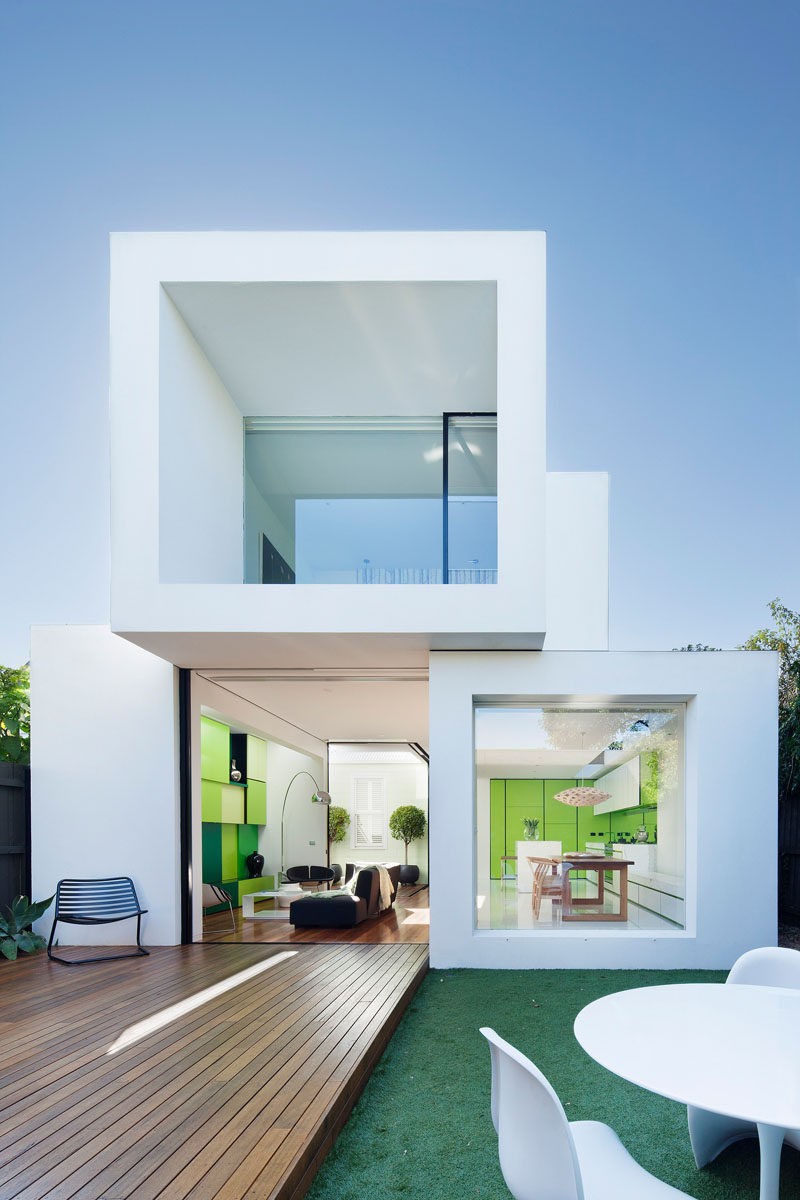
One of the primary goals of a white house is to maximize natural light. White surfaces reflect light, making rooms appear brighter and more spacious. Large windows, skylights, and open-plan layouts are essential elements in achieving this goal. The interplay of light and shadow on white walls creates a dynamic and ever-changing environment, adding depth and texture to the space.
Creating a Sense of Spaciousness
White walls and ceilings create a sense of visual continuity, blurring the boundaries between different areas of the house. This is particularly effective in smaller spaces, where it can make a significant difference in the perceived size of the room. Open-plan layouts further enhance this effect, allowing light to flow freely throughout the house.
Embracing Minimalism
The white aesthetic is closely associated with minimalism, a design philosophy that emphasizes simplicity and functionality. Clutter is minimized, and furniture is chosen for its clean lines and understated elegance. This creates a sense of calm and order, allowing the inhabitants to focus on what truly matters.
Focusing on Texture and Materiality
While white may seem like a uniform color, it can actually be quite nuanced. Different materials and finishes can create subtle variations in tone and texture, adding depth and interest to the space. Natural materials like wood, stone, and concrete are often used to complement the white surfaces, adding warmth and organic texture to the interior.
Material Choices for the White House
Exterior Materials
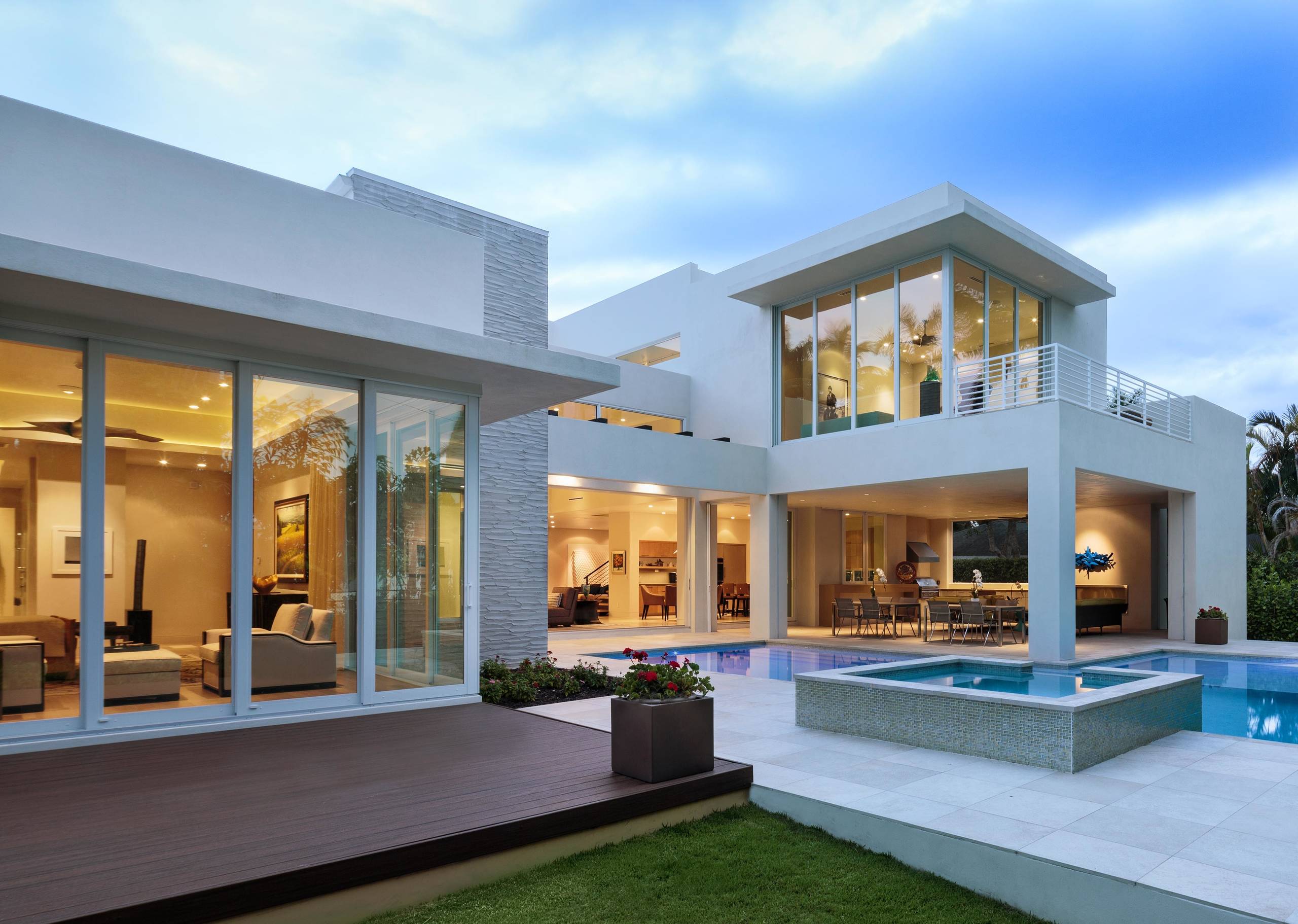
The exterior of a white house can be clad in a variety of materials, each with its own unique characteristics. Stucco, painted brick, and rendered concrete are popular choices for their durability and smooth, seamless finish. White metal cladding, such as aluminum or steel, can add a sleek and modern touch. Wood siding, painted white, can create a more traditional and warm aesthetic.
Interior Materials
Inside the house, white paint is the most common choice for walls and ceilings. However, other materials can also be used to create white surfaces. White tiles, marble, and quartz are popular choices for bathrooms and kitchens, adding a touch of luxury and durability. White concrete floors can create a seamless and minimalist look, while white-washed wood floors can add warmth and texture.
Furnishings and Décor
Furnishings and décor in a white house are typically chosen for their clean lines and understated elegance. Natural materials like wood, leather, and linen are often used to add warmth and texture. Pops of color can be introduced through artwork, textiles, and accessories, but these are typically used sparingly to maintain the overall minimalist aesthetic.
The Psychological Impact of White Spaces
Creating a Sense of Calm and Serenity
White is often associated with purity, peace, and tranquility. A white interior can create a sense of calm and serenity, providing a refuge from the chaos of modern life. This can be particularly beneficial in urban environments, where noise and visual clutter can be overwhelming.
Enhancing Focus and Concentration
The absence of visual distractions in a white space can enhance focus and concentration. This makes it an ideal environment for work or study. The minimalist aesthetic can also promote a sense of clarity and mental clarity.
Promoting Creativity and Inspiration
While white may seem like a blank canvas, it can actually be a powerful catalyst for creativity. The absence of visual distractions allows the mind to wander and explore new ideas. The interplay of light and shadow on white surfaces can also be a source of inspiration.
Addressing Challenges and Considerations
Maintaining a white interior requires careful attention to cleaning and maintenance. White surfaces can easily show dirt and stains, so it’s important to choose durable and easy-to-clean materials. The lack of color can also be a challenge for some people, who may find it too sterile or impersonal. However, this can be addressed by incorporating natural materials, textures, and pops of color.
The Future of the Modern White House
The modern white house is likely to remain a popular choice for those seeking a minimalist, light-filled, and serene living environment. As technology advances, we can expect to see new and innovative materials and finishes that further enhance the white aesthetic. Sustainable and eco-friendly materials are also likely to play a greater role in the design and construction of white houses.
The adaptability of the white palette also means that it will continue to evolve with cultural and aesthetic shifts. While the core tenets of light, space, and simplicity will remain, new interpretations of the white house will continue to emerge, reflecting the changing needs and desires of modern living.
In conclusion, the modern white house is more than just a trend; it’s a reflection of our desire for simplicity, tranquility, and connection with nature. By maximizing light, creating a sense of spaciousness, and embracing minimalism, the white house offers a powerful and enduring vision of modern living.
“`


