
The Enduring Appeal of the Modern Wooden house: Harmony in Grain and Glass
The modern wooden house, a structure where the warmth of natural materials meets the clean lines of contemporary design, stands as a testament to the enduring appeal of organic architecture. In a world increasingly dominated by concrete and steel, the resurgence of wood as a primary building material signals a desire for homes that are not only aesthetically pleasing but also deeply connected to the natural environment. This exploration delves into the design philosophies, material choices, and sustainable practices that define the modern wooden house, offering a comprehensive look at this captivating architectural trend.
The core philosophy behind modern wooden houses centers on creating spaces that are both functional and harmonious with their surroundings. This approach transcends mere aesthetics, embracing principles of sustainability, energy efficiency, and a deep respect for the natural world.
Embracing Natural Light and Open Plans
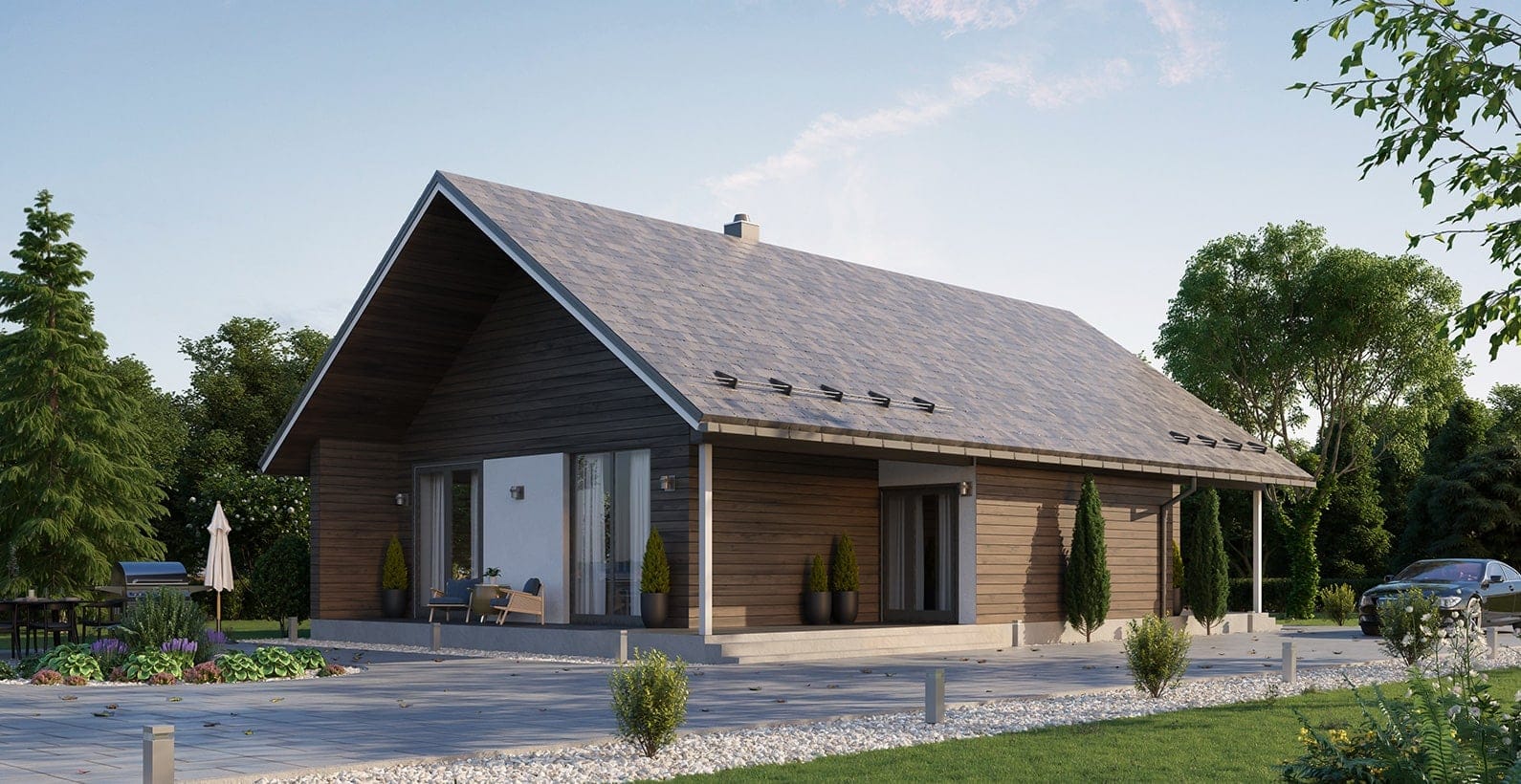
Modern wooden houses often feature expansive windows and open-plan layouts. This design choice maximizes natural light penetration, creating bright and airy interiors that blur the lines between indoor and outdoor spaces. The interplay of light and shadow on the wood surfaces adds depth and texture, enhancing the overall sensory experience.
A Focus on Sustainability and Ecological Footprint
Sustainability is paramount in modern wooden house design. Architects prioritize the use of sustainably sourced timber, minimizing the environmental impact of construction. They also incorporate features like solar panels, rainwater harvesting systems, and green roofs to reduce energy consumption and promote ecological balance.
Connecting with Nature: Biophilic Design Principles
Biophilic design, which emphasizes the innate human connection to nature, plays a significant role in modern wooden house architecture. This approach incorporates natural materials, vegetation, and natural light to create spaces that foster well-being and a sense of connection to the environment.

The selection of wood is a critical aspect of modern wooden house construction. Each species possesses unique characteristics that contribute to the aesthetic and structural integrity of the building.
Engineered Wood: Strength and Versatility
Engineered wood products, such as cross-laminated timber (CLT) and glued laminated timber (glulam), have revolutionized modern wooden construction. These materials offer exceptional strength, stability, and versatility, allowing for the creation of complex and innovative designs. CLT, for example, is composed of multiple layers of lumber glued together, creating large, solid panels that can be used for walls, floors, and roofs.
Locally Sourced Timber: Reducing Carbon Footprint
Architects often prioritize locally sourced timber to minimize transportation costs and reduce the carbon footprint of construction. This approach also supports local economies and promotes the use of regionally appropriate wood species.
Sustainable Forestry Practices: Ensuring Responsible Harvesting
The use of certified sustainable wood, such as Forest Stewardship Council (FSC) certified timber, is essential for responsible construction. These certifications ensure that the wood is harvested from forests managed in an environmentally and socially responsible manner.
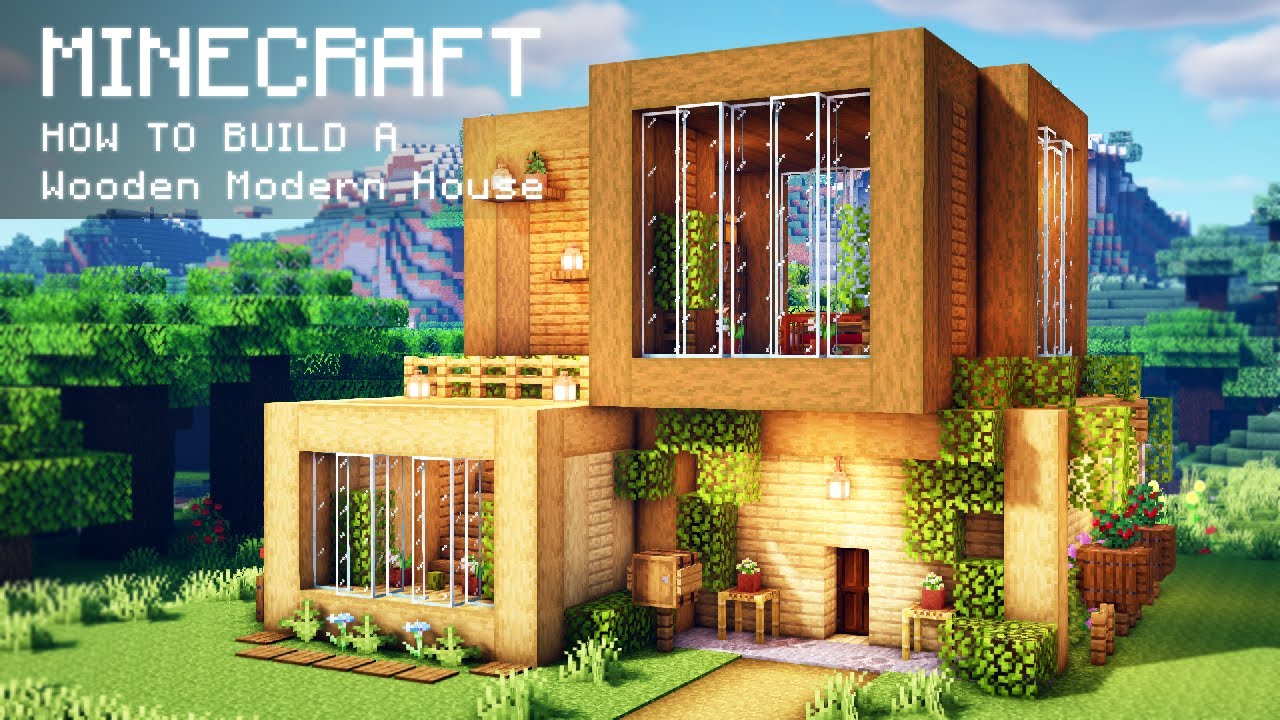
The design of modern wooden houses is characterized by clean lines, minimalist details, and a seamless integration of natural materials.
Clean Lines and Minimalist Details
Modern wooden houses embrace simplicity and functionality. Clean lines, uncluttered spaces, and minimalist details create a sense of calm and order. The natural beauty of the wood is allowed to shine, without unnecessary ornamentation.
Exposed Timber Structures: Celebrating the Material
Many modern wooden houses feature exposed timber structures, showcasing the beauty and strength of the material. Beams, columns, and roof trusses are often left visible, adding a sense of warmth and authenticity to the interior spaces.
Integration of Glass and Steel: Balancing Warmth and Modernity
The integration of glass and steel elements complements the warmth of wood, creating a balanced and harmonious aesthetic. Large expanses of glass allow for panoramic views and abundant natural light, while steel accents add a touch of modern sophistication.
Modern wooden houses are designed to be energy efficient and environmentally friendly, incorporating a range of sustainable practices.
Passive Solar Design: Maximizing Natural Heating and Cooling
Passive solar design principles are often employed to maximize natural heating and cooling. This approach involves orienting the house to take advantage of sunlight during the winter and providing shade during the summer.
High-Performance Insulation: Reducing Energy Consumption
High-performance insulation is essential for maintaining a comfortable indoor temperature and reducing energy consumption. Natural insulation materials, such as sheep’s wool and cellulose, are often preferred for their environmental benefits.
Renewable Energy Systems: Generating Clean Power
Solar panels, geothermal systems, and other renewable energy technologies are increasingly integrated into modern wooden houses to generate clean power and reduce reliance on fossil fuels.
To illustrate the diversity and innovation of modern wooden house design, let’s examine a few compelling examples.
The Mountain Retreat: A Harmonious Blend of Wood and Stone
Nestled in a remote mountain landscape, this modern wooden retreat features a striking blend of wood and stone. The exterior is clad in locally sourced timber, while the interior showcases exposed timber beams and natural stone accents. Large windows frame panoramic views of the surrounding mountains, creating a seamless connection with nature.
The Urban Oasis: A Sustainable Wooden Townhouse
Located in a bustling urban environment, this sustainable wooden townhouse demonstrates the versatility of modern wooden construction. The building is constructed using CLT panels, which provide exceptional strength and insulation. A green roof and rainwater harvesting system further enhance the building’s environmental performance.
The Coastal Cabin: A Minimalist Wooden Retreat by the Sea
Perched on a cliff overlooking the ocean, this minimalist wooden cabin offers a serene escape from the everyday. The design is characterized by clean lines, simple materials, and a deep connection to the surrounding landscape. Large sliding glass doors open onto a spacious deck, blurring the boundaries between indoor and outdoor spaces.
The modern wooden house represents a compelling vision for the future of residential architecture. As concerns about climate change and environmental sustainability continue to grow, the demand for eco-friendly and biophilic homes is likely to increase.
Technological Advancements: Enhancing Wood Performance
Ongoing research and development are leading to advancements in wood technology, such as improved fire resistance, durability, and insulation properties. These advancements will further enhance the performance and versatility of wooden building materials.
Prefabrication and Modular Construction: Streamlining the Building Process
Prefabrication and modular construction techniques are streamlining the building process, making modern wooden houses more affordable and accessible. These methods involve manufacturing components off-site and then assembling them on-site, reducing construction time and waste.
Community-Based Wooden Housing: Fostering Sustainable Development
Community-based wooden housing projects are emerging as a model for sustainable development. These projects involve collaborative design and construction processes, empowering local communities to create environmentally responsible and socially equitable housing solutions.
The modern wooden house is more than just a building; it is a philosophy, a lifestyle, and a testament to the enduring beauty and versatility of wood. By embracing sustainability, biophilic design, and innovative technologies, modern wooden architecture offers a compelling vision for a more harmonious and environmentally responsible future.


