
The Micro-Revolution: Living Large in Tiny Modern houses
The allure of the sprawling suburban mansion, once the pinnacle of the American dream, is fading. In its place, a quiet revolution is taking hold: the rise of the tiny modern house. Driven by a desire for simplicity, sustainability, and financial freedom, a growing number of individuals and families are embracing the minimalist lifestyle, finding that less truly can be more. This article delves into the intricacies of this fascinating trend, exploring the design philosophies, practical considerations, and societal implications of living large in a small space.
The tiny house movement is more than just a trend; it’s a philosophy. It’s a conscious rejection of consumerism and a rediscovery of the essentials. It’s about prioritizing experiences over possessions, freedom over accumulation.
Minimalism and Intentional Living

The core principle underpinning tiny house living is minimalism. It’s about decluttering not just your physical space, but also your mental space. By focusing on what truly matters, inhabitants find a sense of peace and clarity that often eludes those living in larger, more cluttered environments.
Sustainability and Environmental Consciousness
Tiny houses are inherently more sustainable. Their smaller footprint translates to reduced energy consumption, lower material usage, and a diminished impact on the environment. Many tiny house dwellers embrace eco-friendly building materials and practices, further minimizing their ecological footprint.
Financial Freedom and Flexibility
The financial benefits of tiny house living are undeniable. Reduced mortgage payments, lower property taxes, and minimal utility bills free up resources for other pursuits, such as travel, education, or early retirement. This financial flexibility allows for a more fulfilling and less stressful lifestyle.
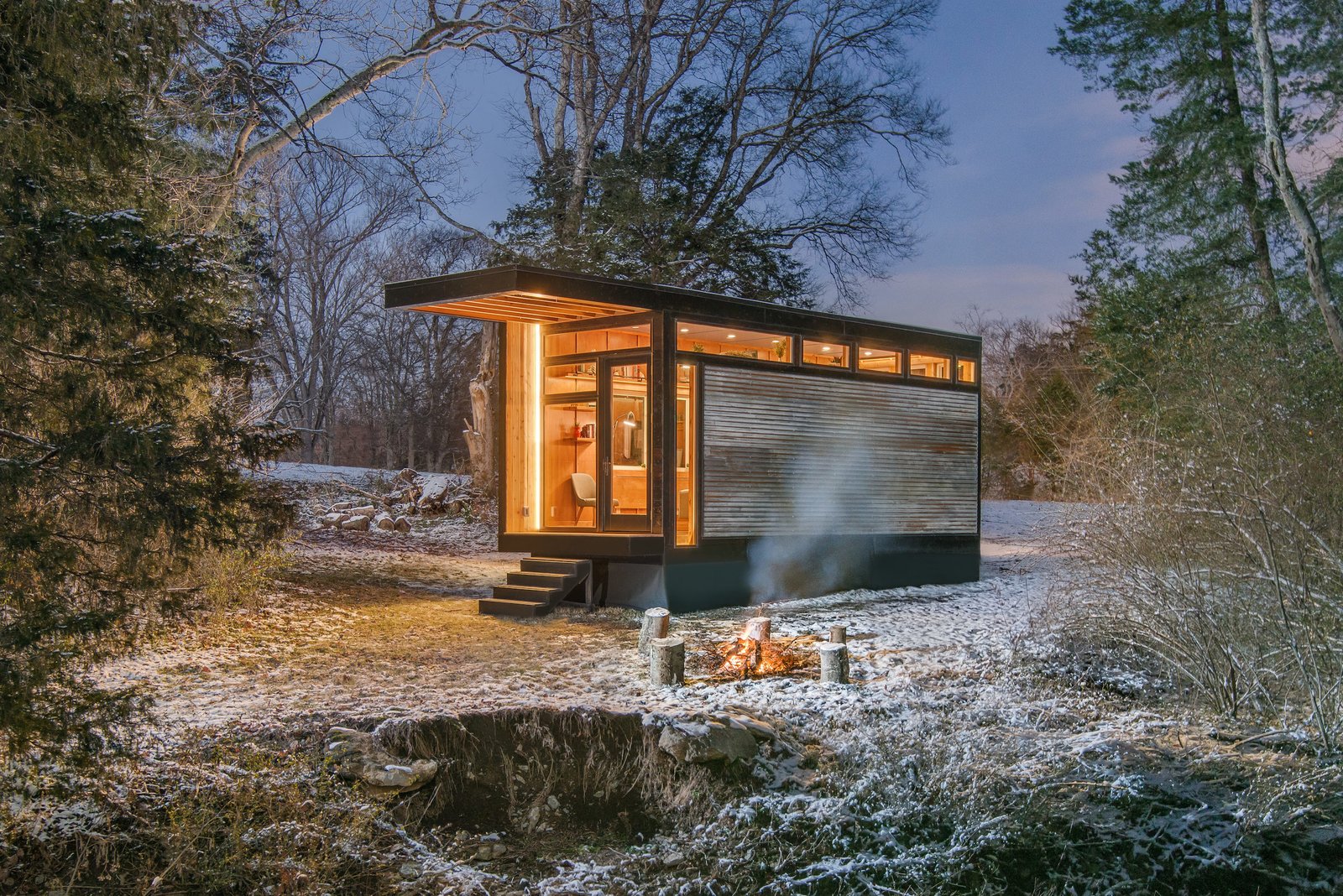
Designing a functional and comfortable tiny house requires ingenuity and a deep understanding of spatial efficiency. Every square inch must be carefully considered, and multi-functional solutions are paramount.
Maximizing Vertical Space
In a small footprint, vertical space is a precious commodity. Lofts, high ceilings, and built-in storage solutions that extend upwards are essential for creating a sense of spaciousness.
Multi-Functional Furniture and Spaces
Furniture that serves multiple purposes is crucial. A sofa that converts into a bed, a dining table that folds away, and storage that doubles as seating are just a few examples of space-saving design.
Natural Light and Ventilation
Large windows and skylights are essential for bringing in natural light and creating a bright, airy atmosphere. Cross-ventilation is also crucial for maintaining comfortable temperatures and air quality.
Smart Storage Solutions
Clever storage solutions are the key to keeping a tiny house organized and clutter-free. Built-in drawers, hidden compartments, and vertical shelving maximize every available inch.
While the allure of tiny house living is undeniable, there are practical considerations that must be addressed before making the leap.
Zoning and Regulations
Zoning laws and building codes vary significantly from region to region. It’s essential to research local regulations before building or placing a tiny house. Some areas may have restrictions on size, foundation type, and utility hookups.
Utilities and Infrastructure
Connecting a tiny house to utilities such as water, electricity, and sewage can be challenging, especially in remote locations. Off-grid solutions, such as solar panels and composting toilets, may be necessary.
Storage and Organization
Living in a small space requires meticulous organization and a commitment to decluttering. Regular purging of unnecessary items is essential for maintaining a sense of order.
Social Considerations
Living in a tiny house may require adjustments to social habits. Hosting large gatherings may be challenging, and privacy can be limited. It’s important to consider how living in a small space will impact your social life.
Modern tiny houses are a far cry from the rustic cabins of the past. They often feature sleek, contemporary designs with clean lines, minimalist interiors, and high-quality materials.
Contemporary Design Elements
Modern tiny houses often incorporate elements of contemporary architecture, such as flat roofs, large windows, and open floor plans. Natural materials, such as wood and stone, are often used to create a warm and inviting atmosphere.
High-Quality Materials and Finishes
Despite their small size, modern tiny houses are often built with high-quality materials and finishes. This ensures durability, longevity, and a sense of luxury.
Technology Integration
Smart home technology is becoming increasingly common in tiny houses. Features such as automated lighting, climate control, and security systems enhance comfort and convenience.
Customization and Personalization
Many tiny house builders offer customization options, allowing homeowners to tailor their spaces to their specific needs and preferences. This ensures that each tiny house is a unique reflection of its owner’s personality and style.
The tiny house movement has spawned a vibrant and supportive community of like-minded individuals. Online forums, social media groups, and tiny house festivals provide opportunities for networking, sharing information, and learning from others.
Online Resources and Forums
Numerous websites and online forums are dedicated to tiny house living. These resources provide valuable information on design, construction, regulations, and community events.
Social Media Groups
Social media groups on platforms such as Facebook and Instagram connect tiny house enthusiasts from around the world. These groups provide a platform for sharing ideas, asking questions, and finding inspiration.
Tiny House Festivals and Events
Tiny house festivals and events are held throughout the year, providing opportunities to tour tiny houses, meet builders, and connect with other members of the community.
The tiny house movement is still in its infancy, but its potential is vast. As more people embrace the principles of minimalism, sustainability, and financial freedom, the demand for tiny houses is likely to grow.
Increased Acceptance and Mainstreaming
As the tiny house movement gains momentum, it is becoming increasingly accepted by mainstream society. This is leading to changes in zoning laws and building codes, making it easier to build and live in tiny houses.
Innovation and Technological Advancements
Technological advancements are driving innovation in tiny house design and construction. New materials, building techniques, and smart home technologies are making tiny houses more comfortable, efficient, and sustainable.
Tiny House Communities and Developments
The development of tiny house communities and developments is a growing trend. These communities provide a supportive and collaborative environment for tiny house dwellers.
Tiny Houses as Affordable Housing Solutions
Tiny houses are increasingly being seen as a viable solution to the affordable housing crisis. Their lower cost and smaller footprint make them an attractive option for individuals and families struggling to find affordable housing.
The tiny modern house is more than just a dwelling; it’s a symbol of a changing mindset. It represents a shift towards simplicity, sustainability, and a more fulfilling way of life. While tiny house living may not be for everyone, it offers a compelling alternative to the traditional notion of homeownership. As the movement continues to grow, it is likely to have a profound impact on the way we live, work, and interact with our environment. The tiny house revolution is a testament to the power of small spaces to create big changes.


