
The Expansive Gaze: Exploring the Modern house Defined by Grand Windows
The modern house, in its ever-evolving form, has consistently sought to redefine the relationship between interior space and the external environment. And at the heart of this architectural dialogue lies the grand window, a feature that transcends mere functionality to become a defining element of contemporary living. This article delves into the multifaceted role of large windows in modern homes, examining their aesthetic impact, practical benefits, and the philosophical implications they carry.
The embrace of expansive glazing in residential architecture is not a sudden phenomenon. It’s rooted in the modernist movement of the early 20th century, where architects like Mies van der Rohe championed the concept of “less is more” and celebrated the beauty of open, flowing spaces. The introduction of steel and reinforced concrete allowed for larger, uninterrupted spans of glass, breaking down the traditional barriers between inside and out. This legacy continues to shape contemporary design, where the pursuit of natural light and seamless integration with the surrounding landscape remains paramount.
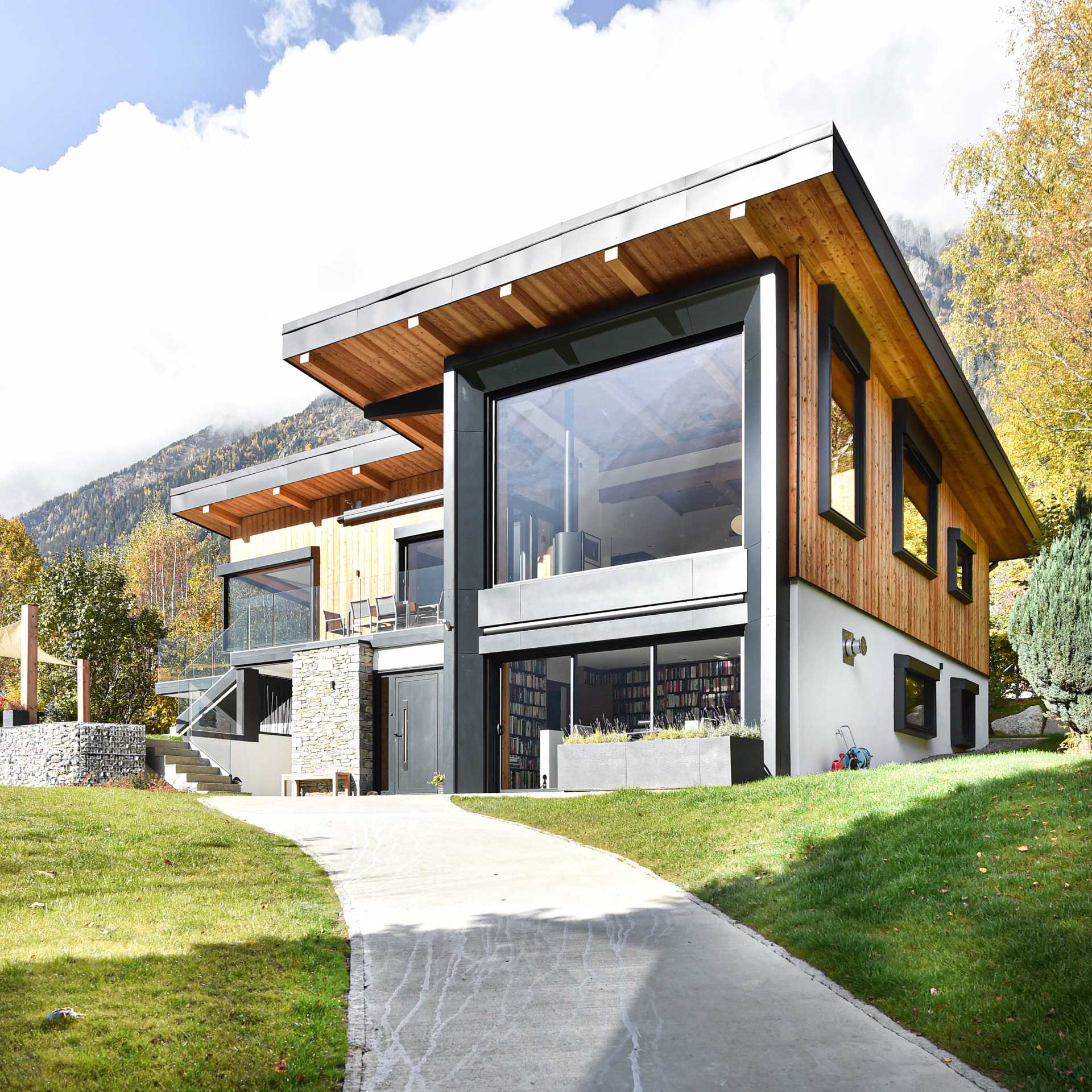
The Framing of Views: Creating Living Art
Large windows act as living canvases, framing breathtaking vistas and transforming them into dynamic works of art. Whether overlooking a verdant garden, a tranquil lake, or a bustling cityscape, these windows infuse the interior with a constantly changing backdrop. The strategic placement of windows becomes crucial, dictating the composition of these visual narratives. Architects meticulously consider the orientation of the house, the surrounding topography, and the desired views to maximize the aesthetic impact.
The Play of Light and Shadow: Sculpting Interior Spaces
Natural light is a fundamental element of design, and large windows serve as conduits for its transformative power. The interplay of light and shadow creates depth, texture, and a sense of dynamism within the interior. Sunlight streaming through expansive glazing illuminates surfaces, highlights architectural details, and creates a warm, inviting atmosphere. The changing angles of light throughout the day imbue the space with a sense of time and rhythm.
The Illusion of Spaciousness: Expanding Perceived Boundaries
One of the most significant aesthetic benefits of large windows is their ability to expand the perceived size of a space. By blurring the lines between interior and exterior, they create a sense of continuity and openness. This is particularly valuable in smaller homes, where large windows can make a significant difference in creating a feeling of spaciousness and airiness.
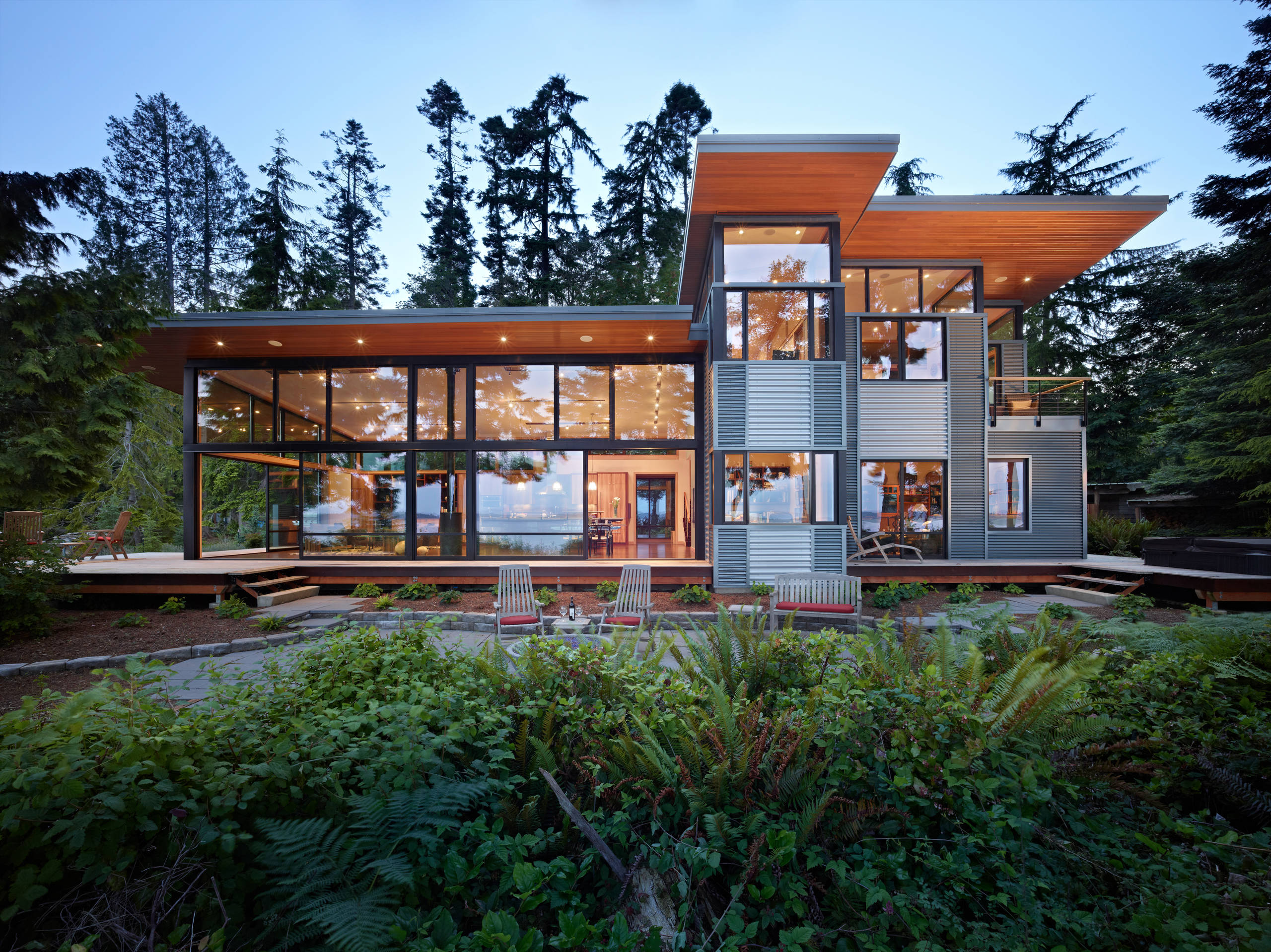
Maximizing Natural Light: Enhancing Well-being and Reducing Energy Consumption
Beyond their aesthetic appeal, large windows offer numerous practical advantages. The abundance of natural light they provide has been shown to improve mood, increase productivity, and enhance overall well-being. By reducing the need for artificial lighting, they also contribute to energy efficiency and sustainability.
Passive Solar Heating: Harnessing the Sun’s Energy
In colder climates, strategically placed large windows can serve as passive solar heating systems. By allowing sunlight to penetrate deep into the interior, they help to warm the space during the day, reducing the reliance on conventional heating methods. This approach to sustainable design aligns with the growing emphasis on environmentally conscious building practices.
Ventilation and Airflow: Promoting Healthy Indoor Environments
Large windows, especially those that are operable, play a crucial role in natural ventilation. By allowing fresh air to circulate throughout the house, they help to improve indoor air quality and create a healthier living environment. The ability to open windows wide also fosters a stronger connection with the outdoors, allowing residents to enjoy the sights, sounds, and scents of nature.
Thermal Performance and Glazing Technology: Addressing Energy Efficiency
While large windows offer numerous benefits, they can also pose challenges in terms of thermal performance. Advancements in glazing technology have addressed these concerns, offering high-performance glass that minimizes heat loss in winter and heat gain in summer. Double- or triple-paned windows, low-E coatings, and argon or krypton gas fills are just a few examples of innovations that enhance the energy efficiency of large windows.
The Blurring of Boundaries: Redefining the Concept of Home
The integration of large windows in modern homes reflects a shift in our understanding of the concept of home. The traditional notion of a dwelling as a secure, enclosed space has been challenged by a desire for greater connectivity with the natural world. Large windows act as portals, inviting the outside in and blurring the boundaries between interior and exterior.
The Embrace of Transparency: A Reflection of Contemporary Values
The transparency afforded by large windows can be seen as a reflection of contemporary values, such as openness, honesty, and a desire for connection. In a world increasingly dominated by technology and virtual experiences, the ability to physically connect with the natural environment through large windows offers a sense of grounding and authenticity.
The Dialogue Between Architecture and Landscape: A Symbiotic Relationship
The design of a modern house with large windows is not simply about inserting a glass wall into a building. It’s about creating a harmonious dialogue between architecture and landscape. The windows act as mediators, facilitating a seamless transition between the built environment and the natural world. This symbiotic relationship enriches both the interior and exterior spaces, creating a sense of place and belonging.
The Evolution of Privacy: Rethinking Traditional Notions
The prevalence of large windows has also prompted a reevaluation of traditional notions of privacy. While some may perceive large windows as a compromise of privacy, others embrace them as a means of fostering a greater sense of connection with the community and the surrounding environment. The use of strategically placed landscaping, blinds, or curtains can help to balance the desire for openness with the need for privacy.
The future of large windows in modern homes is likely to be shaped by continued innovation in glazing technology and a growing emphasis on sustainability. Smart glass, which can adjust its transparency and thermal properties in response to changing conditions, is one example of emerging technology that holds great promise. Advances in solar glass, which can generate electricity from sunlight, offer another avenue for enhancing the energy efficiency of large windows.
Furthermore, the increasing use of recycled and sustainable materials in window manufacturing will contribute to a more environmentally responsible approach to building design. The integration of large windows with green building practices, such as rainwater harvesting and green roofs, will further enhance the sustainability of modern homes.
In conclusion, the grand window is more than just a functional element in the modern house. It’s a powerful architectural tool that shapes our experience of space, light, and nature. By embracing transparency, natural light, and a seamless connection with the outdoors, large windows contribute to a more enriching, sustainable, and fulfilling living environment. As technology and design continue to evolve, the expansive gaze offered by large windows will undoubtedly remain a defining feature of contemporary architecture.


