
“`html
Modern house and Building Movers: A Comprehensive Overview
Modern House and Building Movers: A Comprehensive Overview
The movement of houses and buildings, once a spectacle of sheer brute force, has evolved into a sophisticated and precise engineering feat. Modern house and building movers utilize advanced technology and specialized equipment to relocate structures of varying sizes and complexities. This article delves into the intricacies of this fascinating industry, exploring the techniques, technologies, challenges, and future trends shaping the movement of architectural landmarks and residential homes.
The Evolution of Building Moving
Historically, moving structures was a labor-intensive process, relying on rudimentary tools and manpower. Ancient civilizations, such as the Egyptians, employed rollers and ramps to transport massive stones for their pyramids and temples. However, the modern era has witnessed a paradigm shift, driven by technological advancements and the increasing need to preserve historical structures or adapt to changing urban landscapes.
Early Innovations
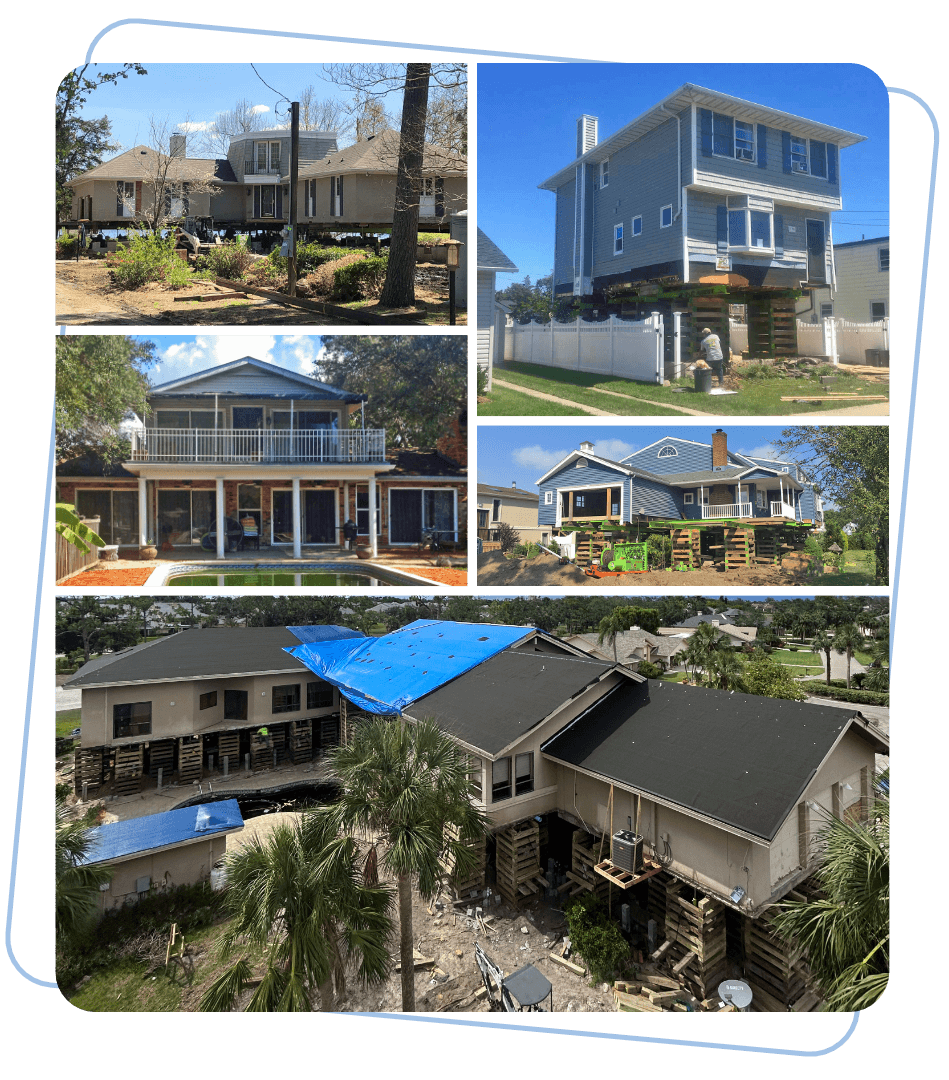
The late 19th and early 20th centuries saw the emergence of specialized equipment, including screw jacks, dollies, and steel beams, which enabled the movement of larger and heavier structures. These early innovations laid the foundation for the sophisticated techniques employed today.
The Rise of Hydraulic Systems
The introduction of hydraulic systems revolutionized the industry, providing greater lifting capacity and precise control. Hydraulic jacks, capable of lifting hundreds of tons, became indispensable tools for raising and leveling buildings. These systems allowed movers to handle structures with unprecedented precision and safety.
Modern Techniques and Technologies

Today, house and building movers employ a diverse range of techniques and technologies, tailored to the specific requirements of each project.
Unified Hydraulic Jacking Systems
Modern movers utilize unified hydraulic jacking systems, which synchronize the lifting of multiple jacks. This ensures even weight distribution and prevents structural damage. These systems are often computer-controlled, allowing for precise adjustments and real-time monitoring.
Specialized Dollies and Transporters

Heavy-duty dollies and transporters, equipped with pneumatic or solid tires, facilitate the horizontal movement of structures. These vehicles can be customized to accommodate various building sizes and weights, and some are even self-propelled, enabling precise maneuvering in tight spaces.
Steel Beam and Cribbing Systems
Steel beams and cribbing systems provide temporary support for the building during the moving process. Steel beams are inserted beneath the structure, creating a stable platform. Cribbing, which consists of stacked timber or steel blocks, is used to raise and level the building incrementally.
GPS and Laser Leveling
GPS technology and laser leveling systems ensure precise positioning and alignment during the move. GPS is used to determine the exact coordinates of the new location, while laser leveling systems monitor the building’s elevation and tilt, ensuring it remains level throughout the process.
3D Scanning and Modeling
3D scanning and modeling are increasingly used to create detailed digital representations of the building and its surroundings. This information is crucial for planning the move, identifying potential obstacles, and ensuring a smooth and efficient process.
The Moving Process: A Step-by-Step Guide
The process of moving a house or building involves meticulous planning and execution. Here’s a general overview of the steps involved:
Initial Assessment and Planning
The first step is to conduct a thorough assessment of the building’s structural integrity, size, and weight. This assessment informs the development of a detailed moving plan, which includes the route, equipment requirements, and safety protocols. Permits must be obtained from local authorities, and utility lines must be disconnected or relocated.
Foundation Preparation
The existing foundation is typically removed or modified to accommodate the insertion of steel beams. A new foundation is prepared at the destination site, ensuring it meets the structural requirements of the building.
Building Lifting and Stabilization
Hydraulic jacks are used to lift the building incrementally, allowing for the insertion of steel beams and cribbing. The building is carefully leveled and stabilized on the support system.
Horizontal Movement
Once the building is lifted and stabilized, it is moved horizontally using dollies or transporters. The route is carefully planned to avoid obstacles, and traffic management measures are implemented as needed.
Lowering and Final Positioning
Upon reaching the destination site, the building is carefully lowered onto the new foundation. Laser leveling systems ensure precise positioning and alignment. The support system is then removed, and the building is secured to the foundation.
Utility Reconnections and Finishing
Utility lines, such as water, gas, and electricity, are reconnected. The surrounding landscape is restored, and any necessary finishing touches are completed.
Challenges and Considerations
Moving a house or building presents numerous challenges, requiring meticulous planning and execution.
Structural Integrity
Ensuring the structural integrity of the building during the move is paramount. A thorough assessment is conducted to identify any weaknesses or vulnerabilities. Reinforcements may be necessary to prevent damage.
Obstacles and Terrain
Navigating obstacles, such as trees, power lines, and uneven terrain, requires careful planning and precise maneuvering. The route must be carefully surveyed to identify potential challenges.
Weather Conditions
Adverse weather conditions, such as high winds or heavy rain, can pose significant challenges. Moving operations may need to be postponed or adjusted to ensure safety.
Regulatory Compliance
Obtaining permits and complying with local regulations is essential. This process can be complex and time-consuming, requiring coordination with various authorities.
Cost and Time
Moving a house or building can be a costly and time-consuming undertaking. Factors such as the size and weight of the building, the distance of the move, and the complexity of the project can affect the overall cost and timeline.
Applications of Building Moving
Building moving serves a variety of purposes, ranging from preserving historical structures to adapting to changing urban landscapes.
Historical Preservation
Moving historical buildings allows for their preservation and relocation to more suitable sites. This helps to protect architectural landmarks and cultural heritage.
Flood Mitigation
In flood-prone areas, raising or relocating buildings can help mitigate flood damage. This is a crucial strategy for protecting homes and businesses from rising water levels.
Land Development
Moving buildings can facilitate land development by creating space for new construction or infrastructure projects. This can be particularly beneficial in densely populated areas.
Adaptation and Reuse
Moving buildings allows for their adaptation and reuse for different purposes. This can help to extend the lifespan of structures and reduce waste.
Future Trends in Building Moving
The future of building moving is likely to be shaped by ongoing technological advancements and evolving societal needs.
Automation and Robotics
Automation and robotics are likely to play an increasingly important role in building moving. Automated systems can enhance precision, efficiency, and safety.
Sustainable Practices
Sustainable practices, such as the use of recycled materials and energy-efficient equipment, are becoming increasingly important. Building moving can contribute to sustainability by reducing waste and promoting the reuse of existing structures.
Advanced Materials and Techniques
The development of advanced materials and techniques, such as lightweight composite materials and modular construction, could revolutionize the industry. These innovations can make building moving more efficient and cost-effective.
Digital Twins and Virtual Reality
Digital twins and virtual reality (VR) technologies can be used to simulate and optimize moving operations. This can help to identify potential challenges and improve planning and execution.
Conclusion
Modern house and building movers represent a remarkable blend of engineering ingenuity and technological innovation. Their ability to relocate structures of varying sizes and complexities is a testament to the advancements in hydraulic systems, specialized equipment, and digital technologies. As urban landscapes continue to evolve and the need for historical preservation and sustainable practices grows, the role of building movers will become increasingly important. By embracing new technologies and adapting to changing needs, the industry can ensure the safe and efficient movement of architectural landmarks and residential homes for generations to come.
“`


