
“`html
Modern Xhosa houses: A Blend of Tradition and Contemporary Design
Modern Xhosa Houses: A Blend of Tradition and Contemporary Design
The landscape of South African architecture is a rich tapestry woven from diverse cultural threads. Among these, the Xhosa people, with their deep-rooted traditions and evolving aspirations, have significantly shaped the residential architecture of the Eastern Cape and beyond. Modern Xhosa houses are not merely dwellings; they are expressions of identity, reflections of social change, and testaments to the harmonious integration of ancestral wisdom with contemporary design principles. This article delves into the intricate details of these homes, exploring their evolution, key features, and the cultural significance they hold.
The Evolution of Xhosa Housing: From Traditional Kraals to Modern Homes
Historically, Xhosa homesteads, known as “imizi,” were characterized by circular kraals, consisting of round huts (rondavels) made from wattle and daub, with thatched roofs. These structures were strategically arranged to reflect the social hierarchy and family structure, with the “inkulu” (head of the household) occupying the most prominent position. The central kraal, “isibaya,” served as a communal space for livestock and gatherings, reinforcing the importance of community and agriculture in Xhosa life.

However, as South Africa underwent urbanization and modernization, Xhosa housing underwent a significant transformation. The need for more durable, spacious, and comfortable dwellings, coupled with the influence of Western architectural styles, led to the adoption of rectangular brick and mortar houses with corrugated iron or tile roofs. While these modern homes diverged from the traditional rondavel in form, they often retained elements of Xhosa culture in their layout and decorative features.
Key Features of Modern Xhosa Houses
Spatial Organization and Layout
Modern Xhosa homes often incorporate elements of the traditional kraal layout, albeit in a more adapted form. The concept of communal space remains significant, with open-plan living areas designed to facilitate family gatherings and social interactions. The placement of the main house and surrounding structures often reflects the importance of familial relationships and social hierarchy. Even in suburban settings, the arrangement of rooms and outdoor spaces can reflect an underlying traditional framework.
Building Materials and Construction Techniques
While traditional materials like wattle and daub have largely been replaced by brick, concrete, and steel, there is a growing interest in incorporating sustainable and locally sourced materials. Modern Xhosa homes may feature natural stone accents, rammed earth walls, or timber elements, reflecting a renewed appreciation for traditional building practices. The use of corrugated iron roofs, while initially adopted for its practicality, has become a distinctive feature of many rural and peri-urban Xhosa homes.
Decorative Elements and Cultural Symbolism
Despite the shift towards modern construction, Xhosa homes often retain vibrant decorative elements that reflect cultural identity. Painted murals, geometric patterns, and traditional beadwork designs are frequently incorporated into the exterior and interior of homes. These decorations may depict ancestral symbols, clan totems, or scenes from daily life, serving as visual reminders of Xhosa heritage. Furthermore, the use of bright, contrasting colors, such as ochre, blue, and white, adds a distinctive aesthetic appeal to these homes.
Outdoor Spaces and Gardens
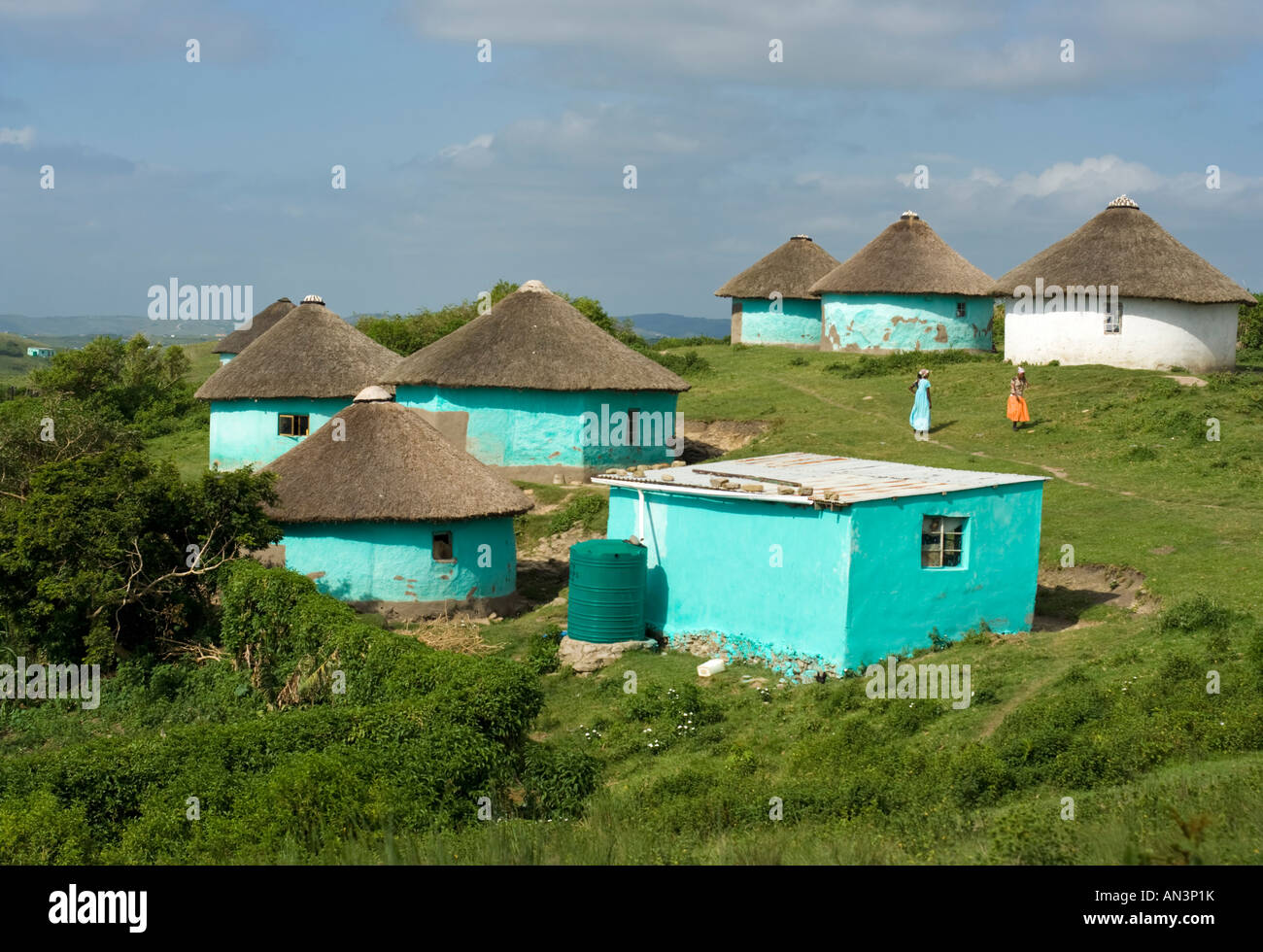
The importance of outdoor spaces in Xhosa culture is reflected in the design of modern homes. Gardens and courtyards serve as extensions of the living area, providing spaces for social gatherings, traditional ceremonies, and agricultural activities. The incorporation of indigenous plants and trees not only enhances the aesthetic appeal of these spaces but also reinforces the connection to nature and ancestral lands. Many modern Xhosa homes still have designated areas for livestock or poultry, highlighting the enduring importance of agriculture in the community.
Integration of Modern Amenities
Modern Xhosa homes are increasingly incorporating modern amenities, such as electricity, running water, and internet connectivity, to enhance the quality of life. Solar panels and rainwater harvesting systems are also becoming more common, reflecting a growing awareness of environmental sustainability. The integration of these amenities allows for a comfortable and convenient lifestyle while preserving the cultural identity of the home.
Cultural Significance and Social Implications
Reflection of Identity and Belonging
Modern Xhosa homes serve as powerful symbols of identity and belonging, reflecting the cultural values and aspirations of their inhabitants. The design and decoration of these homes are often influenced by family traditions, clan affiliations, and personal preferences, creating a sense of individuality within a shared cultural context. The ability to express cultural identity through architecture is particularly important for Xhosa people living in urban areas, where they may feel disconnected from their ancestral roots.
Social Status and Economic Mobility
The construction of a modern Xhosa home can signify social status and economic mobility. The ability to afford a well-built and aesthetically pleasing home reflects the success and prosperity of the family. Modern homes often serve as venues for social gatherings, traditional ceremonies, and community events, reinforcing the social standing of the homeowner. The investment in a modern home is also seen as a long-term investment in the family’s future, providing a secure and comfortable living environment for generations to come.
Preservation of Cultural Heritage
Modern Xhosa homes play a crucial role in preserving and transmitting cultural heritage. By incorporating traditional design elements, decorative motifs, and spatial arrangements, these homes ensure that ancestral knowledge and cultural practices are passed down to future generations. The use of indigenous materials and construction techniques also contributes to the preservation of traditional skills and craftsmanship. Furthermore, the act of building and maintaining a home becomes a communal activity, strengthening social bonds and reinforcing cultural values.
Addressing Housing Challenges
Despite the progress made in modernizing Xhosa housing, many communities still face significant housing challenges. Overcrowding, inadequate infrastructure, and limited access to resources are common issues, particularly in rural and peri-urban areas. Addressing these challenges requires a collaborative effort from government agencies, community organizations, and private sector stakeholders. Sustainable and culturally sensitive housing solutions are needed to ensure that all Xhosa people have access to safe, secure, and dignified living environments.
The Future of Xhosa Housing: Innovation and Sustainability
The future of Xhosa housing lies in the continued integration of traditional knowledge with innovative design and sustainable practices. There is a growing movement towards eco-friendly construction, utilizing locally sourced materials and renewable energy sources. Architects and designers are exploring new ways to incorporate traditional design elements into modern homes, creating unique and culturally relevant living spaces. The use of digital technologies, such as 3D printing and computer-aided design, is also opening up new possibilities for affordable and customizable housing solutions.
Furthermore, community-led initiatives and participatory design processes are playing a crucial role in ensuring that housing projects are aligned with the needs and aspirations of local residents. By empowering communities to take ownership of their housing development, it is possible to create sustainable and culturally vibrant living environments that reflect the unique identity of the Xhosa people. The future of Xhosa housing is not merely about building houses; it is about creating homes that embody the spirit of “ubuntu” – the interconnectedness and humanity that defines Xhosa culture.
In conclusion, modern Xhosa houses are a testament to the resilience and adaptability of the Xhosa people. They represent a harmonious blend of tradition and modernity, reflecting the evolving aspirations of a dynamic culture. By preserving ancestral knowledge and embracing innovative design, Xhosa communities are creating living spaces that are both culturally meaningful and environmentally sustainable, ensuring that their heritage continues to thrive for generations to come.
“`


