
The Enduring Appeal of the Modern Wooden house: A Symphony of Nature and Design
The modern wooden house, a structure that elegantly marries the organic beauty of timber with contemporary architectural principles, stands as a testament to the enduring human desire for a dwelling that is both aesthetically pleasing and deeply connected to nature. In a world increasingly dominated by concrete and steel, the warmth and tactile quality of wood offer a refreshing counterpoint, creating spaces that are not just homes, but sanctuaries. This exploration delves into the multifaceted aspects of the modern wooden house, examining its design philosophies, material choices, construction techniques, and the profound impact it has on our lives.
Embracing Natural Materials and Sustainability
Modern wooden architecture is fundamentally rooted in a philosophy that prioritizes natural materials and sustainable practices. The inherent renewability of wood, when sourced responsibly, makes it a compelling choice for environmentally conscious builders. This approach extends beyond the material itself, encompassing energy efficiency, passive solar design, and the integration of the house with its surrounding landscape.
Simplicity and Functionality
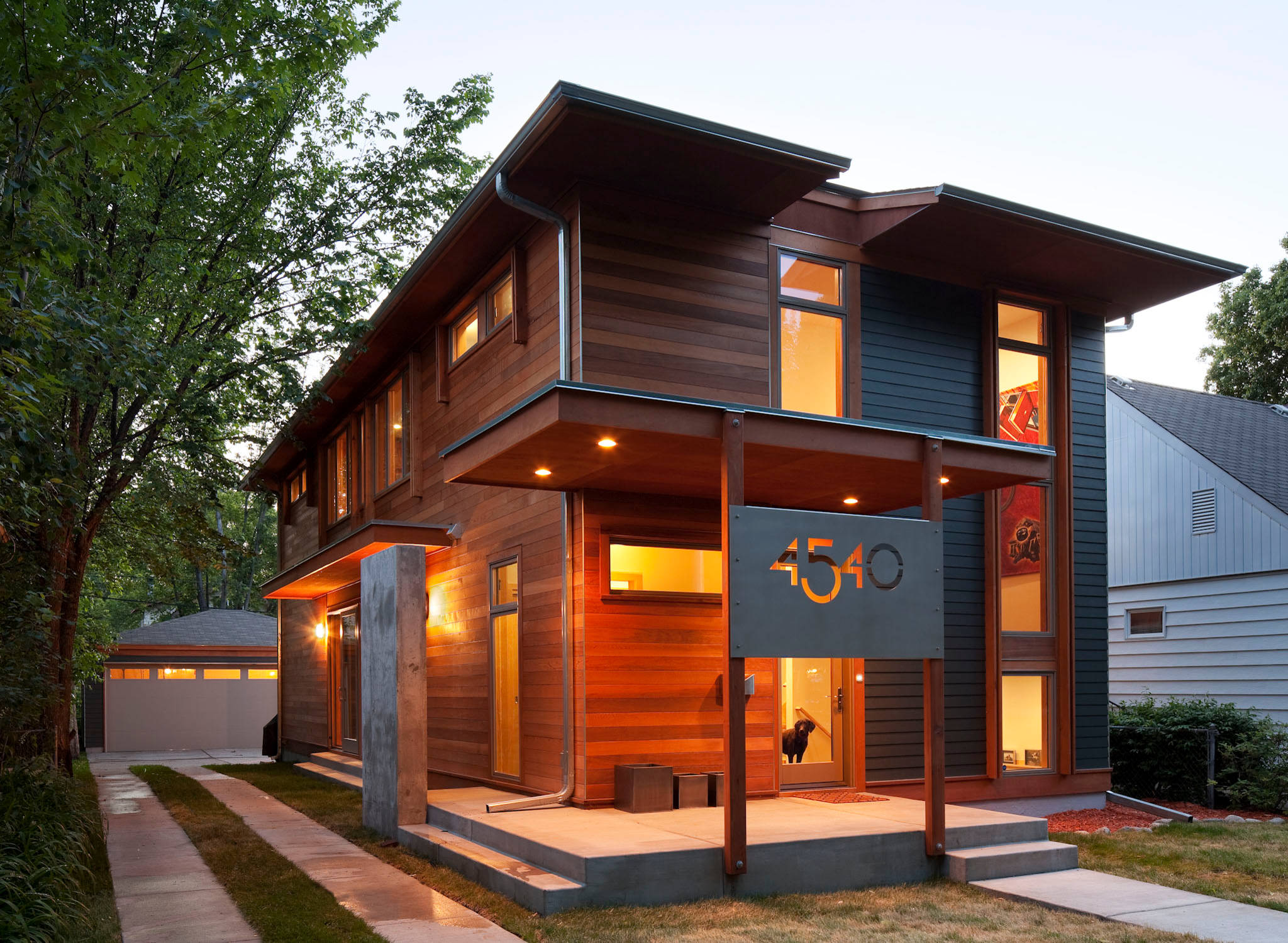
Drawing inspiration from modernist ideals, modern wooden houses emphasize simplicity, functionality, and the elimination of unnecessary ornamentation. Clean lines, open floor plans, and a focus on natural light are hallmarks of this design approach, creating spaces that are both visually appealing and highly practical.
Connection to Nature
Perhaps the most compelling aspect of the modern wooden house is its ability to foster a deep connection to nature. Large windows, expansive decks, and seamless transitions between indoor and outdoor spaces blur the boundaries between the built environment and the natural world. The use of natural wood finishes further enhances this connection, bringing the warmth and texture of the forest into the home.
Engineered Wood: Strength and Versatility
Engineered wood products, such as cross-laminated timber (CLT) and glued laminated timber (glulam), have revolutionized modern wooden construction. These materials offer exceptional strength, stability, and versatility, allowing for the creation of complex and innovative architectural forms. CLT, in particular, has gained popularity for its ability to create large, prefabricated panels that can be rapidly assembled on-site, reducing construction time and waste.
Solid Timber: Timeless Elegance
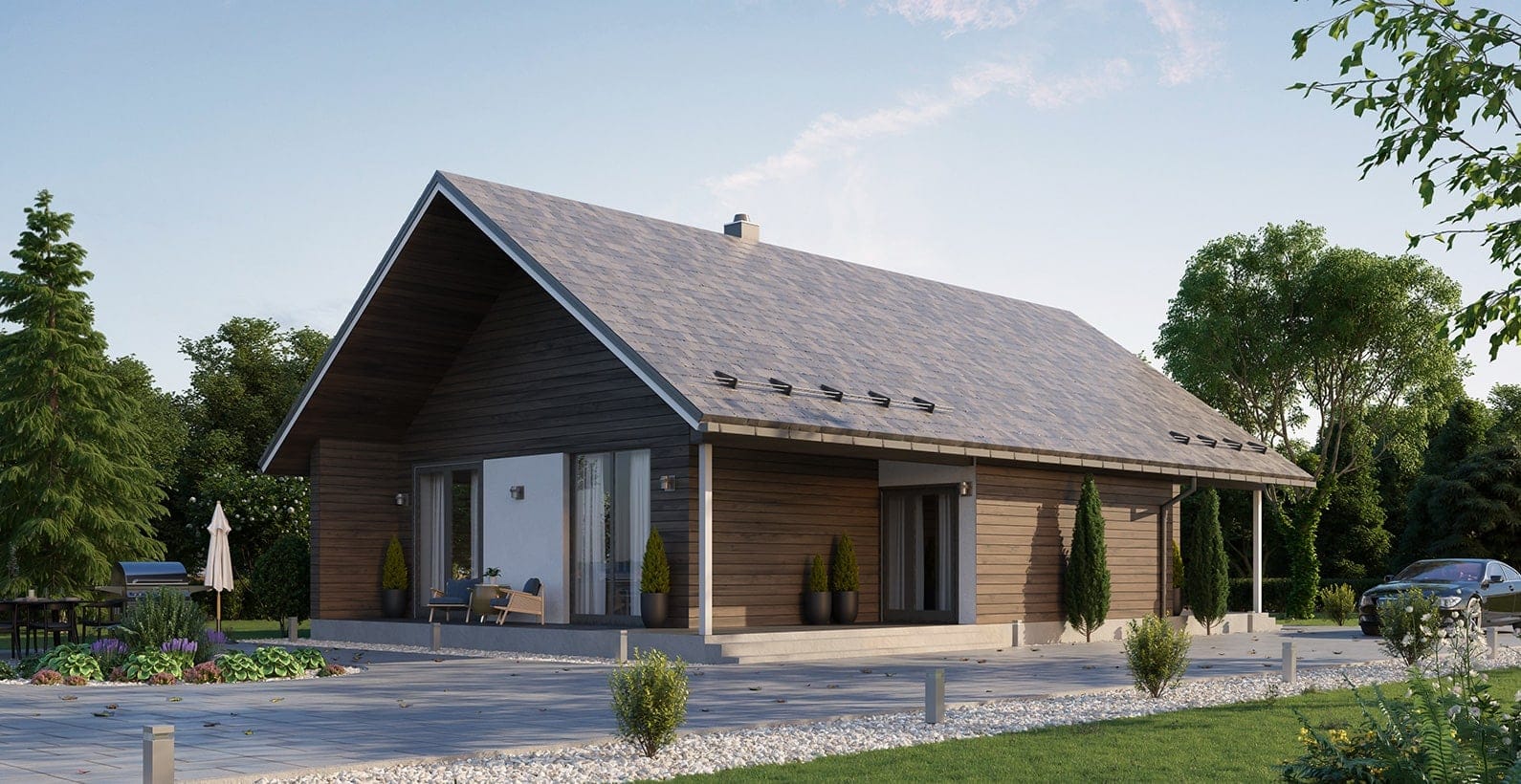
Solid timber, with its rich grain patterns and natural warmth, remains a cherished material for modern wooden houses. Species like Douglas fir, cedar, and oak are prized for their durability, beauty, and resistance to decay. Solid timber can be used for structural elements, cladding, interior finishes, and custom millwork, adding a touch of timeless elegance to any space.
Sustainable Sourcing: Responsible Forestry
The environmental impact of a wooden house is directly tied to the sourcing of its timber. Sustainable forestry practices, such as those certified by the Forest Stewardship Council (FSC), ensure that forests are managed responsibly, protecting biodiversity and ecosystem health. Choosing sustainably sourced timber is a crucial step in creating a truly eco-friendly home.
Prefabrication: Efficiency and Quality Control
Prefabrication plays a significant role in modern wooden construction, allowing for the off-site fabrication of building components in a controlled factory environment. This approach offers numerous advantages, including increased efficiency, reduced waste, improved quality control, and faster on-site assembly.
Hybrid Construction: Combining Materials for Optimal Performance
Modern wooden houses often employ hybrid construction techniques, combining wood with other materials like steel, concrete, and glass to achieve optimal performance. This approach allows for the creation of structures that are both strong and visually appealing, leveraging the unique properties of each material.
Advanced Joinery: Precision and Durability
Advanced joinery techniques, such as CNC-machined connections and pre-stressed timber systems, ensure the precision and durability of modern wooden structures. These techniques allow for the creation of complex and intricate connections that are both strong and visually appealing.
Open Floor Plans: Maximizing Space and Light
Open floor plans are a hallmark of modern wooden houses, creating spacious and airy interiors that are conducive to both relaxation and social interaction. This design approach maximizes natural light and fosters a sense of connection between different living areas.
Large Windows and Skylights: Bringing the Outdoors In
Large windows and skylights are strategically placed to capture natural light and offer panoramic views of the surrounding landscape. This design element blurs the boundaries between indoor and outdoor spaces, creating a seamless connection to nature.
Natural Finishes: Enhancing the Beauty of Wood
Natural wood finishes, such as oils and waxes, are used to enhance the beauty of the timber while protecting it from the elements. These finishes allow the natural grain patterns and textures of the wood to shine through, adding warmth and character to the interior spaces.
Integration with the Landscape: Harmonious Living
Modern wooden houses are often designed to integrate seamlessly with their surrounding landscape. This can be achieved through the use of natural materials, the incorporation of native plants, and the creation of outdoor living spaces that extend the living area beyond the walls of the house.
Well-being and Comfort: A Sense of Sanctuary
The natural warmth and tactile quality of wood create a sense of well-being and comfort, making modern wooden houses feel like true sanctuaries. Studies have shown that living in a wooden environment can reduce stress, improve sleep, and enhance overall health.
Sustainability and Environmental Responsibility: Living in Harmony with Nature
Modern wooden houses embody a commitment to sustainability and environmental responsibility. By choosing responsibly sourced timber and incorporating energy-efficient design features, homeowners can reduce their carbon footprint and live in harmony with nature.
Aesthetic Appeal and Timeless Design: Enduring Beauty
The timeless beauty of wood and the clean lines of modern design create homes that are both aesthetically pleasing and enduring. Modern wooden houses offer a unique blend of natural warmth and contemporary style, making them a compelling choice for discerning homeowners.
Community and Connection: Fostering a Sense of Belonging
Modern wooden houses can foster a sense of community and connection, both within the home and with the surrounding neighborhood. Open floor plans and shared outdoor spaces encourage interaction and create a welcoming atmosphere.
In conclusion, the modern wooden house represents a harmonious blend of nature, design, and sustainability. It offers a unique living experience that is both aesthetically pleasing and deeply connected to the natural world. As we continue to seek ways to create homes that are both beautiful and environmentally responsible, the modern wooden house stands as a compelling model for the future of residential architecture.


