
Framing the Light: A Deep Dive into Modern Window Design
Modern architecture, with its emphasis on clean lines, open spaces, and natural light, places significant importance on window design. Windows are no longer mere openings; they are integral components that shape the aesthetic, functionality, and energy efficiency of a contemporary home. This exploration delves into the multifaceted world of modern window design, examining prevalent styles, materials, and technological advancements that are redefining how we perceive and interact with our living spaces.
Modern design often champions minimalism, and windows are no exception. The goal is to maximize glass surface area while minimizing visible framing, creating a seamless transition between indoor and outdoor environments.
Floor-to-Ceiling Windows: Dramatic Expanses of Light
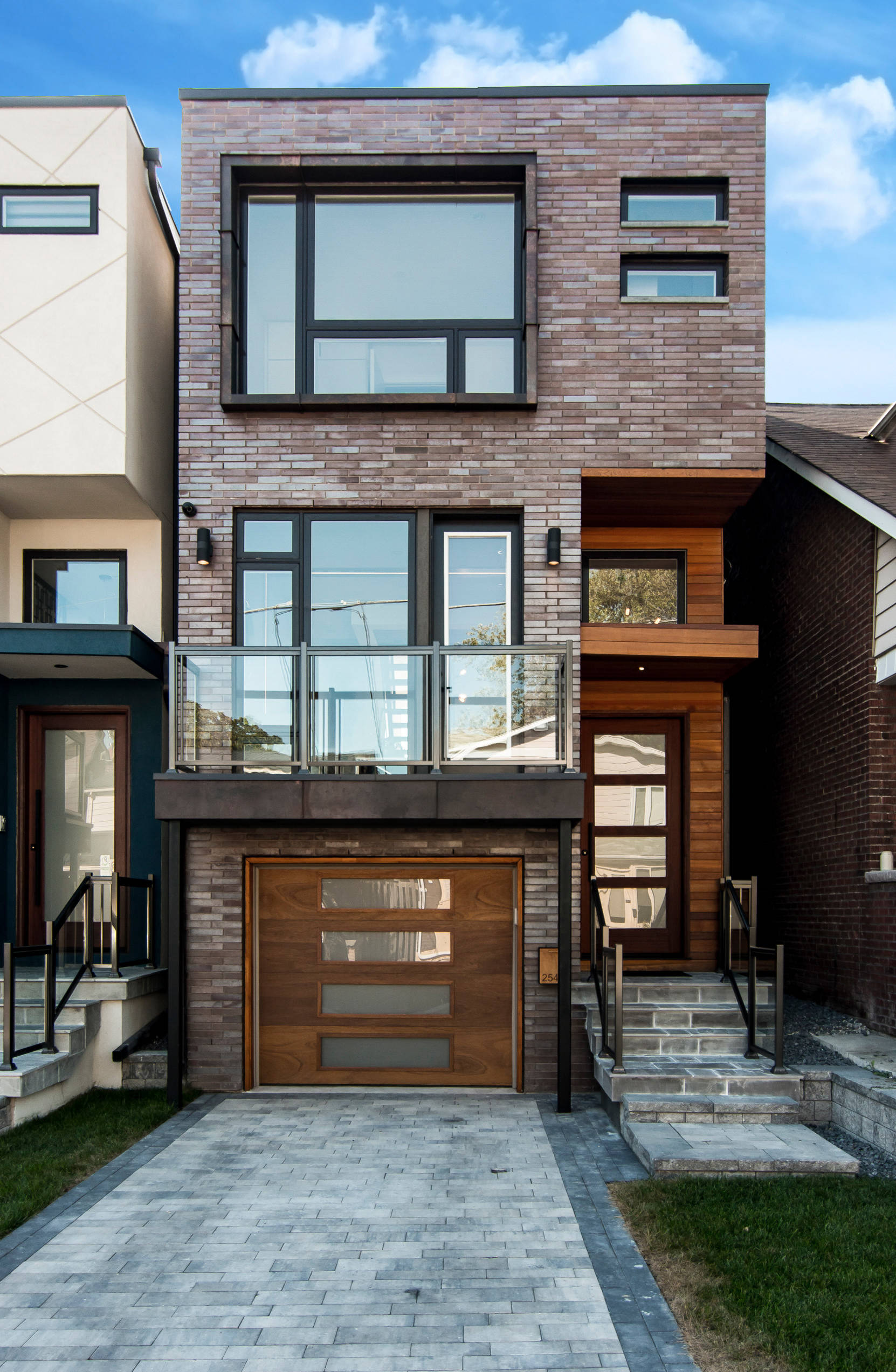
These expansive windows, stretching from floor to ceiling, are a hallmark of modern architecture. They flood interiors with natural light, offering unobstructed panoramic views. Their sheer scale creates a sense of openness and connection to the surrounding landscape, blurring the lines between inside and out. However, careful consideration of solar heat gain and privacy is crucial.
Slim-Profile Frames: Emphasizing the View
Modern window frames are designed to be as unobtrusive as possible. Aluminum and fiberglass are popular choices due to their strength and durability, allowing for slimmer profiles than traditional wood. These slim frames prioritize the view, allowing the glass to take center stage.
Corner Windows: Seamless Transitions and Architectural Interest
Corner windows, where two glass panels meet at a corner without a visible frame, are a striking architectural feature. They create a sense of continuity and transparency, offering unique perspectives and maximizing natural light penetration.
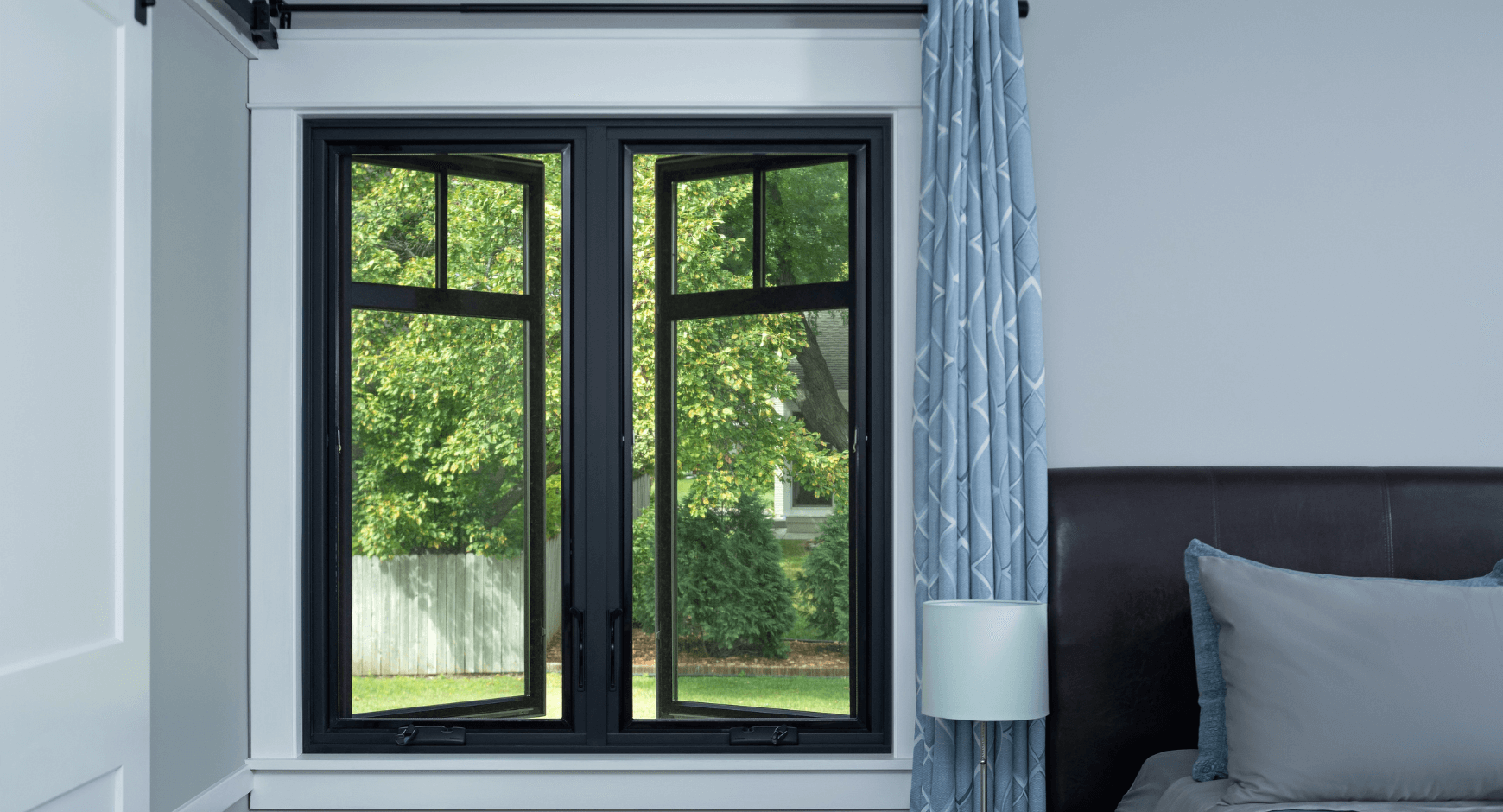
Modern window design isn’t just about looks; it’s also about optimizing performance and functionality.
Operable Windows: Ventilation and Airflow
While large fixed windows are prevalent, operable windows are essential for ventilation. Casement windows, awning windows, and sliding windows are popular choices, offering different modes of airflow and ease of operation.
Integrated Shading Solutions: Controlling Light and Privacy
Modern windows often incorporate integrated shading solutions, such as motorized blinds, shades, or smart glass. These systems allow for precise control of light and privacy, enhancing comfort and energy efficiency.
Energy-Efficient Glazing: Optimizing Thermal Performance
High-performance glazing is crucial for maintaining comfortable indoor temperatures and reducing energy consumption. Double or triple-paned windows with low-E coatings and argon or krypton gas fills minimize heat transfer, improving insulation and reducing energy costs.
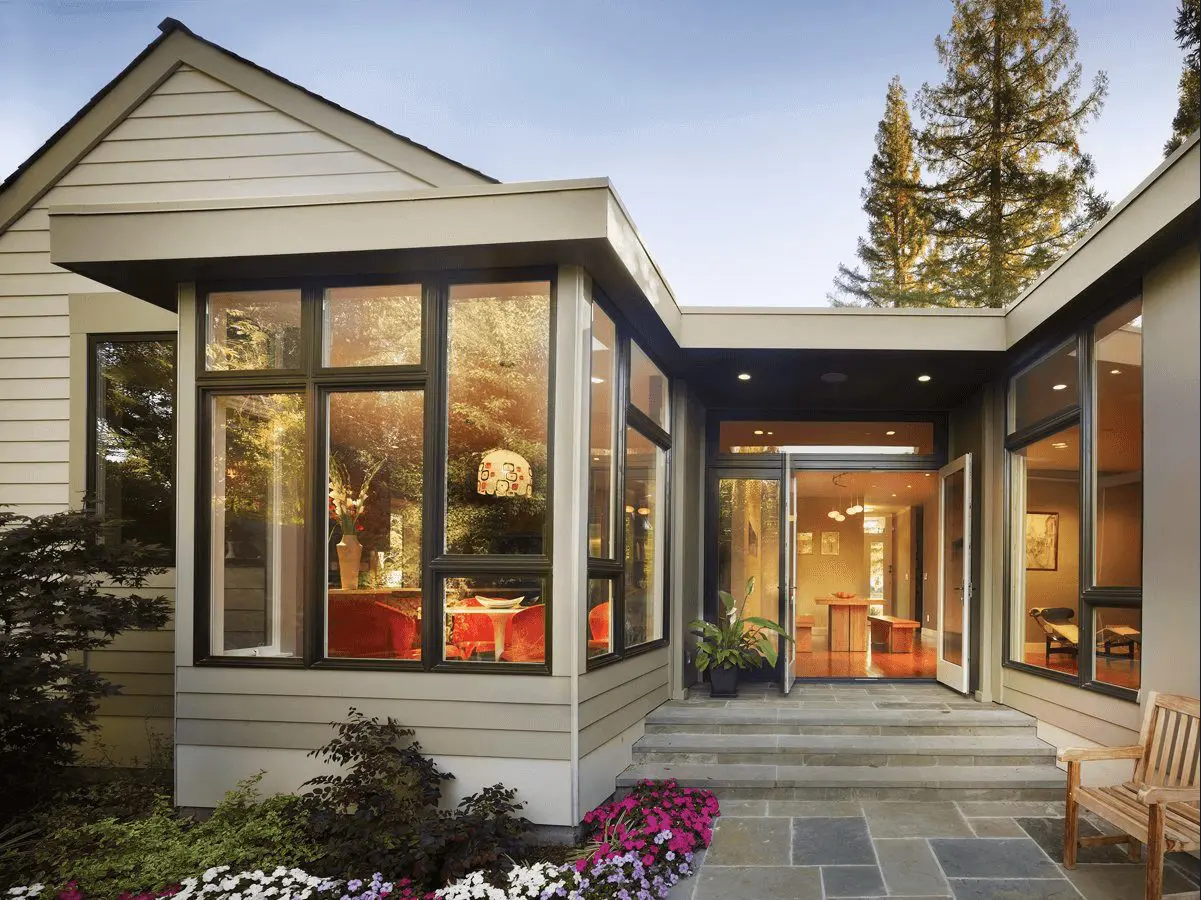
The choice of window frame material significantly impacts the aesthetic, durability, and performance of a modern window.
Aluminum Frames: Sleek, Strong, and Durable
Aluminum is a popular choice for modern windows due to its strength, durability, and corrosion resistance. It allows for slim profiles and can be finished in a variety of colors and textures. However, aluminum is a good conductor of heat, so thermal breaks are essential for energy efficiency.
Fiberglass Frames: Low Maintenance and Energy Efficient
Fiberglass frames offer a balance of strength, durability, and energy efficiency. They are resistant to rot, warping, and insect damage, and their low thermal conductivity makes them ideal for energy-efficient homes.
Wood Frames: Natural Warmth and Timeless Appeal
While less common in minimalist designs, wood frames can add a touch of warmth and natural beauty to modern homes. Modern wood windows often feature engineered wood or laminated veneer lumber (LVL) for increased stability and durability.
Vinyl Frames: Cost-Effective and Low Maintenance
Vinyl frames are a budget-friendly option, offering low maintenance and good insulation. However, they may not be as aesthetically versatile as other materials and can be prone to fading or warping in extreme climates.
Technological advancements are revolutionizing window design, offering new possibilities for comfort, convenience, and energy efficiency.
Smart Glass: Dynamic Control of Light and Privacy
Smart glass, also known as electrochromic glass, allows for dynamic control of light and privacy. By applying a low-voltage electrical current, the glass can be tinted or darkened, reducing glare and heat gain.
Automated Window Systems: Integration with Smart Home Technology
Automated window systems allow for remote control of window operation, shading, and ventilation. These systems can be integrated with smart home technology, allowing for automated adjustments based on weather conditions, time of day, or user preferences.
Integrated Sensors: Monitoring Indoor and Outdoor Conditions
Integrated sensors can monitor indoor and outdoor conditions, such as temperature, humidity, and sunlight, providing data for automated window systems and smart home controls.
Choosing the right windows for a modern home requires careful consideration of various factors, including architectural style, climate, and personal preferences.
Architectural Style: Harmonizing with the Overall Design
Windows should complement the overall architectural style of the home, whether it’s minimalist, mid-century modern, or contemporary.
Climate Considerations: Optimizing Energy Efficiency
Climate plays a significant role in window selection. In hot climates, windows with low solar heat gain coefficients (SHGC) are essential. In cold climates, windows with high R-values are crucial for insulation.
Privacy and Security: Balancing Openness and Protection
Modern homes often prioritize openness and natural light, but privacy and security are also important considerations. Window placement, glazing options, and shading solutions can help balance these needs.
Budget and Value: Investing in Quality and Performance
Window selection should balance budget considerations with long-term value. Investing in high-quality, energy-efficient windows can reduce energy costs and enhance the overall comfort and value of the home.
The future of modern window design will likely focus on sustainability and innovation, with a continued emphasis on energy efficiency, smart technology, and eco-friendly materials.
Sustainable Materials: Reducing Environmental Impact
The use of sustainable materials, such as recycled aluminum, sustainably harvested wood, and bio-based polymers, will become increasingly important.
Advanced Glazing Technologies: Enhancing Performance and Functionality
Advanced glazing technologies, such as vacuum insulated glazing (VIG) and dynamic liquid crystal glazing, will offer even greater energy efficiency and functionality.
Integration with Building-Integrated Photovoltaics (BIPV): Generating Renewable Energy
Integrating windows with building-integrated photovoltaics (BIPV) will allow homes to generate renewable energy, further reducing their environmental footprint.
Biophilic Design: Connecting with Nature
Biophilic design principles, which emphasize the connection between humans and nature, will continue to influence window design, prioritizing natural light, views, and ventilation.
Modern window design is a dynamic and evolving field, driven by technological advancements, sustainability concerns, and a desire to create comfortable, functional, and aesthetically pleasing living spaces. By carefully considering the various factors discussed, homeowners can choose windows that not only enhance the beauty of their modern homes but also contribute to a more sustainable and enjoyable lifestyle.


