
The Enduring Charm vs. Modern Efficiency: A Deep Dive into Traditional and Modern houses
The dwelling place, a fundamental human need, has evolved dramatically throughout history. From the humble shelters of our ancestors to the architectural marvels of today, the concept of “home” reflects shifting societal values, technological advancements, and aesthetic preferences. At the heart of this evolution lies a persistent dichotomy: the enduring appeal of traditional houses versus the sleek efficiency of modern designs. This article will delve into the nuances of each style, exploring their defining characteristics, advantages, and disadvantages, and ultimately, examining how they shape our lives.
Defining the Styles: A Matter of Time and Philosophy
Before diving into the specifics, it’s crucial to define what we mean by “traditional” and “modern” houses. These terms are broad and encompass a wide range of sub-styles, but certain core principles distinguish them.

Traditional Houses: Echoes of the Past
Traditional houses, in essence, draw inspiration from historical architectural styles and regional building practices. They often reflect a connection to the past, emphasizing craftsmanship, natural materials, and a sense of place. This category includes a vast array of styles, from Victorian and Tudor to Colonial and Craftsman, each with its unique characteristics. Common threads include:
Emphasis on craftsmanship and detail: Intricate moldings, handcrafted woodwork, and decorative elements are hallmarks of traditional homes.
Modern Houses: Embracing Innovation and Simplicity
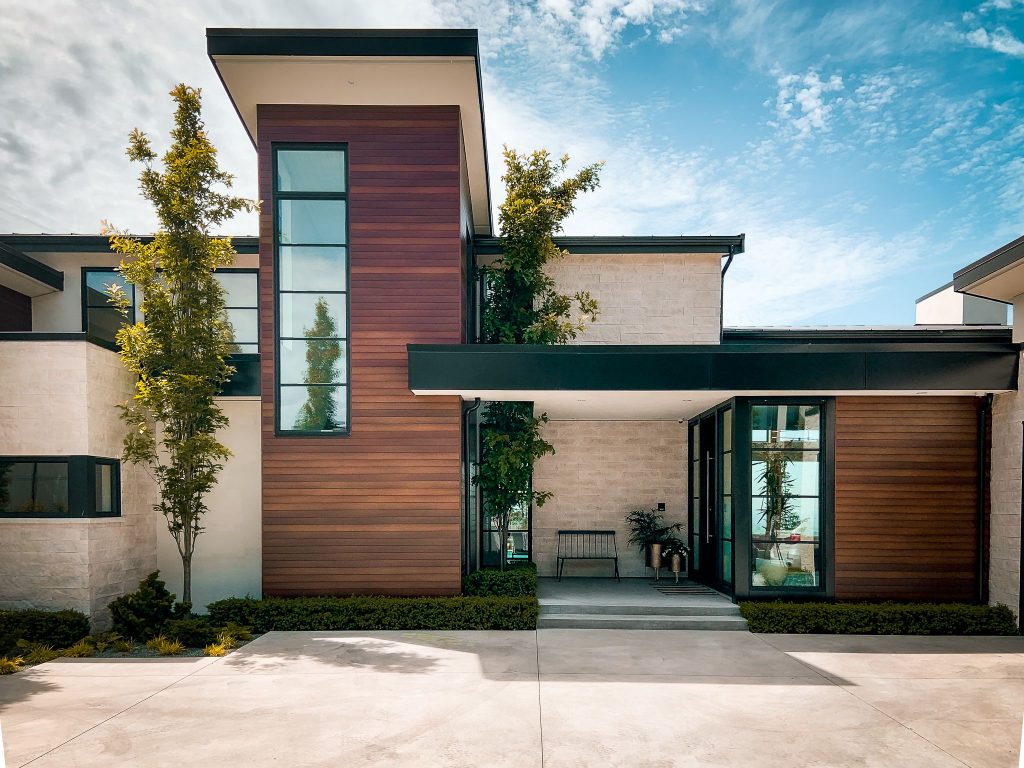
Modern houses, on the other hand, prioritize functionality, efficiency, and a clean, minimalist aesthetic. They embrace technological advancements and innovative materials, often rejecting historical ornamentation in favor of simplicity and clarity. Key characteristics include:
Open floor plans: Modern designs often feature open-concept living spaces that promote fluidity and flexibility.
The Advantages and Disadvantages: A Comparative Analysis
Both traditional and modern houses offer unique advantages and disadvantages, depending on individual preferences and priorities.
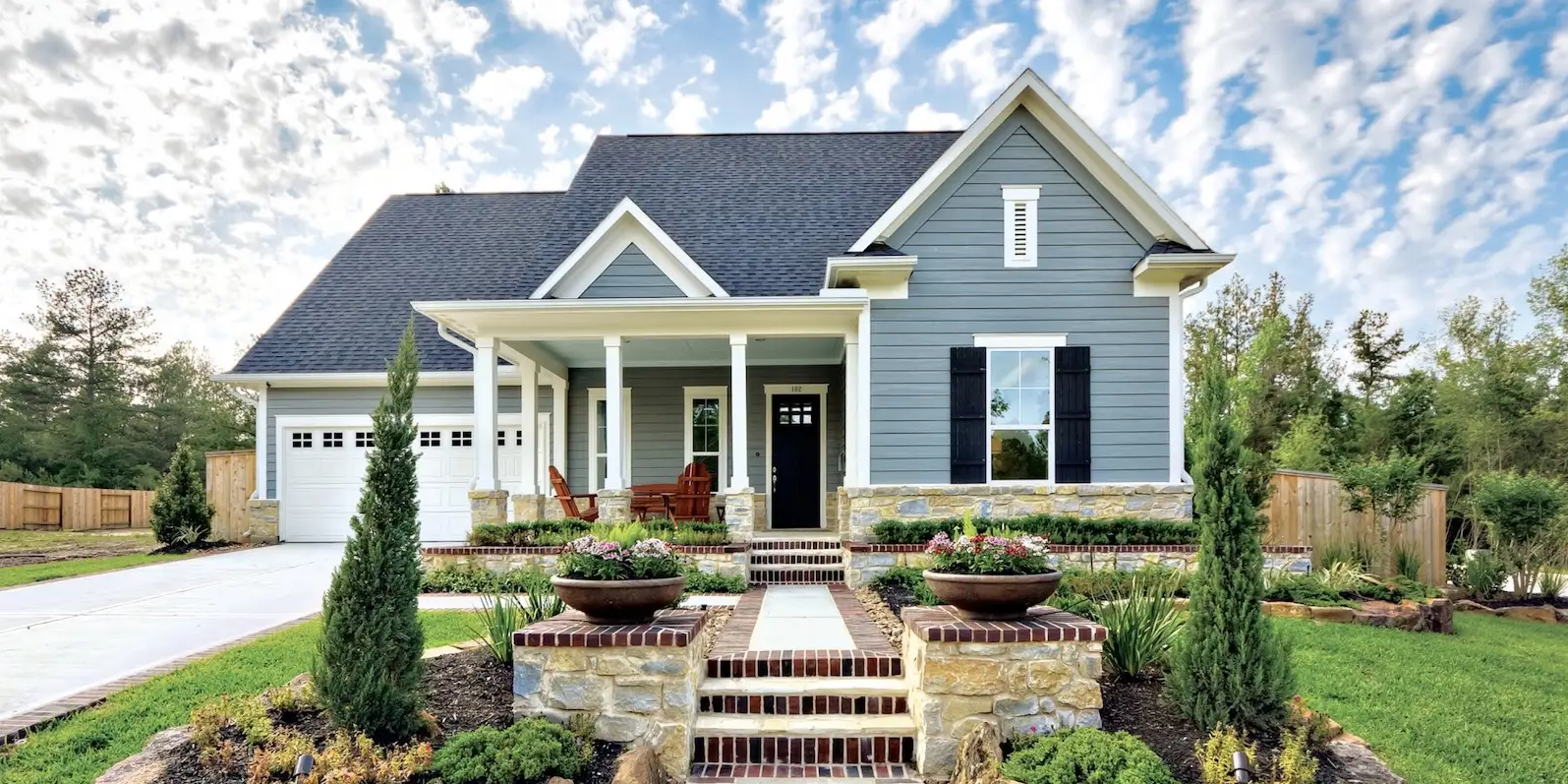
Advantages of Traditional Houses
Character and charm: Traditional homes possess a unique character and charm that resonates with many people, offering a sense of history and warmth.
Disadvantages of Traditional Houses
Higher maintenance costs: Older homes often require more maintenance and repairs than modern homes.
Advantages of Modern Houses
Energy efficiency: Modern homes are typically more energy-efficient than traditional homes, resulting in lower energy bills and a smaller environmental footprint.
Disadvantages of Modern Houses
Lack of character: Some people find modern homes to be sterile and lacking in character.
The Influence of Location and Culture
The choice between a traditional and modern house is also influenced by location and culture. In areas with a strong historical preservation movement, traditional homes may be highly valued and protected. In urban areas with limited space, modern high-rise apartments and condominiums may be more common. Cultural preferences also play a significant role, with some cultures prioritizing tradition and others embracing modernity.
A Blending of Styles: The Rise of Transitional Design
In recent years, a hybrid style known as “transitional design” has emerged, blending elements of traditional and modern aesthetics. This approach seeks to create homes that are both timeless and contemporary, combining the warmth and character of traditional styles with the clean lines and efficiency of modern design. This method helps to satisfy both traditional and modern tastes within one home.
The Future of Housing: Sustainability and Innovation
As we move forward, the future of housing is likely to be shaped by increasing concerns about sustainability and technological innovation. Green building practices, energy-efficient designs, and smart home technology are becoming increasingly prevalent, driving the evolution of both traditional and modern styles. Regardless of style preference, the emphasis will be on creating homes that are not only comfortable and functional but also environmentally responsible.
Conclusion
The choice between a traditional and modern house is a personal one, reflecting individual preferences, lifestyles, and priorities. Both styles offer unique advantages and disadvantages, and the ideal choice depends on what matters most to the homeowner. As we continue to evolve, the concept of home will continue to adapt to our changing needs and values. Whether we choose to dwell in a historic masterpiece or a sleek, modern abode, the essence of home remains the same: a place of comfort, security, and personal expression.


