
The Unsettling Aesthetic: Deconstructing the Modern house‘s “Ugliness”
The modern house, a term once synonymous with sleek lines, innovative materials, and a forward-thinking spirit, has increasingly become a lightning rod for aesthetic criticism. Whispers of “cold,” “sterile,” and, most damningly, “ugly” echo through online forums, design blogs, and even casual conversations. But what exactly is prompting this widespread aversion? Is it a matter of taste, a misunderstanding of architectural principles, or a deeper societal unease reflected in our built environment? This exploration delves into the various facets of this perceived “ugliness,” dissecting the stylistic choices and cultural shifts that have contributed to the modern house’s increasingly contentious reputation.
The Rise of the Rectilinear and the Demise of Detail
Modern architecture, in its purest form, often prioritizes functionality and efficiency. This translates into a prevalence of rectilinear forms, flat roofs, and expansive glass facades. While undeniably practical, this emphasis can lead to a sense of visual monotony. The absence of traditional ornamentation, the intricate moldings, the varied rooflines that characterized earlier architectural styles, leaves many feeling deprived of visual richness.
The Cult of the “Open Concept” and the Loss of Intimacy
The open-plan layout, a cornerstone of modern design, has been lauded for its ability to create a sense of spaciousness and fluidity. However, this emphasis on interconnectedness can also lead to a feeling of exposure and a lack of defined spaces. The absence of distinct rooms, the blurring of boundaries between living, dining, and kitchen areas, can feel overwhelming and even impersonal. The human desire for cozy nooks, for private sanctuaries, is often sacrificed at the altar of open-concept living.
The Cold Embrace of Industrial Materials
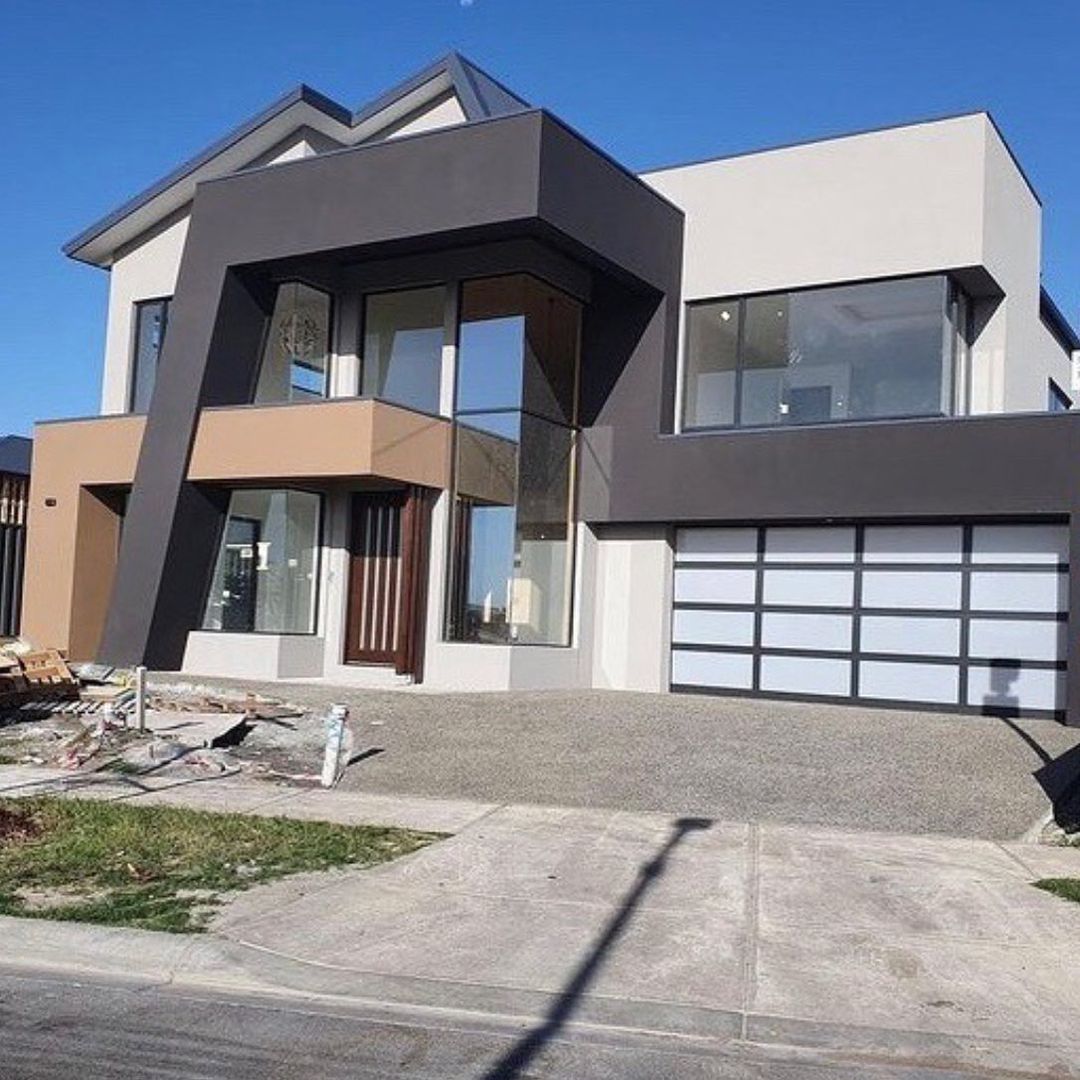
Concrete, steel, and glass, the materials of the industrial age, have become the defining elements of many modern homes. Their inherent strength and durability are undeniable, but their visual impact can be stark and unyielding. The smooth, unadorned surfaces, the lack of natural textures, can create a sense of coldness and detachment. The warmth and organic feel of wood, brick, and stone, the materials that evoke a sense of history and connection to nature, are often relegated to secondary roles.
The Tyranny of the “Minimalist” Aesthetic
Minimalism, with its emphasis on simplicity and restraint, has become a dominant force in modern design. While a well-executed minimalist interior can be serene and uncluttered, it can also veer into the realm of starkness and sterility. The absence of personal touches, the lack of color, the reliance on a limited palette, can create an environment that feels devoid of personality and warmth. The desire for individuality, for the expression of personal style, is often suppressed in the pursuit of a rigidly defined minimalist ideal.
The Blandness of Mass-Produced Modernity
The rise of mass-produced housing, driven by economic pressures and the demand for affordable dwellings, has led to a proliferation of cookie-cutter modern homes. These developments, often characterized by repetitive designs and a lack of architectural diversity, contribute to a sense of visual monotony and a feeling of placelessness. The individuality and character that once defined neighborhoods are often sacrificed in the pursuit of efficiency and cost-effectiveness.
The Disconnect from Nature and the Urban Sprawl
Modern housing developments, often built on the fringes of urban areas, can contribute to a sense of isolation and a disconnect from nature. The sprawling landscapes, the lack of mature trees, the absence of natural features, can create an environment that feels artificial and sterile. The human desire for connection to the natural world, for the restorative power of greenery and open spaces, is often compromised in the pursuit of suburban expansion.
The Overemphasis on Functionality at the Expense of Feeling
Modern architecture, with its emphasis on functionality and efficiency, can sometimes neglect the emotional and psychological needs of its inhabitants. The focus on practicality, on maximizing space and minimizing maintenance, can overlook the importance of creating a home that feels warm, inviting, and emotionally resonant. The human desire for comfort, for a sense of belonging, is often overshadowed by the pursuit of a purely functional ideal.
The Rise of the “Instagram Aesthetic” and the Pursuit of Perfection
The proliferation of social media platforms like Instagram has created a culture of visual perfection, where homes are often presented as curated showcases rather than lived-in spaces. This emphasis on flawless aesthetics can lead to a feeling of inadequacy and a sense of pressure to conform to a narrowly defined ideal of modern living. The pursuit of an “Instagram-worthy” home can overshadow the importance of creating a space that reflects personal style and fosters a sense of comfort and authenticity.
The Clash Between Modernism and Traditional Values
For some, the perceived “ugliness” of modern homes stems from a deeper cultural clash between modernism and traditional values. The minimalist aesthetic, the emphasis on functionality, and the rejection of ornamentation can be seen as a repudiation of traditional notions of home and family. The desire for a sense of history, for a connection to the past, can lead to a resistance to the perceived coldness and anonymity of modern design.
The Failure to Adapt to Climate and Context
Modern architectural principles, often developed in specific climates and contexts, can be applied indiscriminately to diverse environments. This can lead to homes that are ill-suited to their surroundings, that fail to take into account local climate conditions, and that clash with the existing architectural vernacular. The desire for a sense of place, for a harmonious integration with the surrounding environment, is often overlooked in the pursuit of a generic modern aesthetic.
The Lack of Human Scale and the Overuse of Glass

The expansive glass facades that are a hallmark of many modern homes can create a sense of vulnerability and a lack of privacy. The absence of solid walls, the exposure to the outside world, can feel unsettling and even intimidating. Furthermore, the sheer scale of some modern homes, with their high ceilings and vast open spaces, can create a feeling of being dwarfed and overwhelmed. The human desire for a sense of intimacy and security is often compromised in the pursuit of grandiosity and visual drama.
The Unforgiving Nature of Unadorned Surfaces
The lack of ornamentation and the reliance on smooth, unadorned surfaces can make modern homes unforgiving in their aesthetic. Every imperfection, every speck of dust, is readily visible. This can create a sense of anxiety and a constant pressure to maintain a pristine appearance. The human desire for a sense of comfort and relaxation can be undermined by the relentless pursuit of perfection.
The Economic Divide and the Rise of “McMansions”
The perception of “ugliness” can also be influenced by economic factors. The rise of “McMansions,” large, ostentatious homes built with cheap materials and a lack of architectural integrity, has contributed to a negative perception of modern housing developments. These homes, often characterized by their oversized proportions, their garish details, and their lack of sensitivity to their surroundings, represent the excesses of consumerism and the erosion of good taste.
The Shift in Cultural Values and the Decline of Craftsmanship
The decline of traditional craftsmanship and the rise of mass-produced goods have contributed to a sense of disposability and a lack of appreciation for quality and durability. The emphasis on speed and efficiency in the construction industry has led to a decline in the use of skilled labor and a reliance on prefabricated components. The human desire for authenticity, for the beauty of handcrafted objects, is often sacrificed in the pursuit of convenience and affordability.
The Subjectivity of Taste and the Evolution of Style
Ultimately, the perception of “ugliness” is subjective and influenced by individual tastes and cultural preferences. What one person finds aesthetically pleasing, another may find repulsive. Architectural styles are constantly evolving, and what is considered modern today may be considered outdated tomorrow. The key is to approach the debate with an open mind, to recognize the validity of different perspectives, and to appreciate the diversity of architectural expression.
Finding Beauty in the Unexpected
Despite the criticism, modern architecture also offers moments of beauty and innovation. The use of natural light, the integration of indoor and outdoor spaces, and the exploration of new materials and technologies can create homes that are both functional and visually striking. The challenge lies in finding a balance between functionality and aesthetics, between innovation and tradition, between personal expression and cultural context. The true beauty of a home lies not in its adherence to a particular style, but in its ability to create a space that fosters a sense of belonging, comfort, and joy.


