
The Evolving Canvas: Vietnam’s Modern house, A Symphony of Tradition and Innovation
Vietnam, a land steeped in rich history and vibrant culture, is experiencing a dynamic transformation in its architectural landscape. The modern Vietnamese house, a fascinating blend of inherited traditions and contemporary aspirations, stands as a testament to this evolution. Gone are the days of solely replicating colonial or traditional designs; today, architects and homeowners are forging a unique aesthetic that embraces modernity while honoring the nation’s heritage. This article delves into the various facets of this architectural metamorphosis, exploring the key elements that define the modern Vietnamese house.
Vietnam’s rapid urbanization, particularly in bustling cities like Hanoi and Ho Chi Minh City, has led to a significant challenge: limited land availability. This constraint has become a primary driver for the vertical expansion of residential spaces.
The Tube House: Optimizing Narrow Plots
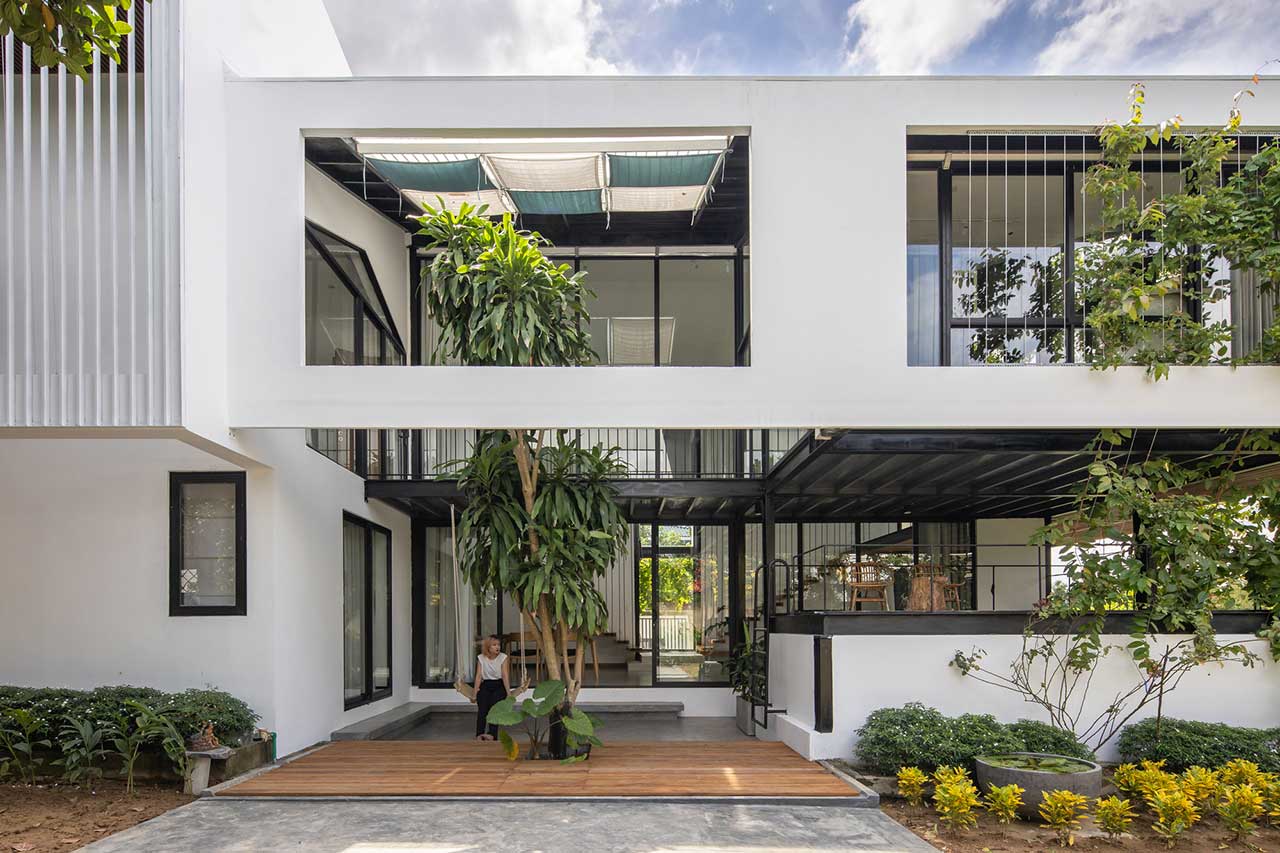
The quintessential urban Vietnamese house is the “tube house,” a narrow, multi-story structure designed to maximize space on slender plots. These houses often feature a long, rectangular footprint, extending deep into the plot while maintaining a narrow street frontage. Architects are employing ingenious strategies to mitigate the challenges of limited width.
Vertical Gardens and Skylights: Bringing Light and Nature In
To combat the sense of confinement in tube houses, architects are incorporating vertical gardens, green walls, and strategically placed skylights. These features not only enhance natural lighting and ventilation but also introduce a vital connection with nature, creating a sense of tranquility amidst the urban hustle.
Multi-Functional Spaces: Flexibility is Key
Modern Vietnamese homes are embracing flexible, multi-functional spaces. Living areas seamlessly transition into dining spaces, and bedrooms can double as home offices. This adaptability reflects the evolving lifestyle of Vietnamese families, who are increasingly seeking efficiency and versatility in their living environments.
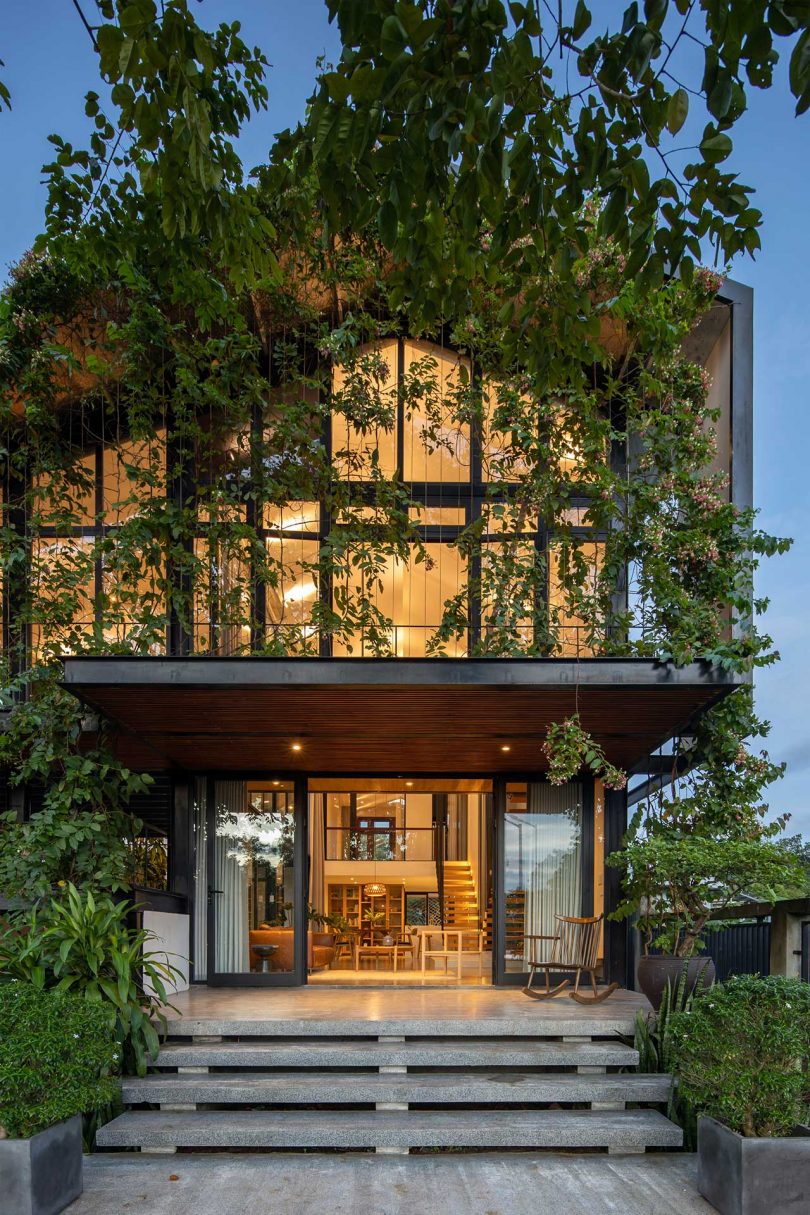
Vietnam’s tropical climate, characterized by high temperatures and humidity, necessitates architectural solutions that prioritize natural ventilation and thermal comfort.
Open Floor Plans and Cross Ventilation
Open floor plans are becoming increasingly popular, allowing for optimal cross-ventilation. Large windows and strategically placed openings facilitate the flow of air, reducing the reliance on air conditioning and promoting a more sustainable approach to cooling.
Shading Devices and Green Roofs
Architects are utilizing shading devices such as louvers, overhangs, and perforated screens to minimize direct sunlight penetration. Green roofs, covered in vegetation, are gaining traction, offering insulation and reducing the urban heat island effect.
Natural Materials: Local and Sustainable Choices
The use of natural materials, such as bamboo, timber, and locally sourced stone, is a hallmark of modern Vietnamese architecture. These materials not only blend seamlessly with the surrounding environment but also offer inherent thermal properties, contributing to a cooler and more comfortable living space.
While embracing modernity, Vietnamese architects are also drawing inspiration from the nation’s rich architectural heritage, reinterpreting traditional elements in contemporary contexts.
The Courtyard House: A Sanctuary of Serenity
The traditional courtyard house, a staple of Vietnamese architecture, is being reimagined in modern designs. Courtyards serve as central gathering spaces, providing natural light, ventilation, and a sense of privacy. They also create a seamless connection between indoor and outdoor living.
The Use of Traditional Motifs and Patterns
Subtle nods to traditional motifs and patterns, such as geometric brickwork, intricate wood carvings, and ceramic tile designs, are being incorporated into modern facades and interiors. These elements add a touch of cultural authenticity and create a sense of continuity with the past.
The Importance of Ancestral Altars
Despite the modern aesthetic, the importance of ancestral altars remains deeply ingrained in Vietnamese culture. Modern homes are designed to accommodate these sacred spaces, often integrating them seamlessly into the living room or a dedicated prayer room.
Modern Vietnamese architecture is witnessing a growing trend towards minimalism, characterized by clean lines, uncluttered spaces, and a focus on functionality.
Clean Lines and Simple Forms
Architects are embracing simple geometric forms and clean lines, creating a sense of spaciousness and tranquility. The emphasis is on functionality and efficiency, with a focus on creating comfortable and practical living spaces.
Neutral Color Palettes and Natural Light
Neutral color palettes, dominated by whites, grays, and natural wood tones, are favored for their calming and sophisticated aesthetic. Natural light is maximized through large windows and skylights, creating bright and airy interiors.
The Integration of Technology and Smart Home Features
Modern Vietnamese homes are increasingly incorporating smart home features, such as automated lighting, security systems, and climate control. These technologies enhance comfort, convenience, and energy efficiency.
While rooted in Vietnamese culture, modern Vietnamese architecture is also influenced by international trends, particularly from neighboring Southeast Asian countries and global architectural movements.
The Influence of Tropical Modernism
Tropical modernism, a style that emphasizes the integration of modern design principles with tropical climate considerations, has had a significant impact on Vietnamese architecture. This approach prioritizes natural ventilation, shading, and the use of local materials.
The Integration of Biophilic Design
Biophilic design, which seeks to connect people with nature through architectural elements, is gaining popularity in Vietnam. This approach incorporates natural materials, green spaces, and ample natural light to create healthier and more harmonious living environments.
The Blending of Styles: Fusion Architecture
Modern Vietnamese architecture is characterized by a fusion of styles, blending traditional Vietnamese elements with contemporary design principles and international influences. This eclectic approach reflects the diverse cultural influences that have shaped Vietnam’s architectural landscape.
The modern Vietnamese house is a constantly evolving entity, reflecting the changing needs and aspirations of Vietnamese society. As urbanization continues and technology advances, we can expect to see further innovations in design and construction.
Sustainable Practices and Green Building
The focus on sustainability and green building practices will continue to grow, with architects and homeowners increasingly prioritizing energy efficiency, water conservation, and the use of sustainable materials.
Community-Oriented Designs and Shared Spaces
As urban density increases, community-oriented designs and shared spaces will become more prevalent, fostering a sense of connection and belonging among residents.
The Integration of Digital Technologies and Virtual Reality
Digital technologies and virtual reality will play an increasingly important role in the design and construction of modern Vietnamese homes, allowing for more efficient planning, visualization, and customization.
The modern Vietnamese house is a reflection of the nation’s dynamic spirit, a harmonious blend of tradition and innovation. It is a testament to the creativity and ingenuity of Vietnamese architects and homeowners, who are shaping a unique architectural identity that is both rooted in the past and forward-looking. As Vietnam continues to evolve, its modern houses will continue to reflect the changing face of the nation, serving as a living testament to its rich culture and vibrant future.


