
“`html
Modern house Walls: A Comprehensive Guide
body {
font-family: sans-serif;
line-height: 1.6;
margin: 20px;
}
h1, h2, h3 {
color: #333;
}
h2 {
margin-top: 30px;
}
h3 {
margin-top: 20px;
}
Modern House Walls: A Comprehensive Guide
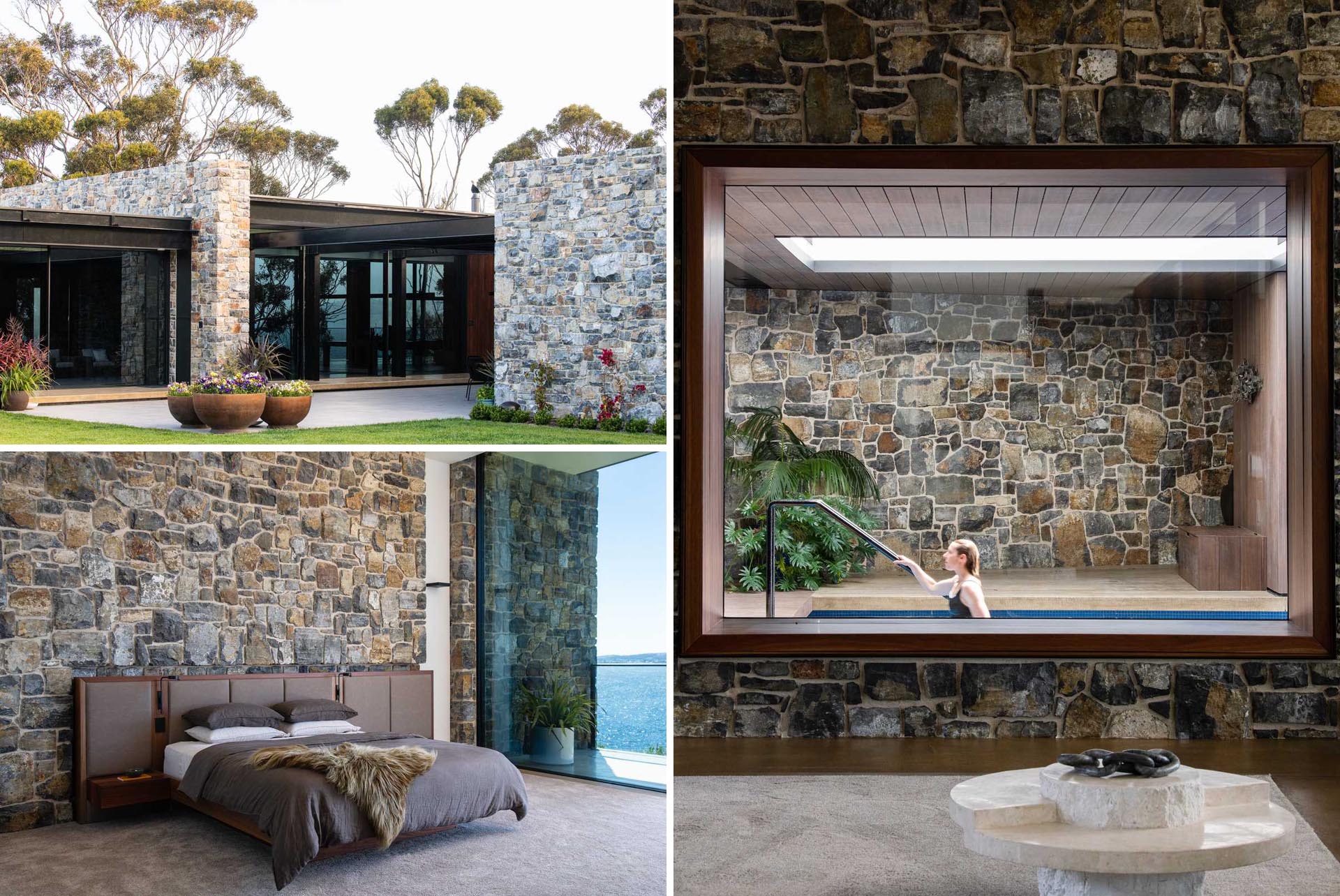
The walls of a modern house are far more than mere dividers of space. They are integral to the aesthetic, functionality, and sustainability of a home. From structural integrity to energy efficiency, the evolution of wall construction and finishing has been remarkable. This article delves into the diverse world of modern house walls, exploring materials, techniques, and trends that define contemporary living.
Structural Wall Systems
Traditional Stud Walls
Timber or metal stud walls remain a popular and cost-effective choice for many modern homes. These walls consist of vertical studs, typically spaced 16 or 24 inches apart, which are then clad with sheathing materials like plywood or oriented strand board (OSB). Insulation is placed within the stud cavities, and the interior and exterior finishes are applied. While traditional, advancements in insulation and sheathing have significantly improved their performance.
Structural Insulated Panels (SIPs)

SIPs are high-performance building materials used in walls, roofs, and floors. They consist of an insulating foam core sandwiched between two structural facings, typically OSB. SIPs offer excellent insulation, structural strength, and speed of construction. They reduce thermal bridging, leading to lower energy bills and a more comfortable indoor environment. Their pre-fabricated nature reduces on-site labor and waste.
Insulated Concrete Forms (ICFs)
ICFs are hollow blocks or panels made of expanded polystyrene (EPS) foam that are stacked and then filled with concrete. This creates a strong, insulated wall system with high thermal mass. ICFs offer excellent sound insulation, fire resistance, and energy efficiency. They are particularly suitable for regions with extreme climates. However, they require careful planning and skilled labor for installation.
Precast Concrete Walls
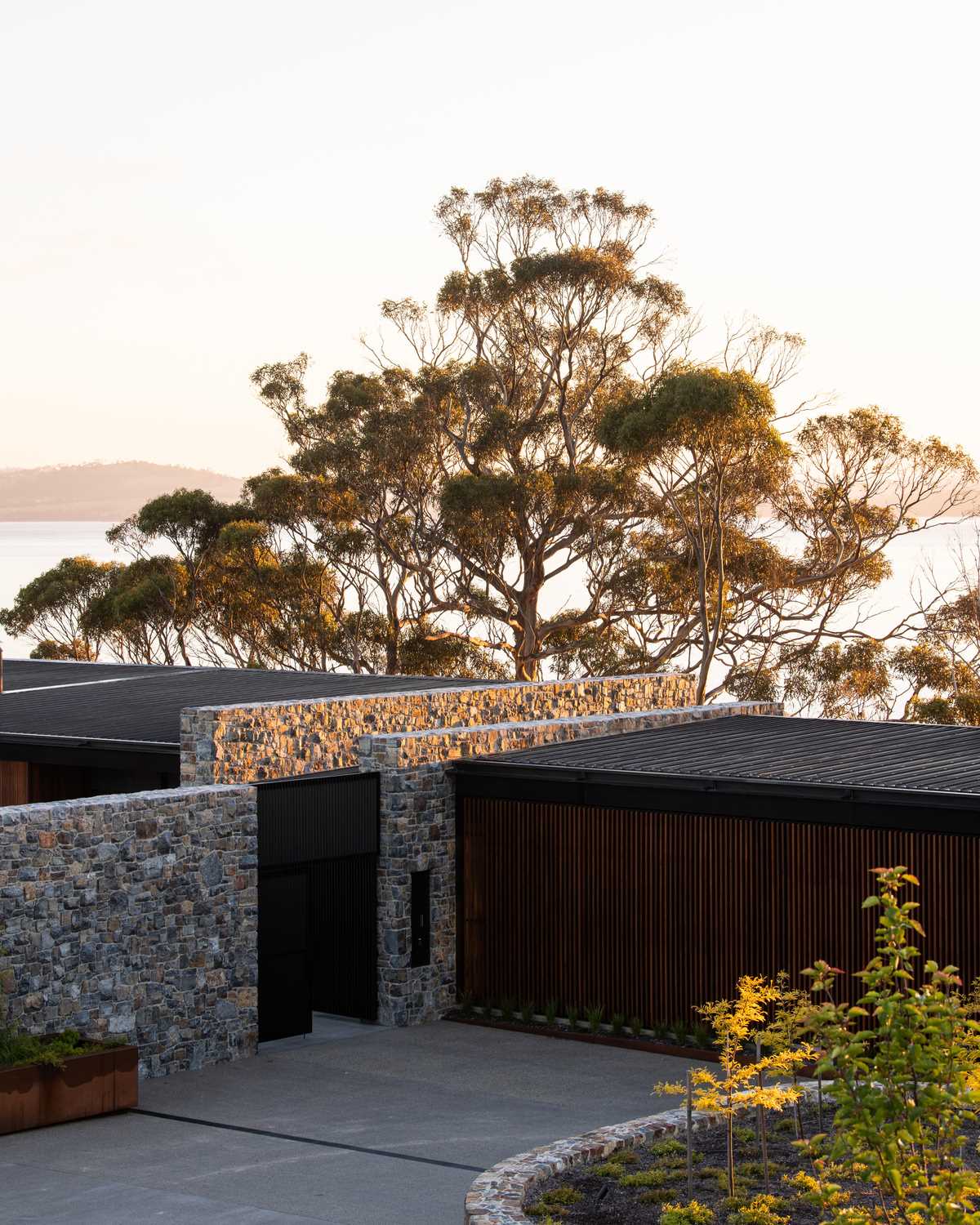
Precast concrete walls are manufactured off-site in controlled environments, allowing for precise dimensions and high-quality finishes. They are then transported and erected on-site. Precast walls offer durability, strength, and speed of construction. They can be designed with various finishes, including smooth, textured, and exposed aggregate. They are often used in modern architectural designs for their clean, minimalist aesthetic.
Exterior Wall Cladding
Brick and Stone
Traditional brick and stone cladding remain popular for their durability, longevity, and aesthetic appeal. Modern brick and stone applications often incorporate thin veneers or engineered stone to reduce weight and cost. They offer excellent weather resistance and require minimal maintenance.
Wood Siding
Wood siding provides a natural and warm aesthetic to modern homes. Modern wood siding options include cedar, redwood, and engineered wood products. They are often treated for weather resistance and durability. Horizontal, vertical, and shiplap installations offer versatile design options. Proper maintenance is essential to prevent rot and decay.
Metal Cladding
Metal cladding, such as steel, aluminum, and zinc, is increasingly used in modern architecture for its sleek, contemporary look. Metal offers durability, low maintenance, and design flexibility. It can be formed into various shapes and profiles, creating unique textures and patterns. Metal cladding is also fire-resistant and recyclable.
Fiber Cement Siding
Fiber cement siding is a composite material made from cement, sand, and cellulose fibers. It offers durability, weather resistance, and low maintenance. It can be manufactured to mimic the look of wood, stone, or stucco. Fiber cement is fire-resistant and resistant to rot and pests. It is a cost-effective alternative to natural materials.
Stucco
Modern stucco applications often incorporate synthetic stucco or EIFS (Exterior Insulation and Finish Systems). EIFS provides excellent insulation and design flexibility. It consists of a foam insulation board covered with a reinforced base coat and a textured finish coat. Stucco offers a seamless, monolithic appearance and can be tinted to various colors.
Glass Curtain Walls
Glass curtain walls are non-structural exterior wall systems that provide natural light and expansive views. They are commonly used in modern high-rise buildings and contemporary homes. Modern glass curtain walls incorporate high-performance glazing, such as low-E glass and insulated glass units, to improve energy efficiency. They can be designed with various framing systems and finishes.
Interior Wall Finishes
Drywall (Gypsum Board)
Drywall remains the most common interior wall finish for its ease of installation and cost-effectiveness. Modern drywall applications often incorporate moisture-resistant or fire-resistant boards for specific applications. Various textures and finishes can be achieved with drywall, from smooth to textured.
Plaster
Plaster offers a smooth, durable, and elegant finish to interior walls. Modern plaster applications often incorporate lime plaster or Venetian plaster for their natural beauty and environmental benefits. Plaster can be tinted to various colors and textured for unique effects.
Wood Paneling
Wood paneling adds warmth and texture to interior walls. Modern wood paneling options include solid wood, plywood, and MDF (medium-density fiberboard). Various installation patterns and finishes can be achieved, from traditional wainscoting to contemporary slat walls. Wood paneling can be stained, painted, or left natural.
Tile
Tile is a durable and versatile interior wall finish commonly used in kitchens and bathrooms. Modern tile applications include ceramic, porcelain, and natural stone tiles. Various sizes, shapes, and textures can be achieved, creating unique patterns and designs. Tile is easy to clean and maintain, making it ideal for high-moisture areas.
Wallpaper
Modern wallpaper offers a wide range of designs, colors, and textures. It can add visual interest and personality to interior walls. Modern wallpaper options include vinyl, non-woven, and peel-and-stick wallpapers. Digital printing allows for custom designs and murals. Wallpaper is relatively easy to install and remove, making it a flexible design option.
Paint
Paint is the most versatile and cost-effective interior wall finish. Modern paint formulations offer a wide range of colors, finishes, and performance characteristics. Low-VOC and zero-VOC paints are increasingly popular for their environmental and health benefits. Paint can be applied with various techniques, creating unique textures and effects.
Sustainable and Energy-Efficient Wall Solutions
Green Building Materials
Modern house walls increasingly incorporate sustainable and eco-friendly materials. Recycled materials, such as reclaimed wood and recycled steel, reduce environmental impact. Natural materials, such as bamboo and cork, offer renewable and biodegradable options. Low-VOC and zero-VOC materials improve indoor air quality.
High-Performance Insulation
High-performance insulation is essential for energy-efficient walls. Modern insulation materials include mineral wool, cellulose, and spray foam. These materials offer high R-values and reduce thermal bridging. Proper insulation reduces energy consumption and improves indoor comfort.
Thermal Mass
Thermal mass refers to the ability of a material to absorb, store, and release heat. Concrete, brick, and stone offer high thermal mass, moderating indoor temperatures and reducing energy consumption. Incorporating thermal mass into wall construction can improve energy efficiency and create a more comfortable indoor environment.
Rain Screen Systems
Rain screen systems are exterior wall assemblies that protect the building envelope from moisture. They consist of an outer cladding, an air gap, and a weather-resistant barrier. Rain screens allow for proper drainage and ventilation, preventing moisture damage and improving energy efficiency. They are particularly suitable for regions with high rainfall.
Living Walls
Living walls, also known as vertical gardens, are walls covered with vegetation. They offer aesthetic, environmental, and health benefits. Living walls improve air quality, reduce urban heat island effect, and provide habitat for wildlife. They can be installed on both interior and exterior walls. Living walls require careful planning and maintenance.
Technological Advancements in Wall Construction
3D-Printed Walls
3D-printed walls are an emerging technology that offers speed, efficiency, and design flexibility. Concrete, clay, and polymer materials can be used for 3D printing. 3D-printed walls reduce waste and labor costs. They allow for complex geometries and custom designs. 3D-printed walls are still in their early stages of development, but they have the potential to revolutionize wall construction.
Smart Walls
Smart walls incorporate sensors, actuators, and control systems to optimize building performance. They can monitor and adjust temperature, humidity, and lighting. Smart walls can also integrate with other building systems, such as security and energy management. Smart walls offer enhanced comfort, energy efficiency, and security.
Self-Healing Materials
Self-healing materials are designed to repair damage automatically. They can be used in wall construction to improve durability and longevity. Self-healing concrete and polymers are being developed for various applications. Self


