
The Revolution of the Modern house 3D Model: From Blueprint to Virtual Reality
The architectural landscape has undergone a profound transformation, driven by technological advancements. At the forefront of this evolution lies the modern house 3D model, a digital representation that transcends traditional blueprints, offering an immersive and interactive experience. This article delves into the intricacies of this technology, exploring its impact on design, construction, and the very perception of home.
The journey from hand-drawn sketches to intricate 3D models has been a gradual yet significant one. Early computer-aided design (CAD) programs laid the groundwork, enabling architects to create digital drawings with greater precision. However, these were primarily 2D representations. The shift to 3D modeling marked a paradigm shift, allowing for the creation of virtual spaces that could be explored and manipulated.
A. The Rise of BIM (Building Information Modeling)
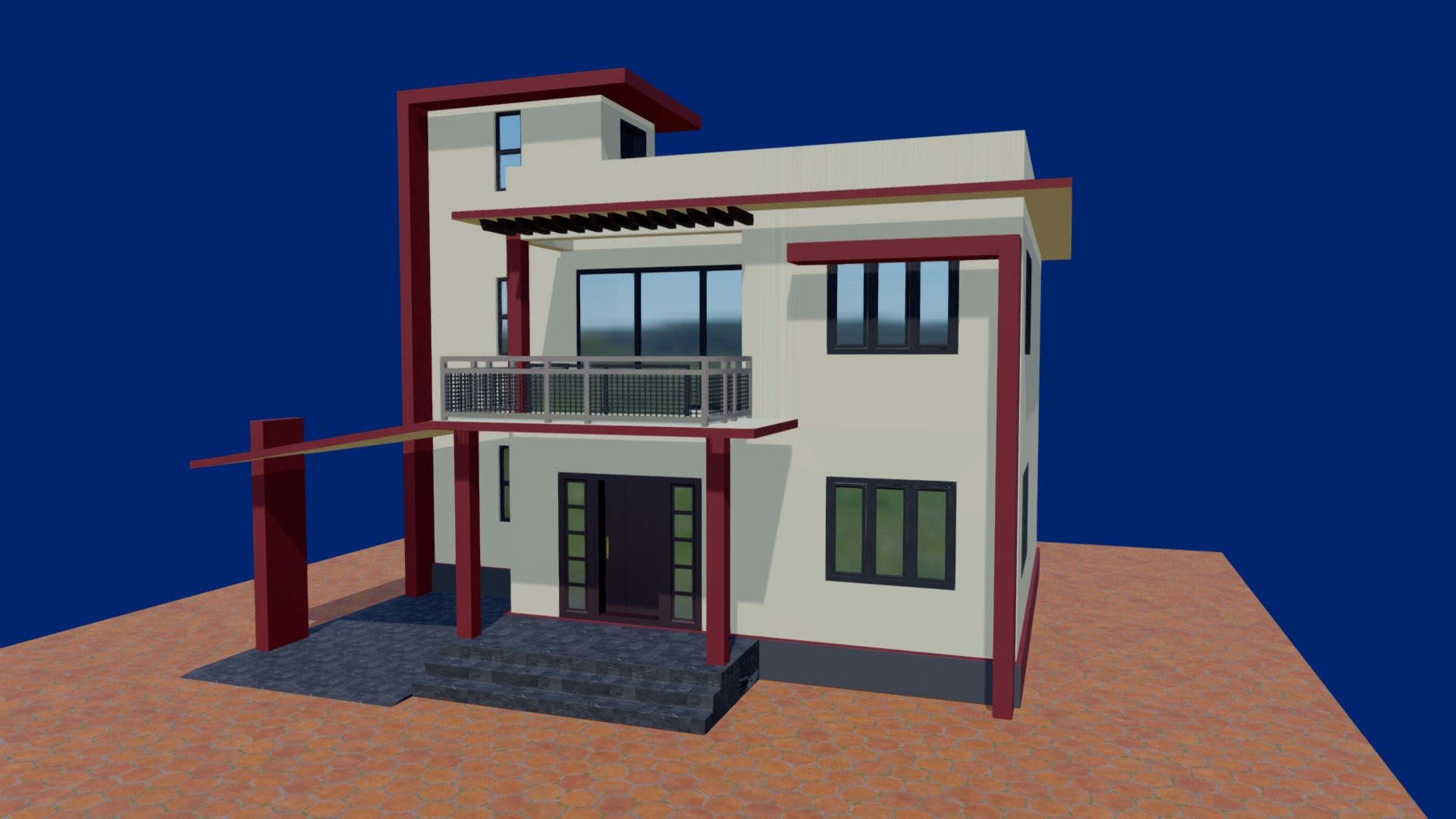
BIM, a process involving the generation and management of digital representations of physical and functional characteristics of places, has been instrumental in the adoption of 3D modeling. BIM goes beyond simple visualization, integrating data related to materials, costs, and scheduling. This holistic approach has streamlined the design and construction process, minimizing errors and fostering collaboration.
B. The Evolution of Software and Hardware
The proliferation of powerful software like Autodesk Revit, SketchUp, and Blender, coupled with advancements in computer hardware, has democratized 3D modeling. User-friendly interfaces and robust rendering engines have made it possible for architects and designers to create photorealistic models with relative ease. The advent of virtual reality (VR) and augmented reality (AR) technologies has further enhanced the immersive potential of these models.
The adoption of 3D modeling in residential architecture offers a multitude of benefits, impacting every stage of the project lifecycle.
A. Enhanced Visualization and Communication
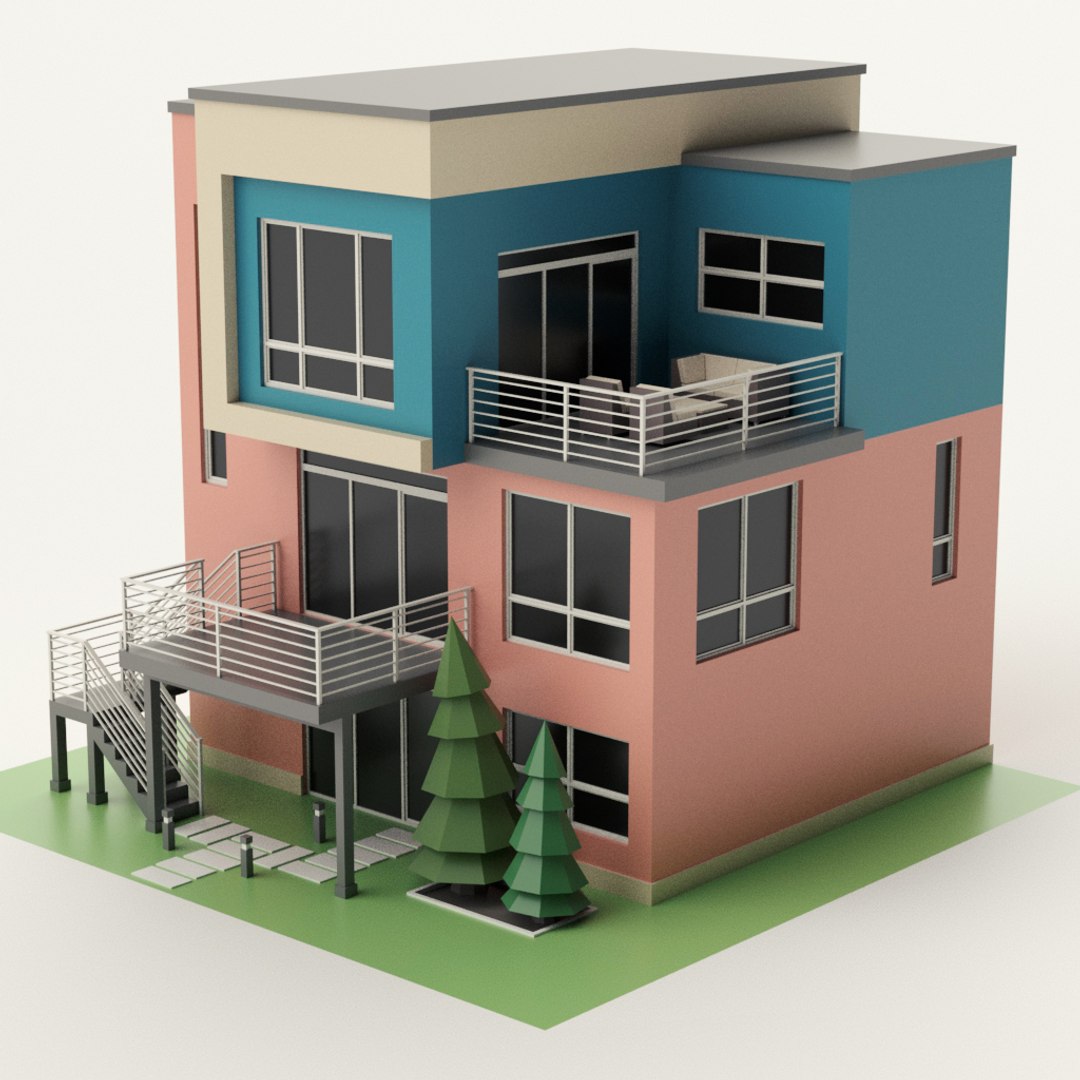
One of the most significant advantages is the ability to visualize the design in three dimensions. Clients can walk through their future homes virtually, gaining a realistic understanding of the spatial layout, lighting, and material choices. This immersive experience facilitates better communication between architects, clients, and contractors, ensuring that everyone is on the same page.
B. Design Optimization and Error Reduction
3D models allow architects to test and refine their designs in a virtual environment. This process helps identify potential problems early on, such as clashes between structural elements or inefficient space utilization. By addressing these issues before construction begins, architects can minimize costly rework and delays.
C. Improved Collaboration and Coordination
BIM-based 3D models serve as a central repository of information, accessible to all stakeholders. This facilitates seamless collaboration between architects, engineers, contractors, and subcontractors. By sharing a common model, teams can coordinate their efforts more effectively, reducing the risk of errors and miscommunication.
D. Accurate Cost Estimation and Material Quantification
BIM models can be used to generate accurate cost estimates and material takeoffs. By extracting data related to materials and quantities, architects and contractors can develop detailed budgets and schedules. This level of precision helps control costs and ensure that projects are completed within budget.
E. Marketing and Sales Potential

3D models are powerful marketing tools for real estate developers and builders. Virtual tours and photorealistic renderings can showcase properties in their best light, attracting potential buyers and investors. The ability to customize models and create interactive presentations further enhances the marketing potential.
Creating a high-quality 3D model involves a range of technical skills and considerations.
A. Modeling Techniques and Software
Architects employ various modeling techniques, including polygonal modeling, NURBS modeling, and parametric modeling. The choice of technique depends on the complexity of the design and the desired level of realism. Software like Revit, SketchUp, and Blender offers a range of tools and features for creating and manipulating 3D models.
B. Texturing and Material Application
Texturing and material application are crucial for creating photorealistic models. Architects use texture maps to simulate the appearance of different materials, such as wood, brick, and concrete. The quality of the textures and the accuracy of the material application significantly impact the realism of the final model.
C. Lighting and Rendering
Lighting and rendering are essential for creating visually appealing models. Architects use lighting techniques to simulate natural and artificial light, enhancing the depth and realism of the scene. Rendering engines, such as V-Ray and Corona Renderer, are used to generate high-quality images and animations.
D. Integration with VR and AR Technologies
The integration of VR and AR technologies has opened up new possibilities for 3D modeling. VR headsets allow users to immerse themselves in virtual environments, while AR applications overlay digital information onto the real world. These technologies enhance the interactive potential of 3D models, providing a more engaging and immersive experience.
The adoption of 3D modeling has had a profound impact on the design and construction process.
A. Streamlined Design Workflow
3D modeling has streamlined the design workflow, allowing architects to iterate and refine their designs more efficiently. The ability to visualize and manipulate designs in three dimensions facilitates better decision-making and reduces the need for physical prototypes.
B. Prefabrication and Modular Construction
3D models are essential for prefabrication and modular construction. By creating detailed digital models of building components, manufacturers can produce them off-site with greater precision and efficiency. This approach reduces construction time and costs, while minimizing waste.
C. On-Site Coordination and Visualization
3D models can be used on-site to facilitate coordination and visualization. Contractors can use mobile devices to access and view the models, ensuring that they are building according to the design specifications. AR applications can overlay digital information onto the real world, providing workers with real-time guidance and instructions.
D. Sustainability and Energy Efficiency
BIM-based 3D models can be used to analyze the energy performance of buildings. Architects can simulate different design scenarios and material choices to optimize energy efficiency and reduce environmental impact. This approach supports the development of sustainable and eco-friendly homes.
The future of modern house 3D modeling is bright, with ongoing advancements in technology and increasing adoption across the industry.
A. AI and Machine Learning Integration
The integration of AI and machine learning will further enhance the capabilities of 3D modeling software. AI algorithms can be used to automate repetitive tasks, generate design options, and optimize building performance. Machine learning can be used to analyze data and predict future trends, informing design decisions.
B. Cloud-Based Collaboration and Data Sharing
Cloud-based platforms will facilitate seamless collaboration and data sharing between stakeholders. Architects, engineers, and contractors will be able to access and update models in real-time, regardless of their location. This approach will improve communication and coordination, while reducing the risk of errors and delays.
C. Parametric Design and Generative Architecture
Parametric design and generative architecture will play an increasingly important role in the future of 3D modeling. These techniques allow architects to create complex and innovative designs by defining parameters and rules. AI algorithms can then generate multiple design options based on these parameters, exploring a wider range of possibilities.
D. Real-Time Rendering and Immersive Experiences
Advancements in rendering technology will enable real-time rendering, providing users with instant feedback on design changes. VR and AR experiences will become even more immersive, allowing users to interact with virtual environments in a more natural and intuitive way.
The modern house 3D model has revolutionized the architectural landscape, transforming the way homes are designed, built, and experienced. By offering enhanced visualization, design optimization, and collaboration, this technology has empowered architects and clients alike. As technology continues to evolve, 3D modeling will play an even more significant role in shaping the future of residential architecture, creating homes that are not only beautiful and functional, but also sustainable and responsive to the needs of their inhabitants. The integration of AI, cloud computing, and immersive technologies will further enhance the capabilities of 3D models, pushing the boundaries of what is possible in the world of architecture. The journey from blueprint to virtual reality is a testament to the transformative power of technology, and the modern house 3D model stands as a symbol of this ongoing evolution.


