Rethinking the Modern Abode: Essential Requirements for Contemporary Living
The concept of “home” has undergone a profound transformation in the 21st century. No longer merely a shelter, the modern house is expected to be a dynamic, adaptable, and sustainable space that caters to the evolving needs of its inhabitants. From the rise of remote work to heightened environmental awareness, a confluence of factors is reshaping the architectural and design principles that define contemporary living. This article delves into the crucial requirements for a modern house, exploring the intersection of functionality, aesthetics, and sustainability.
The Fluidity of Space
The traditional notion of rigidly defined rooms is waning. Today’s homes must be adaptable to accommodate a multitude of activities, often within the same space. Open-plan layouts remain popular, but with a focus on creating zones that can be easily reconfigured. Sliding partitions, modular furniture, and integrated storage solutions are essential tools for achieving this flexibility.
The Multi-Purpose Room

The rise of remote work has blurred the lines between living and working spaces. A dedicated home office is no longer a luxury, but a necessity. However, this space should also be versatile enough to serve as a guest room, a hobby area, or a home gym. Multi-functional furniture, such as Murphy beds, fold-down desks, and storage ottomans, plays a crucial role in maximizing the utility of these spaces.
Adapting to Life Stages
Modern homes should be designed to accommodate the changing needs of residents throughout their life stages. This includes considerations for accessibility, aging in place, and the evolving needs of families. Universal design principles, such as wider doorways, level thresholds, and easily accessible controls, are essential for creating homes that are inclusive and adaptable.
The Imperative of Green Building
The climate crisis has placed a spotlight on the environmental impact of buildings. Modern homes must prioritize sustainability, minimizing their carbon footprint through energy-efficient design and construction. This includes the use of sustainable materials, such as reclaimed wood, bamboo, and recycled steel, as well as passive solar design principles that maximize natural light and ventilation.
Energy-Efficient Systems
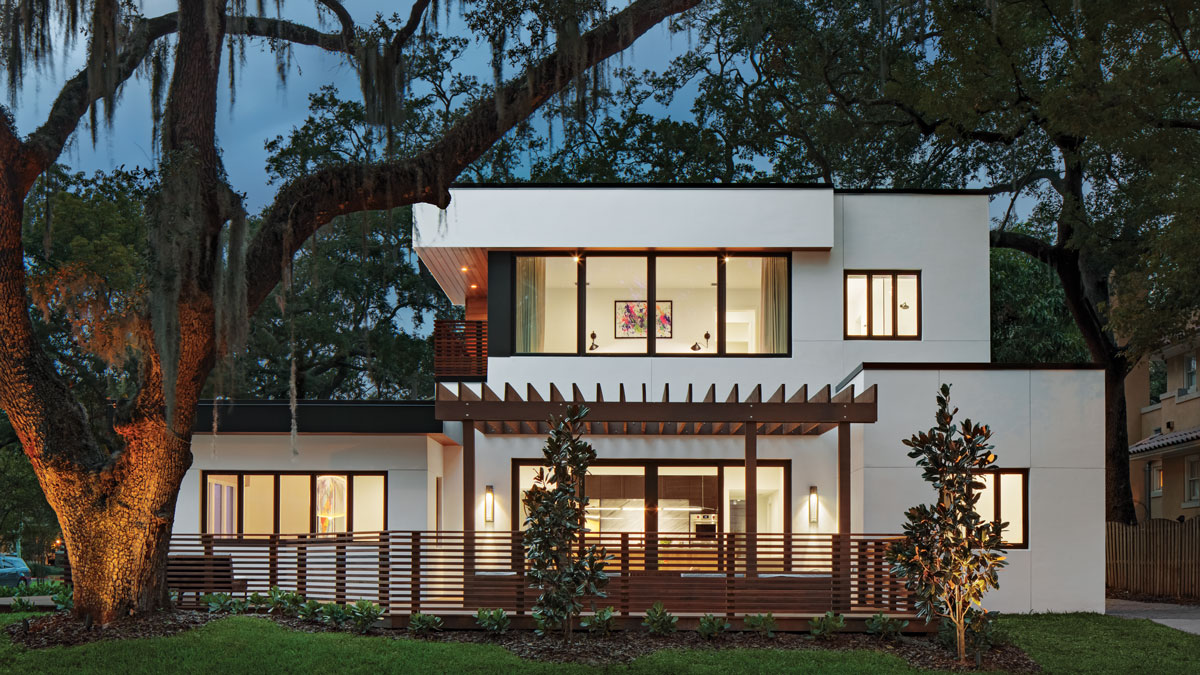
High-performance insulation, energy-efficient windows, and smart home technologies are crucial for reducing energy consumption. Solar panels, geothermal heating and cooling systems, and rainwater harvesting are increasingly popular features that contribute to a home’s sustainability.
Water Conservation
Water scarcity is a growing concern. Modern homes should incorporate water-saving fixtures, such as low-flow faucets and toilets, as well as greywater recycling systems for irrigation and non-potable uses. Drought-tolerant landscaping and rainwater harvesting are also important considerations.
The Smart Home Ecosystem
Smart home technology has become an integral part of modern living, offering convenience, comfort, and energy efficiency. Integrated systems control lighting, temperature, security, and entertainment, often accessible through voice commands or mobile apps.
Connectivity and Infrastructure
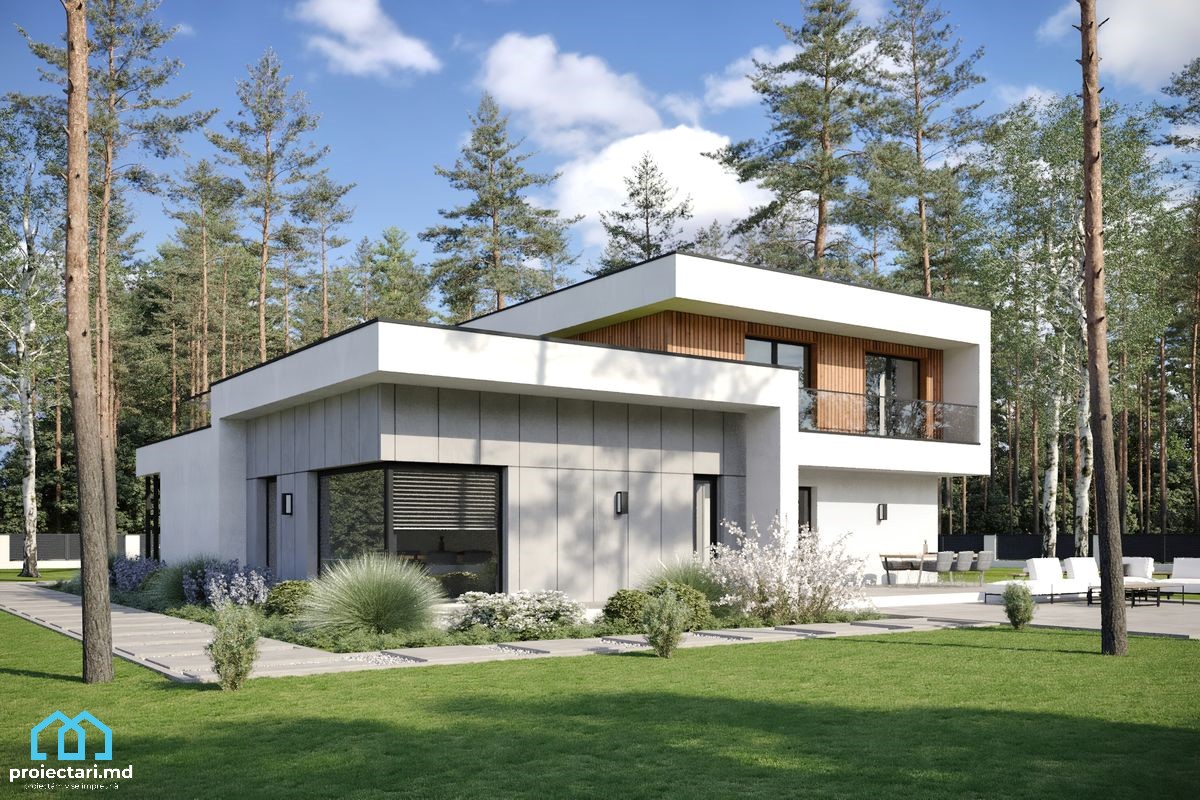
High-speed internet access is essential for remote work, entertainment, and communication. Modern homes must be equipped with robust Wi-Fi networks, wired Ethernet connections, and adequate power outlets to support a growing number of connected devices.
Enhanced Security
Security systems have evolved beyond basic alarms. Smart security cameras, motion sensors, and automated locks provide enhanced protection and peace of mind. Integration with mobile devices allows for remote monitoring and control.
Indoor Air Quality
Modern homes should prioritize indoor air quality, minimizing exposure to pollutants and allergens. This includes the use of low-VOC paints and finishes, as well as efficient ventilation systems that circulate fresh air. Air purifiers and humidifiers can also contribute to a healthier indoor environment.
Natural Light and Ventilation
Access to natural light and fresh air is crucial for physical and mental well-being. Large windows, skylights, and strategically placed openings maximize natural light and ventilation. Operable windows allow for cross-ventilation, reducing the need for mechanical cooling.
Biophilic Design
Biophilic design principles emphasize the connection between humans and nature. This includes incorporating natural materials, such as wood and stone, as well as indoor plants and water features. Access to outdoor spaces, such as balconies, patios, and gardens, is also essential for promoting well-being.
Extending Living Areas
Outdoor spaces are no longer relegated to the backyard. They are extensions of the living area, designed for relaxation, entertainment, and recreation. Covered patios, outdoor kitchens, and fire pits create inviting spaces for gathering and socializing.
Landscaping and Gardens
Landscaping plays a crucial role in enhancing the aesthetic appeal and functionality of outdoor spaces. Native plants, drought-tolerant species, and edible gardens contribute to sustainability and biodiversity. Vertical gardens and green roofs can maximize green space in urban environments.
Privacy and Security
Outdoor spaces should provide privacy and security. Fences, hedges, and strategically placed landscaping can create a sense of seclusion. Outdoor lighting and security cameras enhance safety and deter intruders.
Integrated Storage Solutions
Clutter is the enemy of modern living. Integrated storage solutions, such as built-in cabinets, shelving, and drawers, maximize space and minimize visual clutter. Multi-functional furniture with built-in storage is also essential for optimizing space utilization.
Dedicated Storage Areas
Modern homes should include dedicated storage areas for seasonal items, tools, and equipment. Garages, attics, and basements can be transformed into organized storage spaces with the use of shelving, bins, and other storage solutions.
Smart Storage Systems
Smart storage systems, such as automated closets and drawer organizers, can optimize space utilization and accessibility. These systems can be integrated with smart home technology for remote monitoring and control.
Personalized Design
Modern homes should reflect the personal style and preferences of their inhabitants. This includes the selection of finishes, fixtures, and furniture, as well as the incorporation of artwork and personal belongings.
Minimalism and Simplicity
Minimalist design principles emphasize simplicity, functionality, and uncluttered spaces. Clean lines, neutral colors, and natural materials create a sense of calm and tranquility.
Eclectic and Bohemian Styles
Eclectic and bohemian styles embrace a mix of textures, patterns, and colors, creating a unique and personalized aesthetic. This approach allows for the incorporation of vintage and handcrafted items, adding character and charm to the home.
Aging in Place
As the population ages, homes must be designed to accommodate the needs of older adults. This includes accessibility features, such as ramps, grab bars, and walk-in showers, as well as smart home technology that enhances safety and independence.
Remote Work and Education
The rise of remote work and education has transformed the way we use our homes. Dedicated workspaces, high-speed internet access, and soundproofing are essential for creating productive and comfortable environments.
Community and Connection
Modern homes should foster a sense of community and connection. This includes the design of shared spaces, such as communal gardens and outdoor gathering areas, as well as the integration of technology that facilitates communication and social interaction.
In conclusion, the modern house is a dynamic and evolving entity, shaped by a confluence of technological, environmental, and social factors. By prioritizing flexibility, sustainability, technology, health, and personal style, we can create homes that are not only functional and comfortable but also inspiring and transformative. As we navigate the complexities of the 21st century, the modern house will continue to evolve, reflecting our changing needs and aspirations.


