
The Evolving Canvas: Defining Modern house Design in the 21st Century
Modern house design, a term often used interchangeably with “contemporary,” is a dynamic and ever-evolving concept. It’s not simply a style, but a philosophy, a response to the changing needs, values, and technologies of our time. While rooted in the modernist movement of the early 20th century, contemporary architecture has branched out, embracing a diverse range of influences and prioritizing sustainability, functionality, and a seamless integration with the surrounding environment. This exploration delves into the core tenets of modern house design, examining the key elements that contribute to its distinctive character.
The Demise of Rigid Compartmentalization
One of the most defining features of modern house design is the emphasis on open floor plans. Gone are the days of small, enclosed rooms. Instead, spaces flow seamlessly into one another, creating a sense of spaciousness and connection. Living areas, kitchens, and dining spaces often merge, fostering social interaction and flexibility. This open layout maximizes natural light and creates a feeling of airiness, essential for modern living.
Flexible Functionality and Adaptability

This fluidity extends beyond the main living areas. Modern homes are designed to be adaptable, accommodating changing needs and lifestyles. Multipurpose rooms, sliding partitions, and modular furniture allow homeowners to customize their spaces, creating zones for work, relaxation, or entertainment as required.
The Importance of Large Windows and Glazing
Modern homes are designed to maximize natural light. Large windows, floor-to-ceiling glass panels, and skylights are integral features, blurring the lines between indoor and outdoor spaces. These expansive openings not only illuminate interiors but also offer panoramic views of the surrounding landscape, fostering a sense of connection with nature.
Integrating Outdoor Spaces and Landscaping
Modern design extends beyond the walls of the house, seamlessly integrating outdoor spaces. Patios, decks, and courtyards become extensions of the living area, creating opportunities for outdoor dining, relaxation, and entertainment. Landscaping plays a crucial role, with minimalist gardens, native plantings, and water features enhancing the natural beauty of the site.
The Beauty of Simplicity and Functionality
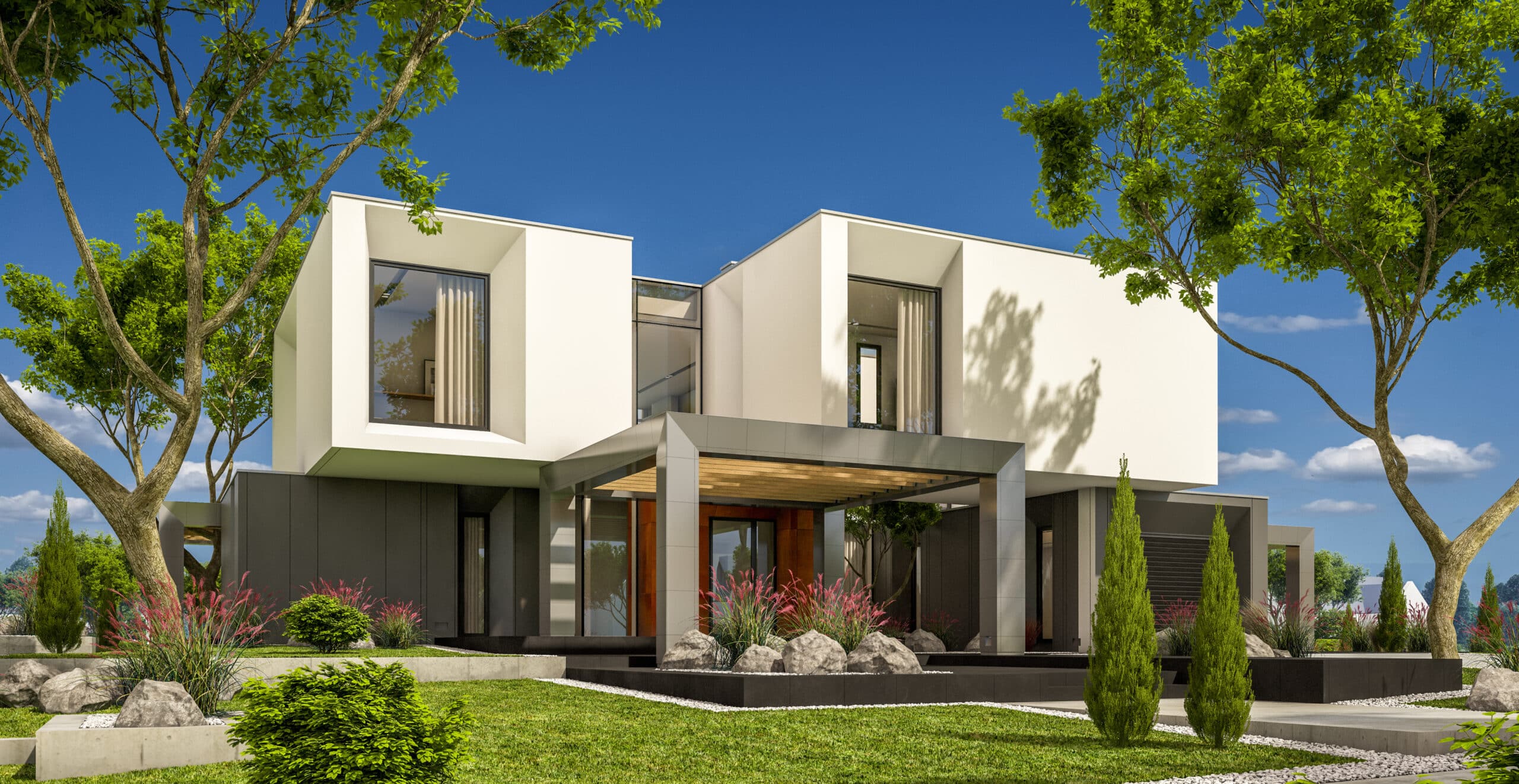
Modern house design embraces clean lines, geometric forms, and a minimalist aesthetic. Ornamentation is minimized, and the focus is on the essential elements of the building. This simplicity creates a sense of calm and order, allowing the architecture to speak for itself.
Utilizing Natural Materials and Textures
While minimalist, modern homes are not devoid of warmth and texture. Natural materials like wood, stone, concrete, and steel are often left exposed, showcasing their inherent beauty. These materials add depth and character to the space, creating a tactile and visually appealing environment.
The Growing Importance of Environmental Responsibility
Sustainability is a cornerstone of modern house design. As concerns about climate change grow, homeowners are increasingly seeking eco-friendly solutions. Modern homes incorporate energy-efficient features like solar panels, green roofs, rainwater harvesting systems, and high-performance insulation.
Passive Design Strategies and Natural Ventilation
Passive design strategies, such as optimizing building orientation to maximize solar gain and natural ventilation, are also crucial. These strategies reduce reliance on mechanical systems, minimizing energy consumption and creating a healthier indoor environment.
The Rise of Smart Home Automation
Technology plays a significant role in modern house design. Smart home systems allow homeowners to control lighting, temperature, security, and entertainment with ease. Integrated technology enhances comfort, convenience, and energy efficiency.
Seamless Integration of Technology and Design
Modern design seamlessly integrates technology into the architectural fabric of the home. Hidden wiring, recessed lighting, and integrated sound systems create a clean and uncluttered aesthetic. Technology enhances the functionality of the space without compromising its design.
The Importance of Site-Specific Design
Modern house design is not a one-size-fits-all approach. It is responsive to the local context, taking into account the climate, topography, and cultural influences of the region. Site-specific design ensures that the home is well-suited to its environment and reflects the unique character of its location.
Incorporating Regional Materials and Architectural Traditions
Modern homes often incorporate regional materials and architectural traditions, creating a sense of place and connection to the local community. This approach blends contemporary design with the rich history and culture of the region.
Designing for Everyday Living
Modern house design is ultimately about creating spaces that are functional and comfortable for everyday living. The focus is on the user experience, ensuring that the home meets the needs and preferences of its inhabitants.
Creating Spaces that Promote Well-Being and Connection
Modern homes are designed to promote well-being and connection. Open layouts, abundant natural light, and seamless integration with nature create a sense of calm and tranquility. These spaces encourage social interaction and foster a sense of community.
Designing for Changing Needs and Lifestyles
Modern homes are designed to be adaptable and future-proof, accommodating changing needs and lifestyles. Flexible spaces, modular components, and smart home technology allow homeowners to customize their homes over time.
Anticipating Technological Advancements and Evolving Trends
Modern design anticipates technological advancements and evolving trends, ensuring that the home remains relevant and functional for years to come. This forward-thinking approach creates a sustainable and enduring living environment.
Collaborating with Homeowners to Create Personalized Spaces
The role of the architect and designer is crucial in creating modern homes that are both functional and aesthetically pleasing. They collaborate with homeowners to understand their needs, preferences, and lifestyles, translating their vision into reality.
Balancing Aesthetics, Functionality, and Sustainability
Modern architects and designers balance aesthetics, functionality, and sustainability, creating homes that are beautiful, comfortable, and environmentally responsible. They are innovators, pushing the boundaries of design and technology to create exceptional living spaces.
Embracing New Technologies and Materials
Modern house design is constantly evolving, embracing new technologies, materials, and design approaches. The future of modern design will likely see increased integration of artificial intelligence, robotics, and advanced materials.
Responding to Global Challenges and Societal Shifts
Modern design will continue to respond to global challenges and societal shifts, such as climate change, urbanization, and demographic changes. The focus will be on creating sustainable, resilient, and adaptable homes that meet the needs of a changing world.
In conclusion, modern house design is a multifaceted and dynamic concept that reflects the values, needs, and aspirations of contemporary society. It’s a philosophy that prioritizes functionality, sustainability, and a seamless integration with the environment. By embracing open floor plans, maximizing natural light, incorporating sustainable features, and integrating technology, modern homes create exceptional living spaces that are both beautiful and functional. As technology advances and societal needs evolve, modern house design will continue to adapt and innovate, shaping the future of residential architecture.


