
The Avant-Garde Abode: Exploring Unique Modern house Designs
Modern architecture, in its relentless pursuit of innovation, has birthed a fascinating array of unique house designs that challenge conventions and redefine the very concept of “home.” These structures are not merely shelters, but artistic expressions, technological marvels, and sustainable solutions, reflecting the diverse values and aspirations of contemporary society. This exploration delves into the captivating world of these avant-garde abodes, highlighting key trends and groundbreaking examples that are shaping the future of residential architecture.
The growing awareness of the profound connection between humans and nature has fueled the rise of biophilic design. This approach prioritizes integrating natural elements into the built environment, fostering a sense of well-being and harmony.
The Vertical Forest: Urban Greenery Reimagined
Stefano Boeri’s “Vertical Forest” in Milan stands as a testament to the power of biophilic integration. Two residential towers, adorned with thousands of trees, shrubs, and flowering plants, create a microclimate, purify the air, and enhance biodiversity within the urban landscape. This design not only provides residents with a direct connection to nature but also contributes to the ecological health of the city.
The Glass House with Integrated Courtyards: Blurring Indoor-Outdoor Boundaries
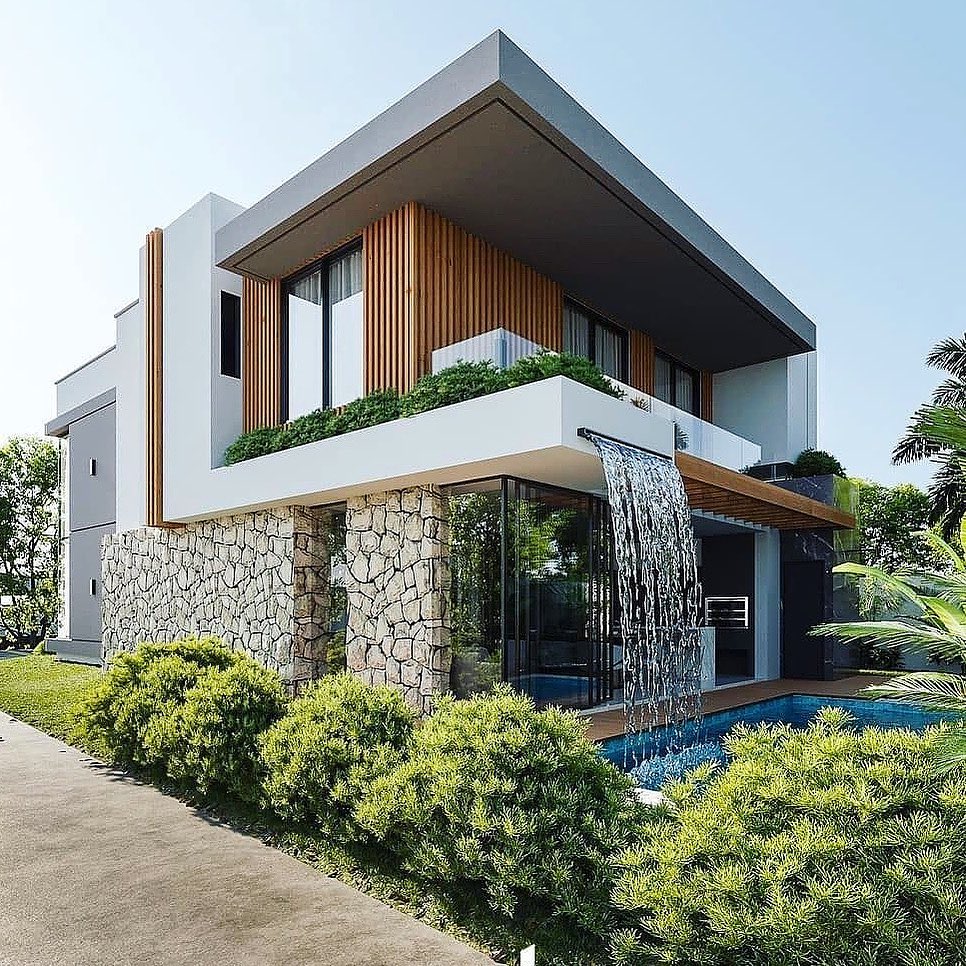
Numerous modern residences now feature expansive glass walls and integrated courtyards, seamlessly blending indoor and outdoor spaces. These designs maximize natural light, ventilation, and views, creating a sense of openness and connection to the surrounding environment. The use of natural materials, such as wood and stone, further reinforces the biophilic aesthetic.
Technological advancements have revolutionized modern house design, enabling greater efficiency, comfort, and personalization.
The Automated Residence: Seamless Functionality and Control

Smart home technologies, including automated lighting, climate control, security systems, and entertainment systems, are becoming increasingly prevalent. These systems can be controlled remotely via smartphones or voice commands, providing residents with unprecedented convenience and control over their living environment.
The 3D-Printed House: Rapid Construction and Customization
3D printing technology offers the potential to revolutionize the construction industry, enabling the rapid and cost-effective creation of customized homes. These houses can be designed to meet specific needs and preferences, and the use of sustainable materials can minimize environmental impact.
The Energy-Positive Home: Sustainable Living Through Technology
Modern houses are increasingly incorporating renewable energy technologies, such as solar panels and geothermal systems, to reduce their carbon footprint. The goal is to create energy-positive homes that generate more energy than they consume, contributing to a more sustainable future.
The exploration of new materials and construction techniques is driving innovation in modern house design.
The Use of Cross-Laminated Timber (CLT): Sustainable and Versatile
CLT, a sustainable engineered wood product, is gaining popularity in modern architecture. It offers high structural strength, thermal insulation, and fire resistance, making it a versatile material for creating unique and eco-friendly homes. The natural beauty of CLT adds a warm and inviting aesthetic to interiors.
The Application of Advanced Composites: Lightweight and Durable Structures
Advanced composites, such as carbon fiber and fiberglass, are being used to create lightweight and durable structures that can achieve complex forms and spans. These materials offer high strength-to-weight ratios, enabling the construction of cantilevered roofs, curved walls, and other innovative architectural features.
The Reclaimed and Recycled Materials: Embracing Sustainability and Character
The use of reclaimed and recycled materials, such as salvaged wood, brick, and metal, is becoming increasingly common in modern house design. This approach not only reduces waste and minimizes environmental impact but also adds character and history to the built environment.
Modern architects are challenging traditional notions of space and functionality, creating dynamic and adaptable living environments.
The Open-Plan Layout: Flexibility and Social Interaction
Open-plan layouts, characterized by the absence of dividing walls between living areas, are a hallmark of modern house design. These layouts promote flexibility, social interaction, and a sense of spaciousness.
The Multifunctional Space: Adaptability and Efficiency
Modern homes are increasingly incorporating multifunctional spaces that can be adapted to various uses. For example, a living room can be transformed into a home office or a guest bedroom. This approach maximizes space utilization and caters to the evolving needs of residents.
The Cantilevered Structure: Creating Dramatic Spaces and Views
Cantilevered structures, which extend beyond their supports, are a striking feature of many modern houses. These designs create dramatic spaces, maximize views, and add a sense of lightness and dynamism.
Modern house design is not immune to the influences of regional climates, cultural traditions, and local materials.
The Scandinavian Minimalist Home: Light, Simplicity, and Functionality
Scandinavian architecture is renowned for its minimalist aesthetic, characterized by clean lines, natural materials, and an emphasis on light and functionality. These homes are designed to maximize natural light during the long winter months and create a sense of warmth and coziness.
The Japanese Zen-Inspired Residence: Harmony, Balance, and Simplicity
Japanese architecture emphasizes harmony with nature, balance, and simplicity. Zen-inspired residences often feature minimalist interiors, natural materials, and integrated gardens, creating a sense of tranquility and serenity.
The Mediterranean Courtyard House: Embracing the Climate and Culture
Mediterranean courtyard houses, with their central open spaces, are designed to maximize ventilation and provide shade in hot climates. These designs often incorporate traditional materials, such as stucco and terracotta, reflecting the local culture and building traditions.
The future of modern house design lies in creating sustainable, human-centered, and adaptable living environments.
The Focus on Sustainability: Minimizing Environmental Impact
The increasing urgency of climate change is driving a shift towards sustainable architecture. Future homes will prioritize energy efficiency, renewable energy, and the use of eco-friendly materials.
The Emphasis on Well-Being: Creating Healthy and Comfortable Spaces
Modern house design is increasingly focusing on creating spaces that promote physical and mental well-being. This includes maximizing natural light and ventilation, incorporating biophilic elements, and creating comfortable and adaptable living environments.
The Integration of Artificial Intelligence: Enhancing Comfort and Efficiency
Artificial intelligence (AI) is poised to play a significant role in the future of smart homes. AI-powered systems can learn residents’ preferences and habits, automatically adjusting lighting, temperature, and other environmental factors to optimize comfort and efficiency.
In conclusion, unique modern house designs are a testament to the creativity, innovation, and technological prowess of contemporary architecture. These structures are not merely places to live, but expressions of our values, aspirations, and connection to the world around us. As we move forward, the focus will continue to be on creating sustainable, human-centered, and adaptable homes that meet the evolving needs of society and contribute to a more harmonious and sustainable future.


