
The Essence of Simplicity: A Deep Dive into the Modern Minimalist Home
In an age of excess and constant stimulation, the desire for simplicity has become a powerful force, particularly in the realm of residential design. The modern minimalist house, with its clean lines, uncluttered spaces, and focus on functionality, embodies this yearning for tranquility and clarity. This 3000-word exploration delves into the core principles, architectural elements, and interior design strategies that define the simple modern home, offering a comprehensive understanding of this increasingly popular aesthetic.
The modern minimalist home isn’t just a style; it’s a philosophy. It’s about consciously choosing to live with less, prioritizing quality over quantity, and creating spaces that promote peace and well-being.
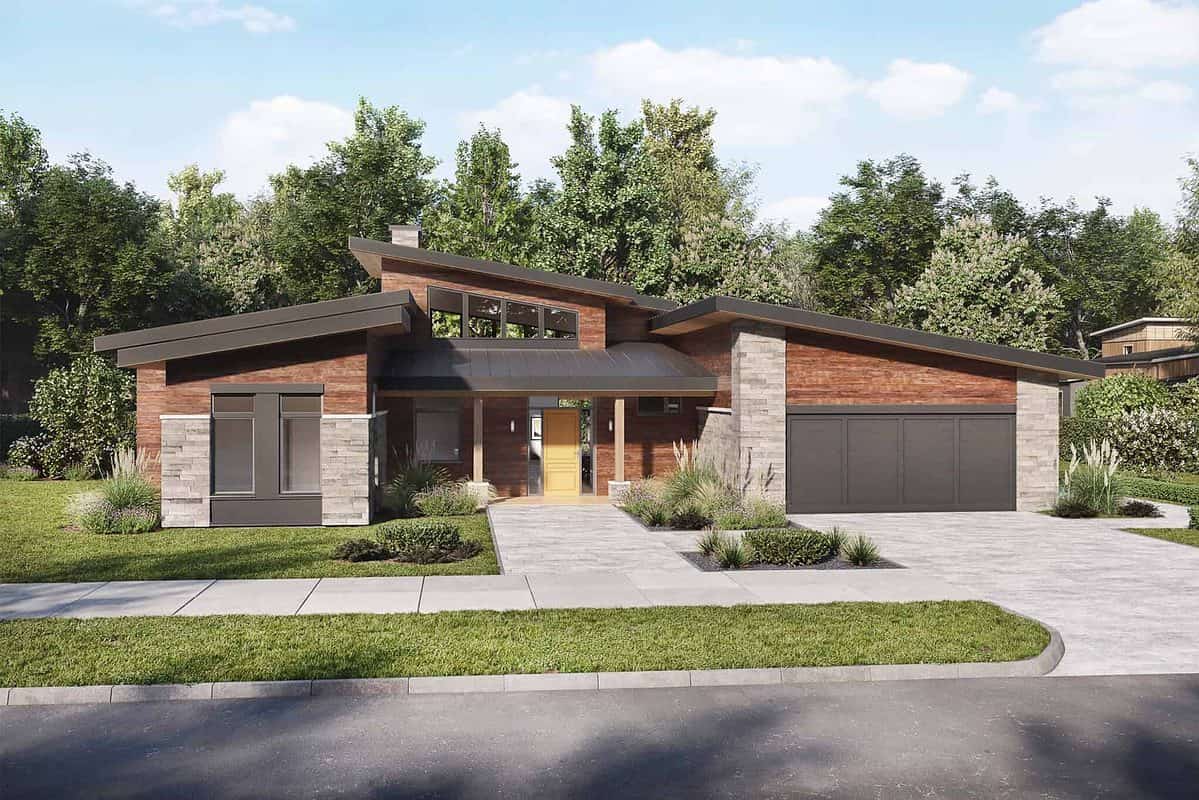
1. Functionalism as Foundation:
At the heart of modern minimalism lies functionalism. Every element, from the architectural design to the smallest decorative detail, must serve a purpose. Form follows function, ensuring that the home is not only aesthetically pleasing but also highly practical. This principle eliminates unnecessary ornamentation and promotes efficiency.
2. Embracing Negative Space:
Negative space, the empty areas surrounding objects, is a crucial element in minimalist design. It creates a sense of openness, allowing the eye to rest and the mind to find clarity. This deliberate use of empty space enhances the impact of the few carefully selected objects within the home.

3. Honesty of Materials:
Modern minimalist design celebrates the inherent beauty of raw materials. Concrete, steel, wood, and glass are often left exposed, showcasing their natural textures and colors. This honesty of materials adds a sense of authenticity and timelessness to the home.
4. Prioritizing Natural Light:
Natural light is a cornerstone of minimalist design. Large windows and skylights are strategically placed to maximize sunlight penetration, creating bright and airy interiors. This emphasis on natural light not only enhances the visual appeal of the space but also promotes a sense of well-being.
5. Sustainable Practices:
Modern minimalism often aligns with sustainable design principles. Using eco-friendly materials, incorporating energy-efficient systems, and minimizing waste are integral to creating a responsible and environmentally conscious home.
The architectural design of a minimalist home is characterized by its clean lines, geometric forms, and open floor plans.
1. Clean Lines and Geometric Forms:
Sharp angles, flat roofs, and rectangular shapes are hallmarks of minimalist architecture. These geometric forms create a sense of order and simplicity, contributing to the overall aesthetic.
2. Open Floor Plans:
Open floor plans are essential for creating a sense of spaciousness and flow. Removing unnecessary walls and partitions allows natural light to permeate the entire home and enhances the feeling of connection between different living areas.
3. Large Windows and Glass Walls:
Large windows and glass walls are crucial for maximizing natural light and creating a seamless connection between the interior and exterior. These expansive glass surfaces also provide stunning views of the surrounding landscape.
4. Flat Roofs and Cantilevers:
Flat roofs and cantilevers are common architectural features in minimalist homes. Flat roofs provide a clean and modern look, while cantilevers create dramatic overhangs that offer shade and visual interest.
5. Minimalist Facades:
Minimalist facades are characterized by their simplicity and lack of ornamentation. Smooth surfaces, neutral colors, and minimal detailing create a clean and uncluttered exterior.
The interior design of a minimalist home focuses on creating serene and uncluttered spaces that promote relaxation and well-being.
1. Neutral Color Palettes:
Neutral color palettes, such as white, gray, beige, and black, are essential for creating a minimalist aesthetic. These colors create a sense of calm and tranquility, allowing the focus to remain on the form and function of the space.
2. Minimalist Furniture:
Furniture in a minimalist home is carefully selected for its simplicity, functionality, and quality. Clean lines, simple forms, and neutral colors are key characteristics of minimalist furniture.
3. Clutter-Free Spaces:
Maintaining clutter-free spaces is crucial for creating a minimalist interior. Ample storage solutions, such as built-in cabinets and shelving, are essential for keeping belongings organized and out of sight.
4. Minimalist Decor:
Decorations in a minimalist home are kept to a minimum. A few carefully selected pieces, such as artwork, plants, or sculptural objects, can add visual interest without overwhelming the space.
5. Natural Materials and Textures:
Incorporating natural materials and textures, such as wood, stone, and linen, adds warmth and depth to a minimalist interior. These materials create a sense of connection to nature and enhance the overall aesthetic.
6. Integrated Technology:
Technology in a minimalist home is seamlessly integrated into the design. Smart home systems, hidden wiring, and minimalist appliances contribute to a clean and uncluttered look.
7. Lighting as Art:
Lighting plays a crucial role in minimalist design. Simple and elegant light fixtures are used to create a warm and inviting atmosphere. Recessed lighting, pendant lights, and floor lamps are often used to highlight architectural features and create focal points.
8. The Importance of Organization:
A minimalist home cannot thrive without a strong focus on organization. Every item should have a designated place, and regular decluttering is essential for maintaining a sense of order and peace.
To illustrate the principles and strategies discussed, let’s examine a few hypothetical case studies of simple modern homes.
Case Study 1: The Urban Minimalist Loft:
This loft apartment in a bustling city center exemplifies minimalist principles. The open floor plan maximizes space, while large windows provide ample natural light and stunning city views. The interior features a neutral color palette, minimalist furniture, and carefully selected artwork. Built-in storage solutions keep the space clutter-free, and integrated technology enhances the functionality of the home.
Case Study 2: The Rural Minimalist Retreat:
Nestled in a serene countryside setting, this single-family home embraces the beauty of nature. Large glass walls and sliding doors seamlessly connect the interior with the surrounding landscape. The architecture features clean lines, a flat roof, and exposed concrete walls. The interior features natural materials, such as wood and stone, and minimalist furniture that complements the architectural design.
Case Study 3: The Compact Minimalist Townhouse:
This narrow townhouse in a densely populated urban area maximizes space through clever design solutions. The open floor plan creates a sense of spaciousness, while vertical storage solutions and multi-functional furniture optimize the use of space. The interior features a neutral color palette, minimalist decor, and integrated technology.
The appeal of simple modern homes lies in their ability to create serene and uncluttered spaces that promote peace and well-being. In an increasingly complex world, these homes offer a sanctuary from the chaos of everyday life. By embracing the principles of functionalism, minimalism, and sustainability, homeowners can create spaces that are not only aesthetically pleasing but also deeply fulfilling.
The simple modern home is more than just a trend; it’s a reflection of a growing desire for a more mindful and intentional way of living. As we continue to prioritize simplicity, functionality, and sustainability, the influence of minimalist design is likely to grow even stronger.


