
Small Modern house Design Philippines: A Guide
The Philippines, an archipelago of stunning natural beauty, boasts a vibrant culture and a unique architectural style. In recent years, there’s been a growing trend towards embracing modern design principles in residential construction, particularly in smaller homes. This shift reflects the evolving needs and preferences of Filipinos, prioritizing functionality, efficiency, and a minimalist aesthetic. This article will delve into the key aspects of small modern house design in the Philippines, exploring its defining characteristics, advantages, and considerations for those contemplating such a project.
1.1 Minimalism and Simplicity
A hallmark of modern design is its emphasis on minimalism and simplicity. This translates to clean lines, uncluttered spaces, and a focus on essential elements. Ornate details and excessive ornamentation are typically eschewed in favor of a streamlined and unadorned aesthetic.
1.2 Open Floor Plans

Small modern homes in the Philippines often feature open floor plans that seamlessly connect living, dining, and kitchen areas. This creates a sense of spaciousness and allows for greater flexibility in furniture arrangement and daily living.
1.3 Natural Light and Ventilation
Maximizing natural light and ventilation is crucial in the tropical climate of the Philippines. Large windows, skylights, and strategically placed openings allow for ample airflow and reduce reliance on artificial lighting and cooling systems.
1.4 Integration of Indoor and Outdoor Spaces
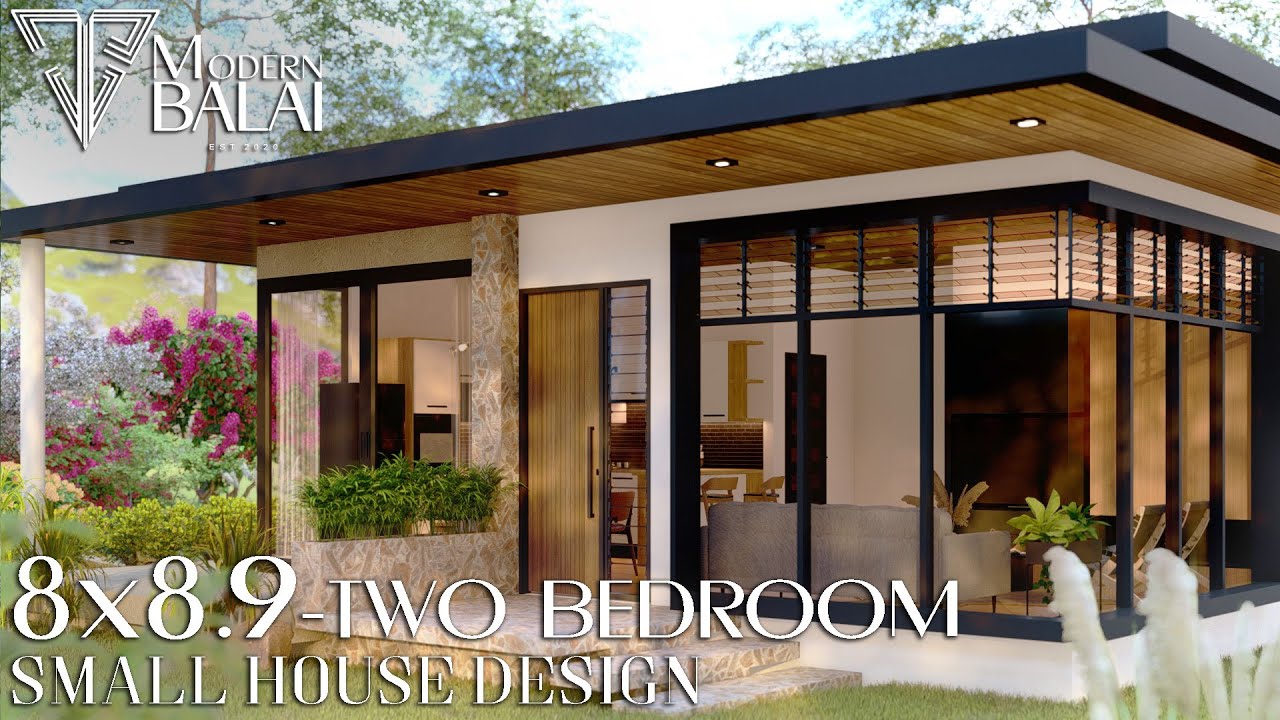
Blurring the lines between indoor and outdoor spaces is a key feature of modern design. Verandas, patios, and balconies are often incorporated to extend living areas and enhance the connection to the surrounding environment.
1.5 Sustainable Features
Environmental consciousness is increasingly important in modern home design. Sustainable features such as rainwater harvesting systems, solar panels, and energy-efficient appliances are being incorporated into many small modern homes in the Philippines.
2.1 Affordability
Small modern homes generally require less material and labor, making them more affordable to build and maintain. This is particularly beneficial in a country where land and construction costs can be significant.
2.2 Efficiency and Functionality
Modern design principles prioritize efficiency and functionality. Small modern homes are carefully planned to maximize every square meter, ensuring that every space serves a purpose.
2.3 Ease of Maintenance
With their minimalist aesthetic and streamlined design, small modern homes are typically easier to clean and maintain than larger, more elaborate houses.
2.4 Reduced Environmental Impact
Smaller homes generally have a lower environmental footprint, requiring less energy and resources for construction and operation.
2.5 Adaptability
The open floor plans and flexible spaces of small modern homes allow for easy adaptation to changing needs and lifestyles.
3.1 Climate Considerations
The tropical climate of the Philippines requires careful consideration of factors such as heat, humidity, and rainfall. Design elements such as proper ventilation, shading, and waterproof materials are essential.
3.2 Local Building Codes and Regulations
It’s crucial to be familiar with local building codes and regulations before embarking on a construction project. This will ensure that your home complies with all necessary requirements.
3.3 Material Selection
Selecting durable and weather-resistant materials is essential for a long-lasting and low-maintenance home. Local and readily available materials can help reduce construction costs and environmental impact.
3.4 Space Optimization
In a small home, efficient space utilization is paramount. Multipurpose furniture, built-in storage, and vertical space optimization can help maximize living areas.
3.5 Budgeting and Planning
Thorough budgeting and planning are essential for a successful construction project. This involves creating a detailed budget, obtaining necessary permits, and hiring qualified contractors.
4.1 Roof Design
Modern small house design often includes simple roof designs, such as flat or gable roofs. Materials such as metal roofing, which is known for its durability and reflective properties, are commonly used.
4.2 Wall Finishes
Clean, smooth wall finishes are typical in modern homes. Painted concrete or plastered walls are common choices. Incorporating natural materials like wood accents also adds character.
4.3 Window and Door Design
Large windows and sliding glass doors are prevalent, allowing for abundant natural light and seamless transitions between indoor and outdoor spaces. Aluminum or PVC window and door frames offer durability and low maintenance.
4.4 Flooring Choices
Tile flooring is a popular choice due to its durability, ease of cleaning, and ability to keep the house cool. Polished concrete floors also add a modern touch.
4.5 Interior Design and Furnishings
Simple, minimalist furniture with clean lines complements the modern design. Light, neutral color palettes are often used to create a spacious and airy feel.
5.1 Rainwater Harvesting
Rainwater harvesting systems collect and store rainwater for various uses, such as watering plants, flushing toilets, and cleaning. This reduces reliance on municipal water supplies.
5.2 Solar Panels
Solar panels convert sunlight into electricity, providing a sustainable and cost-effective source of energy. This reduces energy bills and the environmental impact.
5.3 Natural Ventilation
Strategic placement of windows and openings allows for natural airflow, reducing the need for air conditioning. Cross ventilation is vital.
5.4 Green Building Materials
Using sustainable building materials, such as bamboo, recycled materials, and sustainably sourced timber, minimizes environmental impact.
5.5 Landscaping and Green Spaces
Incorporating green spaces, such as gardens and vertical gardens, improves air quality, reduces heat gain, and enhances the overall aesthetic appeal.
6.1 Smart Home Technology
Integration of smart home technology, such as automated lighting, temperature control, and security systems, is becoming increasingly common.
6.2 Prefabricated and Modular Construction
Prefabricated and modular construction methods offer faster and more efficient building processes, reducing construction time and costs.
6.3 Adaptable and Flexible Spaces
Design trends lean toward highly adaptable interiors, with movable partitions or multi-use areas that change depending on current needs.
6.4 Biophilic Design
Biophilic design, which emphasizes the connection between humans and nature, is gaining popularity. This involves incorporating natural elements such as plants, natural light, and natural materials into the design.
6.5 Increased Focus on Energy Efficiency
As energy costs rise, there’s a growing emphasis on energy-efficient designs, including highly insulated walls, efficient windows, and renewable energy sources.
Small modern house design in the Philippines offers a compelling solution for those seeking affordable, efficient, and sustainable living spaces. By embracing minimalism, optimizing space, and integrating sustainable practices, homeowners can create comfortable and stylish homes that meet their evolving needs. As trends in architecture and technology continue to advance, small modern house designs will likely become even more prevalent in the Philippine landscape. Through effective planning, good design and thoughtful material use, anyone can realize the dream of a beautiful modern home.


