
The Subterranean Sanctuary: Exploring the Modern Underground Garage
The modern home is a canvas for innovation, a space where form and function intertwine to create a personalized haven. And increasingly, the desire for seamless integration of amenities, coupled with the challenges of space constraints and aesthetic preservation, has driven the evolution of the underground garage. This architectural marvel, once relegated to the realm of luxury estates, is now finding its place in a wider range of contemporary homes, offering a blend of practicality, security, and visual appeal.
The Appeal of Going Below Ground
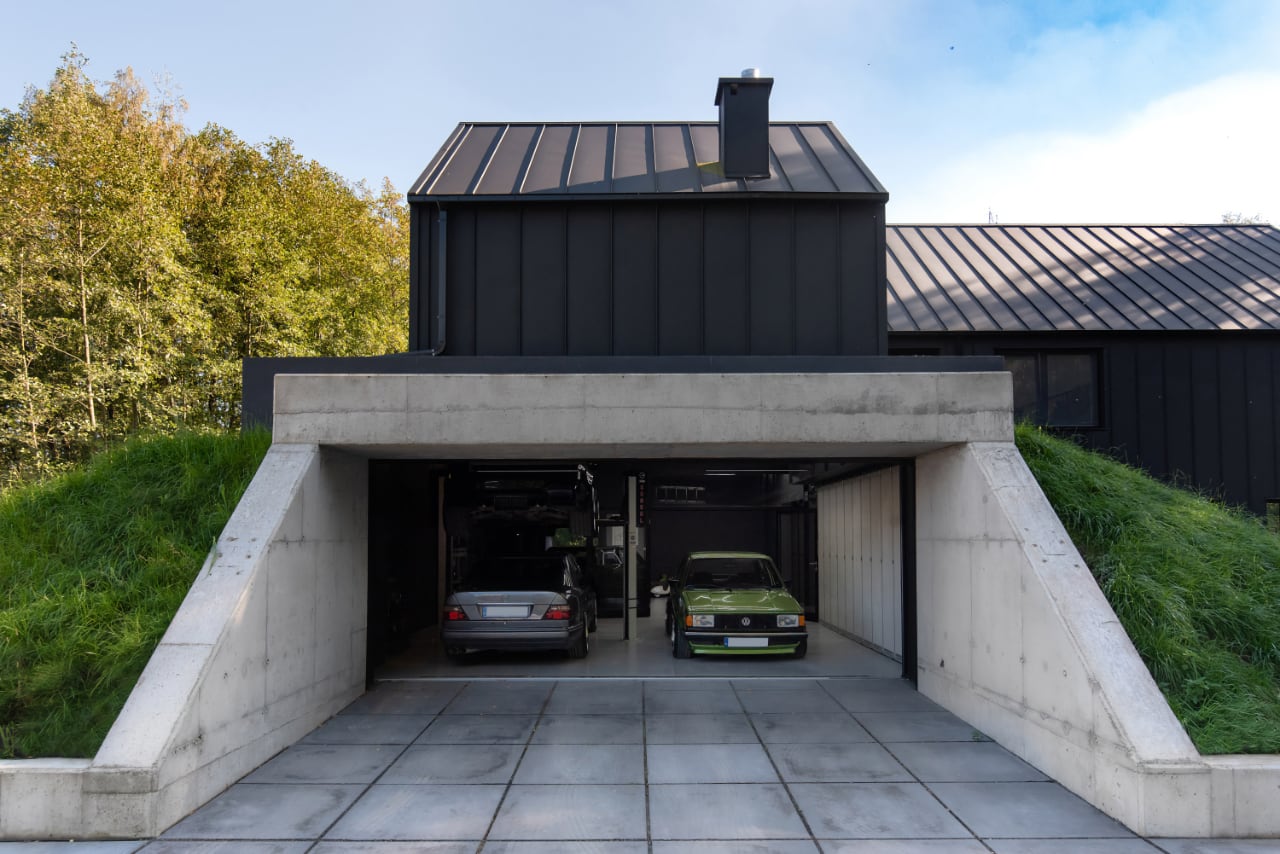
The allure of the underground garage stems from a multitude of factors, each contributing to its growing popularity.
Space Optimization and Landscaping
In densely populated urban areas, where land is at a premium, the underground garage provides a clever solution to maximize usable space. By relocating the garage beneath the surface, homeowners can reclaim valuable ground-level space for landscaping, gardens, pools, or expanded living areas. This integration allows for a more harmonious relationship between the built environment and the natural surroundings, creating a sense of spaciousness and tranquility.
Enhanced Security and Privacy
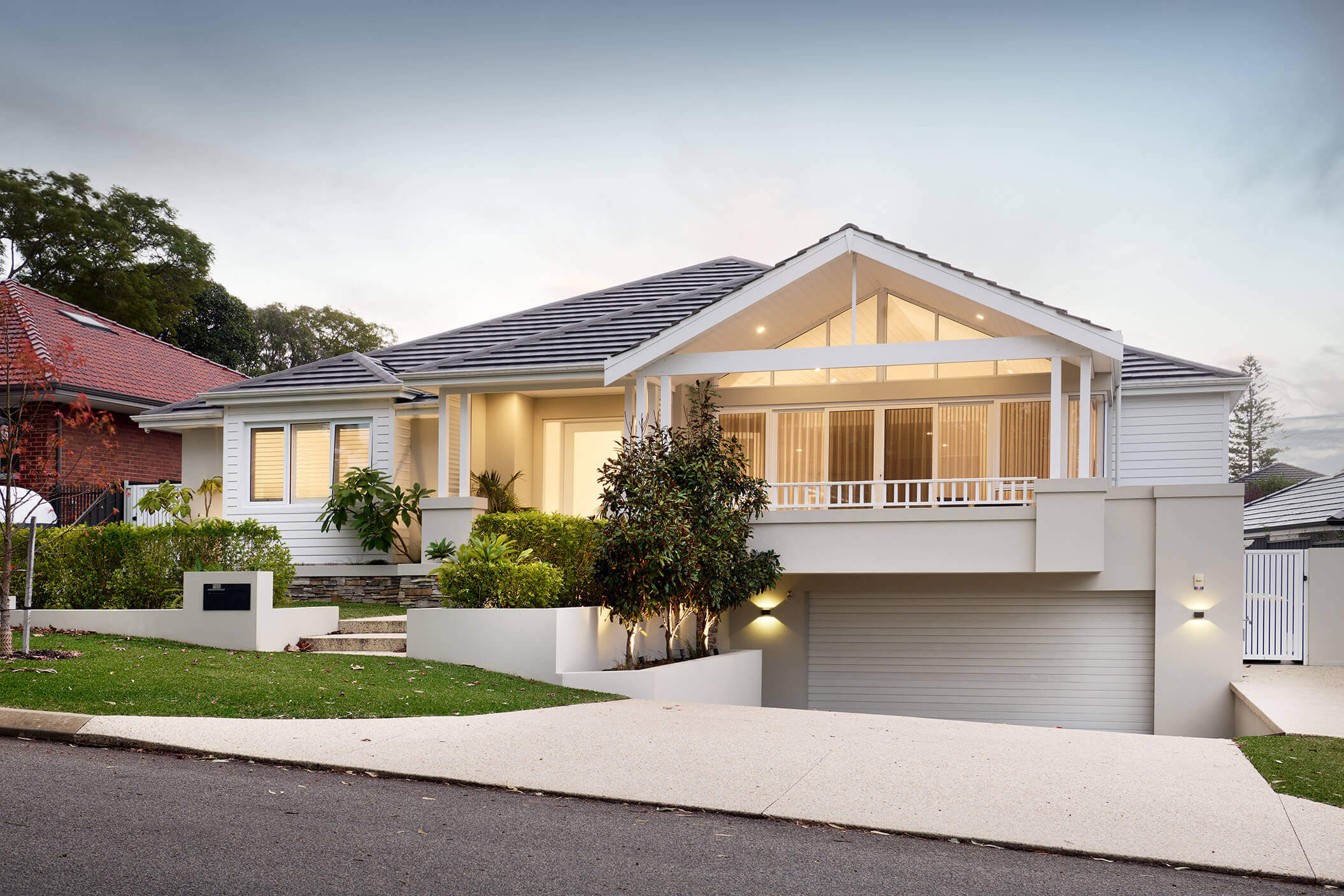
An underground garage offers a significant boost in security and privacy. Vehicles are shielded from the elements and concealed from prying eyes, reducing the risk of theft and vandalism. The enclosed nature of the space also provides a sense of seclusion, creating a private haven for vehicle maintenance, storage, or even a dedicated workshop.
Aesthetic Integration and Architectural Harmony
The underground garage allows for a seamless integration with the overall architectural design of the home. By eliminating the need for a traditional above-ground garage structure, architects can create a more streamlined and cohesive aesthetic. The absence of a bulky garage door at street level enhances the curb appeal of the property, preserving the architectural vision and creating a more visually appealing façade.
Climate Control and Energy Efficiency
The earth’s natural insulating properties provide a degree of climate control for underground garages. The consistent temperature of the earth helps to regulate the temperature within the garage, reducing the need for extensive heating or cooling systems. This can lead to significant energy savings and a more sustainable approach to home design.
Noise Reduction
The subterranean nature of the garage effectively dampens noise, minimizing the impact of vehicle engines and garage door operations on the surrounding environment. This is particularly beneficial in densely populated areas where noise pollution can be a concern.
The Engineering and Design Considerations
Constructing an underground garage is a complex undertaking that requires careful planning and execution. Several key engineering and design considerations must be addressed to ensure the project’s success.
Site Analysis and Soil Conditions
A thorough site analysis is crucial to determine the feasibility of an underground garage. Soil conditions, groundwater levels, and the presence of bedrock must be carefully assessed to ensure the structural integrity of the excavation and foundation.
Excavation and Shoring
The excavation process requires specialized equipment and expertise. Shoring systems are essential to prevent soil collapse and ensure the safety of workers during construction. The depth and size of the excavation will depend on the size and configuration of the garage.
Waterproofing and Drainage
Waterproofing is a critical aspect of underground garage construction. Effective drainage systems are essential to prevent water infiltration and maintain a dry and usable space. This may involve the use of waterproof membranes, sump pumps, and drainage pipes.
Structural Support and Foundation
The foundation and structural support system must be designed to withstand the weight of the earth above and the loads imposed by vehicles and other equipment. Reinforced concrete is commonly used for the walls and floor of the garage, providing strength and durability.
Ventilation and Lighting
Adequate ventilation is essential to remove exhaust fumes and ensure air quality within the garage. Natural ventilation can be achieved through strategically placed openings, while mechanical ventilation systems may be required for larger or deeper garages. Lighting is also crucial for safety and functionality. LED lighting is a popular choice due to its energy efficiency and long lifespan.
Access and Entry Systems
The design of the access and entry system is a key consideration. Ramps, elevators, or car lifts can be used to provide access to the underground garage. The choice of access system will depend on the site conditions, the desired level of convenience, and the available budget.
Security Systems
Security systems are essential to protect vehicles and belongings stored in the underground garage. This may include security cameras, motion sensors, access control systems, and alarm systems.
Modern Innovations and Technological Advancements
The evolution of the underground garage has been driven by advancements in technology and innovative design solutions.
Automated Parking Systems
Automated parking systems, such as robotic parking lifts and turntables, can maximize the use of space within the underground garage. These systems allow for efficient storage and retrieval of vehicles, reducing the need for maneuvering space.
Smart Home Integration
Smart home technology can be integrated with the underground garage to provide remote access, climate control, and security monitoring. This allows homeowners to control and monitor their garage from anywhere using their smartphones or other devices.
Electric Vehicle Charging Infrastructure
As electric vehicles become increasingly popular, the integration of charging infrastructure into underground garages is essential. This may involve the installation of dedicated charging stations and electrical wiring.
Green Building Practices
Sustainable building practices can be incorporated into the design and construction of underground garages. This may include the use of recycled materials, energy-efficient lighting and ventilation systems, and rainwater harvesting systems.
Luxury Finishes and Customization
Underground garages can be customized to reflect the homeowner’s personal style and preferences. This may involve the use of luxury finishes, such as polished concrete floors, custom cabinetry, and designer lighting fixtures.
Multifunctional Spaces
Underground garages can be designed to serve multiple functions, such as a workshop, a home gym, or a wine cellar. This allows homeowners to maximize the use of the space and create a personalized environment.
The Future of Underground Garages
As urban populations continue to grow and land becomes increasingly scarce, the underground garage is poised to become an even more prevalent feature of modern homes. Advancements in technology and innovative design solutions will continue to drive the evolution of this architectural marvel.
Increased Adoption in Urban Environments
The underground garage will likely see increased adoption in densely populated urban areas where space is at a premium. This trend will be driven by the need to maximize usable space and create more livable environments.
Integration with Sustainable Building Practices
Sustainable building practices will become increasingly important in the design and construction of underground garages. This will involve the use of eco-friendly materials, energy-efficient systems, and rainwater harvesting techniques.
Advancements in Automated Parking Systems
Automated parking systems will become more sophisticated and widely available, allowing for more efficient use of space within underground garages. Robotic parking lifts and turntables will become increasingly common.
Integration with Smart Home Technology
Smart home technology will play an even greater role in the management and control of underground garages. This will involve the integration of remote access, climate control, and security monitoring systems.
Development of Multifunctional Spaces
Underground garages will continue to evolve into multifunctional spaces that serve a variety of purposes. This will allow homeowners to maximize the use of the space and create personalized environments.
The underground garage represents a significant advancement in modern home design, offering a blend of practicality, security, and aesthetic appeal. As technology continues to evolve and urban populations grow, this architectural marvel is poised to play an increasingly important role in shaping the homes of the future.


