
The Ugly Modern house: A Critique
The modern house, in its quest for simplicity and functionality, often stumbles into the realm of the aesthetically unappealing. While proponents champion its efficiency and minimalist aesthetic, many critics argue that these designs often prioritize function over form, resulting in structures that are stark, cold, and ultimately, ugly. This article will delve into the key factors contributing to the perceived ugliness of many modern houses, examining their architectural features, material choices, and the broader cultural context that shapes their design.
1. The Tyranny of the Box: A Lack of Visual Interest
One of the most common criticisms leveled against modern houses is their monotonous boxiness. The relentless pursuit of clean lines and geometric shapes often leads to a lack of visual interest.
Excessive use of cubes and rectangles: Many modern houses resemble stacked boxes, devoid of any significant variation in form. This uniformity can create a sense of monotony and a lack of visual dynamism.
2. A Cold and Unwelcoming Facade: Material Choices and Color Palettes
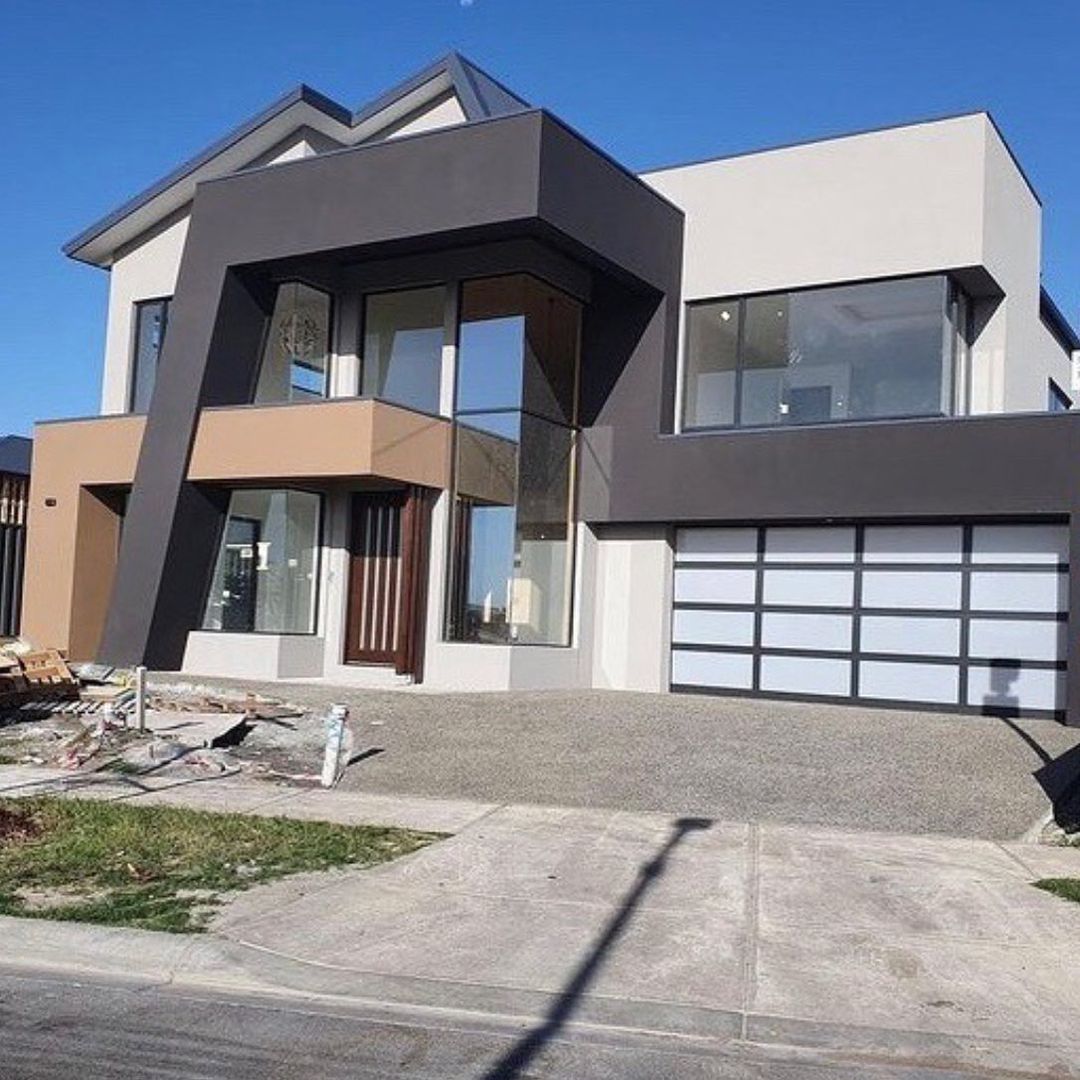
The choice of materials plays a significant role in shaping the aesthetic appeal of a building. Many modern houses, in their pursuit of a sleek and minimalist look, employ materials that can appear cold and uninviting.
Predominance of concrete, steel, and glass: While these materials offer durability and low maintenance, they can create a stark and industrial feel that lacks warmth and character.
3. A Disregard for Context: Houses Out of Place
Modern architecture often prioritizes a universal aesthetic, disregarding the unique character and context of the surrounding environment.
Ignoring local building traditions: Many modern houses clash with the existing architectural character of their neighborhoods, appearing out of place and jarring to the eye.
4. The Cult of the Minimalist: A Sterile and Soul-Less Aesthetic
The modern movement’s emphasis on function and simplicity has led to a minimalist aesthetic that some find sterile and soul-less.
Over-reliance on open-plan living: While open-plan living can create a sense of spaciousness, it can also lead to a lack of intimacy and a feeling of being constantly on display.
5. The Impact of Mass Production: A Loss of Individuality
The rise of mass production has contributed to the proliferation of cookie-cutter modern houses, lacking the unique character and craftsmanship of traditional architecture.
Prefabricated components and standardized designs: The use of prefabricated components and standardized designs can lead to a lack of individuality and a sense of sameness.
6. The Role of Cultural Trends: A Shifting Perception of Beauty
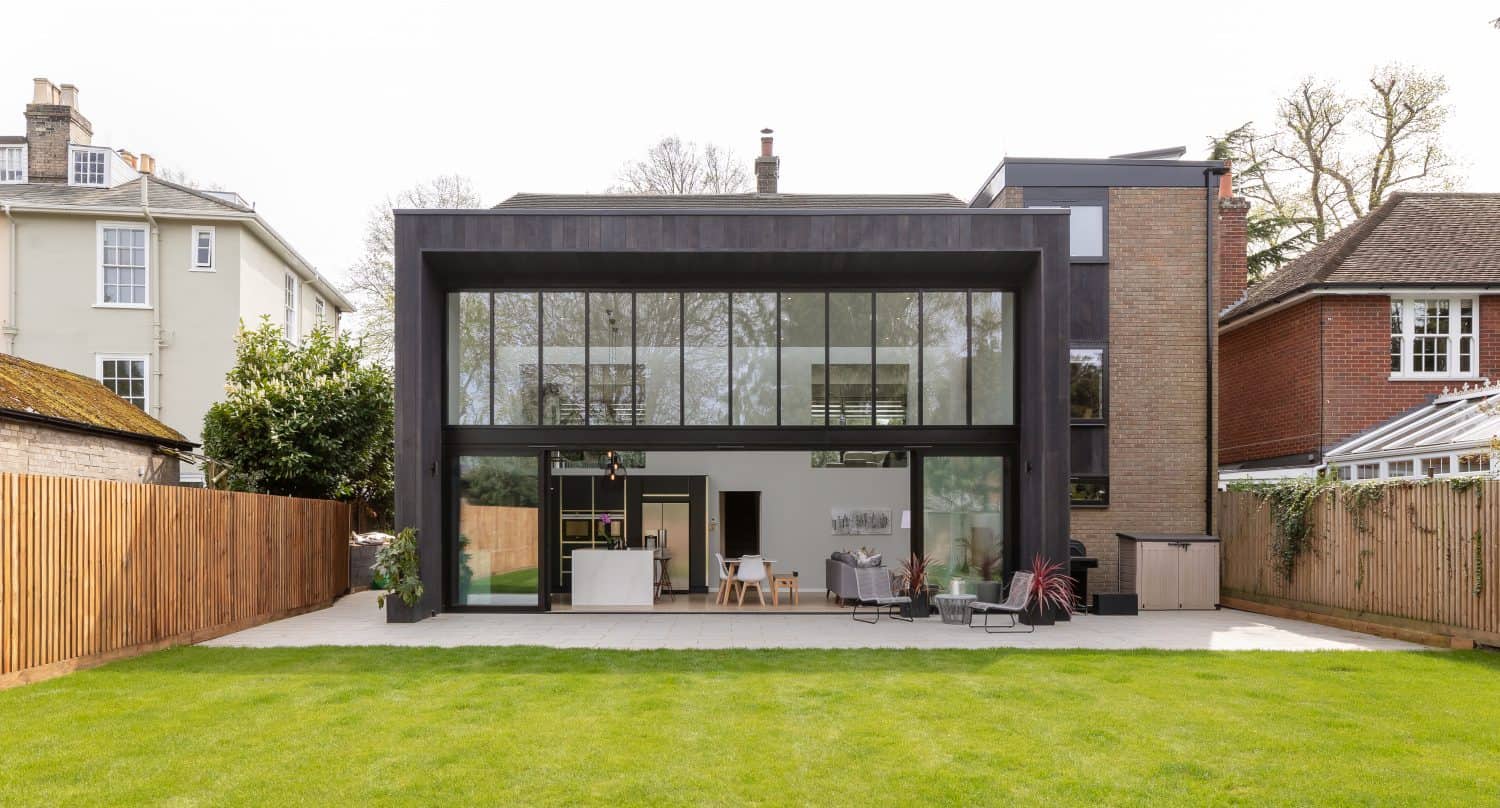
The perception of beauty is subjective and constantly evolving. Cultural trends and shifts in aesthetic values have played a significant role in shaping the evolution of modern architecture.
The rise of minimalism and industrial aesthetics: The growing popularity of minimalist and industrial aesthetics has influenced the design of many modern houses, emphasizing clean lines, stark forms, and a focus on functionality.
7. Finding Beauty in the Unexpected: A Call for More Human-Centered Design
Despite the criticisms, there is undeniable beauty to be found in well-executed modern architecture. However, to truly appreciate and embrace modern design, we need to move beyond a simplistic focus on form and function.
Prioritizing human experience: Modern houses should be designed with human experience at their core, creating spaces that are not only functional but also comfortable, inviting, and inspiring.
In conclusion, while the modern house often faces criticism for its perceived ugliness, it is important to acknowledge the potential for beauty and innovation within this architectural style. By prioritizing human experience, embracing imperfection, and celebrating individuality, we can create modern houses that are not only functional and efficient but also aesthetically pleasing and truly inspiring.


