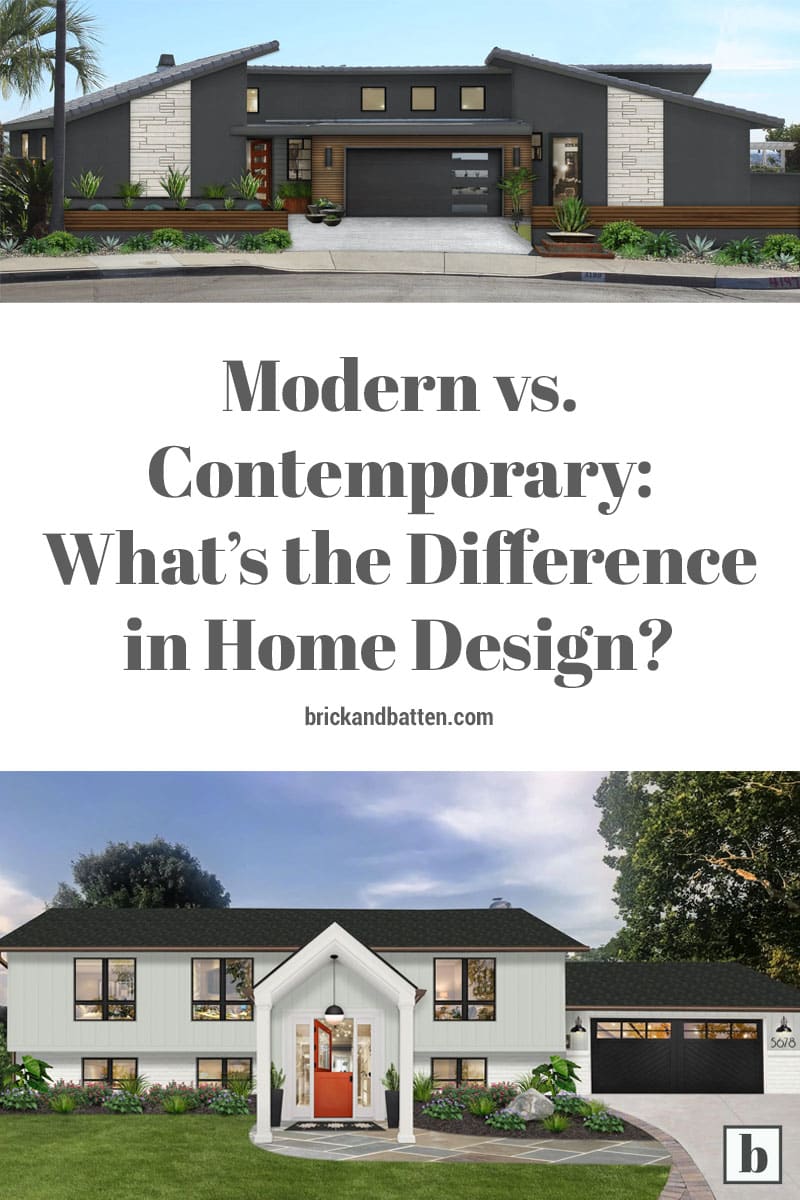
Modern vs. Contemporary house: Decoding Architectural Styles for Today’s Homeowner
The terms “modern” and “contemporary” are often used interchangeably when discussing architectural and interior design, leading to significant confusion. While both styles share a penchant for clean lines and a rejection of traditional ornamentation, they represent distinct approaches to design, rooted in different eras and philosophies. Understanding the nuances between these two styles is crucial for homeowners looking to cultivate a specific aesthetic and functionality in their living spaces. This comprehensive exploration delves into the core differences between modern and contemporary houses, examining their origins, key characteristics, and practical implications for today’s living.
Origins and Defining Philosophies:
Modern Architecture: A Product of the Early 20th Century
Modern Design vs. Contemporary Design
Modern architecture, a movement that flourished roughly from the early to mid-20th century, arose from a desire to break away from the ornate, historically-inspired styles that had dominated the preceding centuries. The Industrial Revolution, with its new materials and manufacturing techniques, played a pivotal role in shaping this movement. Architects like Le Corbusier, Mies van der Rohe, and Frank Lloyd Wright championed a functional, minimalist approach, emphasizing simplicity, efficiency, and the integration of buildings with their surroundings.
Key principles of modern architecture include:
Form follows function: This core tenet dictates that the design of a building should prioritize its purpose and usability over purely aesthetic considerations.
Rejection of ornamentation: Modern architecture eschews decorative embellishments in favor of clean lines, smooth surfaces, and a focus on essential forms.
Use of industrial materials: Steel, concrete, and glass were embraced for their strength, versatility, and modern aesthetic.
Open floor plans: Modern homes often feature open, flowing spaces that promote a sense of spaciousness and connectivity.
Integration with nature: Large windows, sliding glass doors, and outdoor living spaces blur the lines between indoors and outdoors.
Contemporary Architecture: A Constantly Evolving Style
Modern vs. Contemporary Home Design In – brick&batten
In contrast to modern architecture, which is rooted in a specific historical period, contemporary architecture is a dynamic and ever-evolving style. It reflects the current trends and innovations in design, incorporating elements from various movements and responding to the changing needs and preferences of contemporary society.
Contemporary architecture is characterized by:
Flexibility and adaptability: It embraces a wide range of styles and influences, allowing for greater creativity and personalization.
Sustainability and eco-consciousness: Contemporary designs often prioritize energy efficiency, the use of sustainable materials, and the integration of green technologies.
Technological integration: Smart home features, automated systems, and advanced building technologies are frequently incorporated into contemporary homes.
Emphasis on natural light: Large windows, skylights, and open layouts maximize natural light, creating bright and airy spaces.
Exploration of new forms and materials: Contemporary architects are constantly experimenting with innovative materials and construction techniques, pushing the boundaries of design.
Key Characteristics: Distinguishing Features:
Modern House: Defined by Specific Elements
Flat roofs: A hallmark of modern architecture, flat roofs create a clean, minimalist silhouette.
Large expanses of glass: Floor-to-ceiling windows and sliding glass doors are common features, maximizing natural light and offering panoramic views.
Clean lines and geometric forms: Modern homes are characterized by simple, geometric shapes and a lack of decorative details.
Natural materials: Wood, stone, and brick are often used to create a warm and inviting atmosphere.
Emphasis on horizontal lines: Horizontal lines are often emphasized to create a sense of groundedness and connection to the landscape.
Minimalist interiors: Furniture and decor are kept to a minimum, focusing on functionality and simplicity.
Open floor plans: The open floor plan is a key element, creating a sense of spaciousness and flow.
Contemporary House: A Blend of Influences
Varied rooflines: Contemporary homes may feature flat roofs, pitched roofs, or a combination of both, depending on the specific design.
Large windows and skylights: Natural light is a key focus, with large windows and skylights used to create bright and airy spaces.
Combination of materials: Contemporary designs often incorporate a mix of materials, such as wood, steel, glass, and concrete, creating visual interest and texture.
Emphasis on vertical and horizontal lines: Both vertical and horizontal lines are used to create a sense of balance and harmony.
Flexible and adaptable spaces: Contemporary homes are designed to accommodate changing needs and lifestyles, with flexible layouts and multi-functional spaces.
Integration of technology: Smart home features, automated systems, and energy-efficient technologies are often incorporated.
Sustainable design: Contemporary homes often prioritize sustainability, using eco-friendly materials and incorporating green technologies.
Practical Implications for Homeowners:
Modern House: A Timeless Aesthetic
A modern house offers a timeless aesthetic that is both elegant and functional.
The emphasis on simplicity and minimalism can create a sense of calm and order.
The use of natural materials and large windows can create a strong connection to the outdoors.
However, the minimalist aesthetic may not appeal to everyone, and the open floor plans can sometimes lack privacy.
Modern houses can sometimes require more energy for heating and cooling due to large glass surfaces.
Contemporary House: Embracing Innovation and Personalization
A contemporary house offers a high degree of flexibility and personalization, allowing homeowners to create a space that reflects their unique style and needs.
The focus on sustainability and technology can lead to a more comfortable and energy-efficient home.
Contemporary designs can be more adaptable to changing lifestyles and family needs.
The ever-evolving nature of contemporary design means that a home may feel dated more quickly than a modern home.
Because of the wide range of styles within contemporary design, cost can vary wildly.
Making the Right Choice:
Ultimately, the choice between a modern and contemporary house depends on individual preferences, lifestyle, and budget. Consider the following factors when making your decision:
Personal style: Do you prefer the timeless elegance of modern design or the innovative and adaptable nature of contemporary design?
Lifestyle: Do you need a flexible and adaptable space or a more structured and minimalist environment?
Budget: Contemporary design can encompass a broad range of budgets, while modern design often requires a significant investment in high-quality materials and craftsmanship.
Location: The climate and surroundings of your location can influence the suitability of different architectural styles.
Future needs: Consider how your needs and preferences may change over time.
By understanding the key differences between modern and contemporary architecture, homeowners can make informed decisions about their living spaces, creating homes that are both beautiful and functional. Whether you are drawn to the timeless elegance of modern design or the innovative spirit of contemporary architecture, the right choice will ultimately reflect your unique vision and lifestyle.