
The Victorian Modern: A Symbiotic Dance of Heritage and Innovation
The Victorian era, a period of unprecedented industrial and societal transformation, left an indelible mark on architectural styles. From the ornate grandeur of Gothic Revival to the picturesque charm of Arts and Crafts, Victorian homes stand as testaments to a time of both opulence and burgeoning modernity. However, the 21st century has witnessed a fascinating evolution: the rise of the “Victorian Modern” house, a dwelling that masterfully blends the rich historical fabric of Victorian architecture with the sleek, functional aesthetics of contemporary design. This article delves into the nuances of this captivating architectural hybrid, exploring its defining characteristics, the motivations behind its emergence, and the challenges and triumphs of its creation.
To understand the Victorian Modern, one must first appreciate the architectural legacies it draws upon. Victorian homes, built during the reign of Queen Victoria (1837-1901), were diverse in style but shared certain common threads.
Ornate Detailing and Rich Textures
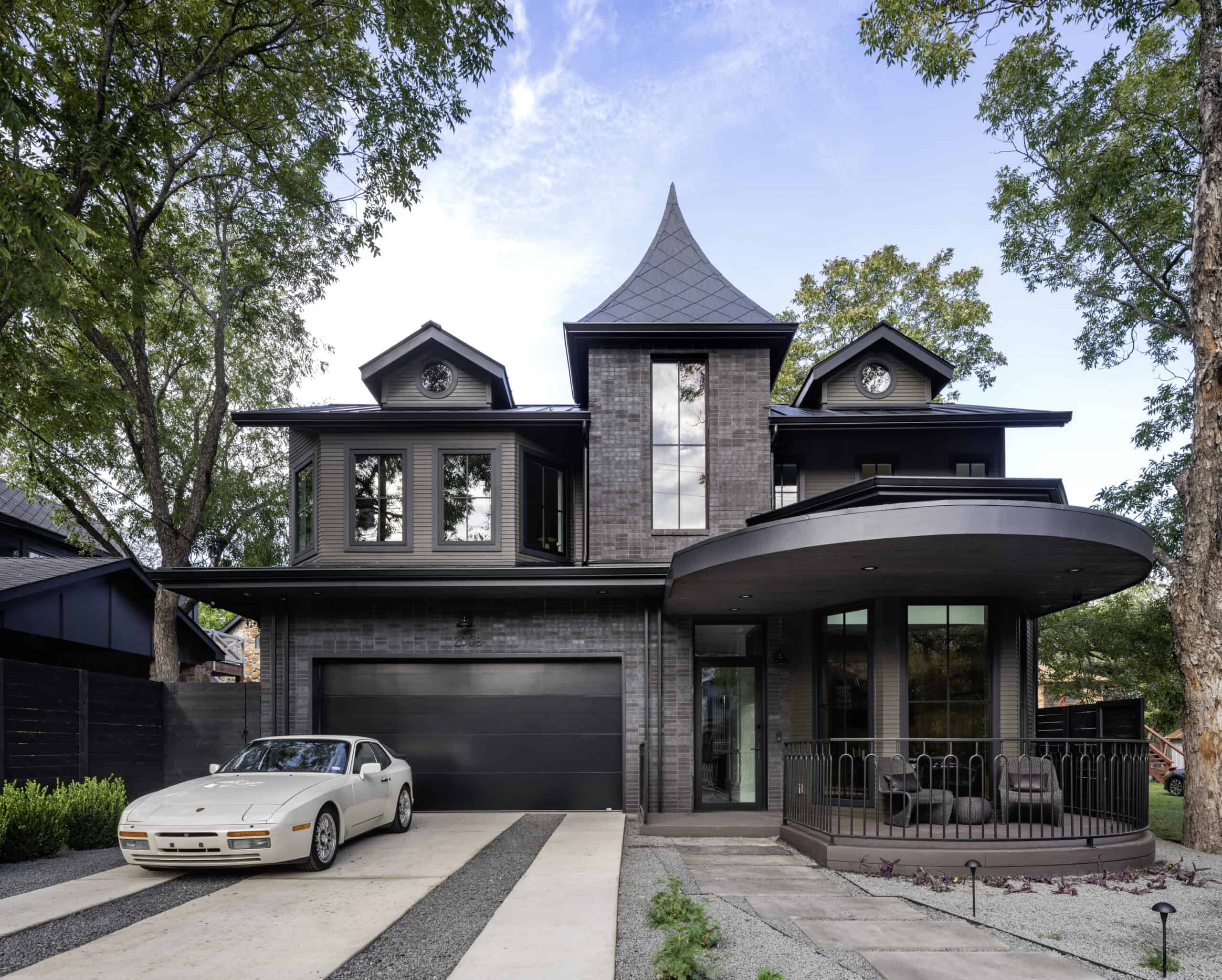
Victorian architecture was renowned for its elaborate ornamentation. From intricate brickwork and terracotta details to decorative plasterwork and stained glass windows, these homes were designed to impress. The emphasis on craftsmanship and the use of high-quality materials created a sense of permanence and grandeur.
Generous Proportions and Formal Layouts
Victorian houses often featured high ceilings, spacious rooms, and formal layouts, reflecting the social conventions of the time. Separate rooms for dining, drawing, and receiving guests were commonplace, emphasizing the importance of social hierarchy and etiquette.
Varied Architectural Styles
The Victorian era encompassed a range of architectural styles, including Gothic Revival, Italianate, Queen Anne, and Arts and Crafts. Each style brought its own unique characteristics, contributing to the eclectic and visually rich landscape of Victorian architecture.

The Victorian Modern, however, is not merely a nostalgic revival. It is a conscious effort to integrate the best of Victorian architecture with the principles of modern design.
Open-Plan Living and Flexible Spaces
In contrast to the compartmentalized layouts of traditional Victorian homes, the Victorian Modern embraces open-plan living. This approach prioritizes fluidity and flexibility, creating spaces that can adapt to the evolving needs of modern families.
Clean Lines and Minimalist Aesthetics
While retaining the ornate detailing of Victorian architecture, the Victorian Modern often incorporates clean lines and minimalist aesthetics. This creates a sense of balance and harmony, preventing the historical elements from overwhelming the contemporary design.
Natural Light and Sustainable Materials
Modern design places a strong emphasis on natural light and sustainable materials. Large windows, skylights, and strategically placed openings are used to maximize daylight, reducing the need for artificial lighting. Sustainable materials, such as reclaimed wood, recycled steel, and eco-friendly insulation, are often incorporated to minimize the environmental impact.
The true magic of the Victorian Modern lies in its ability to seamlessly merge the past and the present. This is achieved through a careful and thoughtful approach to design, where historical elements are preserved and enhanced, while modern features are integrated in a way that feels natural and cohesive.
Preserving Historical Features
Original Victorian features, such as fireplaces, stained glass windows, and decorative moldings, are often restored and preserved as focal points. These elements serve as a tangible link to the past, adding character and authenticity to the modern design.
Integrating Modern Amenities
Modern amenities, such as smart home technology, energy-efficient appliances, and underfloor heating, are seamlessly integrated into the Victorian framework. This ensures that the home is not only beautiful but also comfortable and functional for contemporary living.
Creating a Sense of Contrast and Harmony
The Victorian Modern thrives on the interplay between old and new. The contrast between ornate Victorian details and minimalist modern elements creates a sense of visual interest and depth. However, this contrast is carefully managed to ensure that the overall design remains harmonious and balanced.
The emergence of the Victorian Modern is driven by a confluence of factors, reflecting the changing tastes and priorities of modern homeowners.
A Desire for Historical Character
Many homeowners are drawn to the historical character and architectural richness of Victorian homes. They appreciate the craftsmanship, the attention to detail, and the sense of permanence that these homes embody.
A Need for Modern Functionality
At the same time, modern families require homes that are functional and adaptable to their lifestyles. Open-plan layouts, flexible spaces, and modern amenities are essential for contemporary living.
A Quest for Sustainable Living
The growing awareness of environmental issues has led to a demand for sustainable homes. The Victorian Modern, with its emphasis on natural light and sustainable materials, offers a way to reduce the environmental impact of housing.
A Personal Expression of Style
For many homeowners, the Victorian Modern is a way to express their personal style and create a unique and individual home. It allows them to blend their appreciation for history with their love of modern design.
Creating a Victorian Modern home is not without its challenges. The process requires careful planning, skilled craftsmanship, and a deep understanding of both Victorian and modern design principles.
Balancing Historical Preservation and Modernization
One of the biggest challenges is balancing the preservation of historical features with the integration of modern amenities. This requires careful consideration of how to update the home without compromising its architectural integrity.
Addressing Structural Issues
Many Victorian homes are old and may have structural issues that need to be addressed. This can add to the complexity and cost of the renovation or restoration project.
Finding Skilled Craftspeople
Finding skilled craftspeople who are experienced in both Victorian restoration and modern construction can be difficult. This requires careful research and vetting of potential contractors.
Navigating Planning Regulations
Victorian homes are often subject to strict planning regulations, particularly if they are listed buildings. This can add to the complexity and time required for the project.
However, the triumphs of creating a Victorian Modern home far outweigh the challenges. The result is a unique and captivating dwelling that seamlessly blends the best of the past and the present.
Several successful examples of Victorian Modern homes can be found around the world, showcasing the versatility and appeal of this architectural style.
The London Townhouse Transformation
A Victorian townhouse in London was transformed into a light-filled and contemporary family home. The original Victorian features, such as the ornate ceiling moldings and the grand staircase, were carefully restored. A rear extension was added to create an open-plan kitchen and dining area, with large glass doors leading to the garden.
The San Francisco Victorian Renovation
A San Francisco Victorian home underwent a comprehensive renovation, preserving its historical facade while creating a modern and functional interior. The original stained glass windows were restored, and a new open-plan living area was created by removing internal walls. Sustainable materials, such as reclaimed wood and recycled glass, were used throughout the renovation.
The Melbourne Victorian Extension
A Melbourne Victorian home was extended to create a spacious and light-filled living area. The extension featured a contemporary design with clean lines and large windows, contrasting with the ornate detailing of the original Victorian facade. The interior was designed with a focus on natural light and sustainable materials.
The Victorian Modern is more than just a passing trend. It is a reflection of the evolving tastes and priorities of modern homeowners. As the demand for sustainable and historically rich homes continues to grow, the Victorian Modern is poised to become an increasingly popular architectural style.
Increased Focus on Sustainability
Future Victorian Modern homes are likely to place an even greater emphasis on sustainability, with the use of advanced technologies and eco-friendly materials.
Integration of Smart Home Technology
Smart home technology will be seamlessly integrated into Victorian Modern designs, creating homes that are not only beautiful but also intelligent and efficient.
Adaptable and Flexible Spaces
The focus on adaptable and flexible spaces will continue, allowing homeowners to customize their living environments to meet their changing needs.
A Celebration of Craftsmanship
The Victorian Modern will continue to celebrate craftsmanship, with a focus on high-quality materials and skilled labor.
In conclusion, the Victorian Modern is a testament to the enduring appeal of Victorian architecture and the transformative power of modern design. It is a style that seamlessly blends the best of the past and the present, creating homes that are both beautiful and functional. As we move forward, the Victorian Modern is sure to continue to evolve and inspire, offering a unique and compelling vision for the future of residential architecture.


