
The Enduring Allure of Zinc: Modern houses Crowned with Metallic Majesty
Zinc, a material historically associated with utilitarian structures and industrial applications, has undergone a remarkable renaissance in contemporary architecture. Today, its sleek, understated elegance and exceptional durability have propelled it to the forefront of modern house design, particularly as a captivating roofing solution. This article delves into the multifaceted appeal of zinc roofs in modern homes, exploring their aesthetic qualities, practical advantages, and the architectural trends they inspire.
The shift towards zinc roofing is not merely a stylistic fad; it reflects a broader movement in architecture towards sustainable, long-lasting, and visually compelling materials. Modern architects are increasingly drawn to zinc’s inherent qualities: its malleability, allowing for complex geometries and seamless integration with diverse architectural styles; its natural patina, which evolves over time, adding depth and character; and its recyclability, aligning with the growing emphasis on eco-conscious construction.

The Subtle Sophistication of Grey Tones
One of the most striking characteristics of zinc is its natural grey hue. This muted palette provides a sophisticated backdrop for modern homes, complementing a wide range of building materials, including timber, glass, concrete, and brick. The subtle variations in tone, from the initial bright metallic sheen to the mature, weathered patina, create a dynamic visual effect that changes with the light and weather. This inherent adaptability makes zinc an ideal choice for minimalist designs, where clean lines and understated elegance are paramount.
Embracing Bold Forms and Complex Geometries
Zinc’s exceptional malleability allows for the creation of intricate roof forms that would be challenging, if not impossible, with other materials. Curved surfaces, folded planes, and complex angles are easily achieved, enabling architects to push the boundaries of design and create truly unique and expressive structures. This freedom of form is particularly evident in contemporary homes that embrace sculptural elements and avant-garde aesthetics.
Seamless Integration with Diverse Architectural Styles
While often associated with ultra-modern designs, zinc roofs can also be seamlessly integrated into a variety of architectural styles, from mid-century modern to contemporary interpretations of traditional forms. Its versatility stems from its ability to adapt to different contexts, whether it’s a sleek urban townhouse or a rustic countryside retreat. The key lies in the thoughtful detailing and the careful selection of complementary materials.

Unmatched Durability and Longevity
Zinc is renowned for its exceptional durability and longevity. Unlike traditional roofing materials that may require frequent maintenance or replacement, zinc roofs can last for a century or more with minimal upkeep. This longevity translates to significant cost savings over the lifespan of the building, making zinc a wise investment for homeowners seeking long-term value.
Weather Resistance and Corrosion Protection
Zinc’s natural resistance to corrosion makes it an ideal choice for harsh climates. It can withstand extreme temperatures, heavy rainfall, and even salty coastal environments without deteriorating. The formation of a protective patina, a layer of zinc carbonate, further enhances its resistance to the elements, ensuring that the roof remains structurally sound and aesthetically pleasing for decades.
Sustainability and Recyclability
In an era of increasing environmental awareness, zinc stands out as a highly sustainable building material. It is naturally abundant, requires minimal processing, and is 100% recyclable. This closed-loop lifecycle reduces waste and minimizes the environmental impact of construction. Furthermore, zinc’s energy efficiency contributes to lower heating and cooling costs, further enhancing its sustainability credentials.
Low Maintenance and Ease of Installation
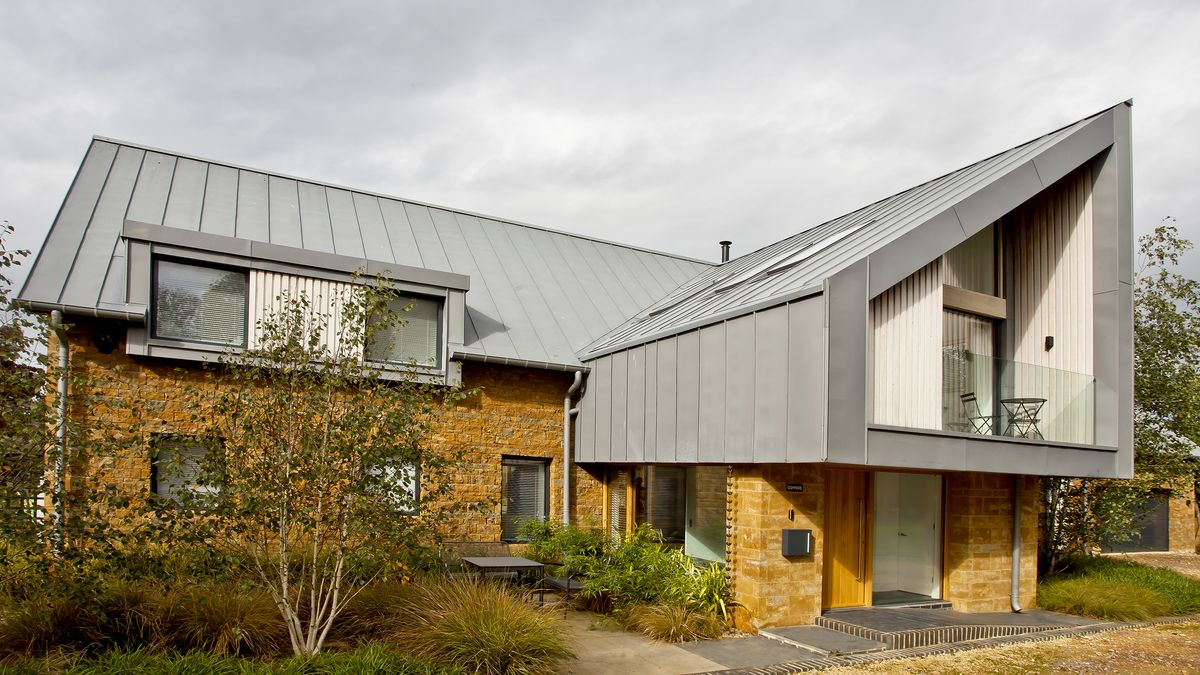
Zinc roofs require minimal maintenance, typically limited to occasional cleaning to remove debris. Their lightweight nature also simplifies installation, reducing labor costs and construction time. The flexibility of zinc allows for the creation of seamless, watertight roofs, minimizing the risk of leaks and other structural issues.
The Seamless Transition from Roof to Facade
One of the most striking trends in contemporary zinc architecture is the seamless transition from roof to facade. This integrated approach creates a unified and visually compelling envelope, blurring the lines between different building elements. The use of standing seam zinc panels allows for continuous cladding, creating a sense of fluidity and continuity.
The Incorporation of Green Roofs and Solar Panels
Zinc roofs provide an ideal platform for integrating green roofs and solar panels, further enhancing the sustainability and functionality of modern homes. The flat or gently sloping surfaces of zinc roofs can easily accommodate vegetation, creating a living roof that provides insulation, reduces stormwater runoff, and enhances biodiversity. Similarly, the durable and long-lasting nature of zinc makes it an excellent substrate for solar panels, maximizing energy efficiency and reducing reliance on fossil fuels.
The Exploration of Textured and Perforated Zinc Panels
Architects are increasingly exploring the use of textured and perforated zinc panels to create unique visual effects and enhance the building’s performance. Textured panels add depth and dimension to the facade, while perforated panels allow for natural ventilation and daylighting. These innovations demonstrate the versatility of zinc and its ability to adapt to evolving design trends.
Zinc and the Return to Natural Materials
The rise of zinc also coincides with a broader trend in architecture towards the use of natural and sustainable materials. Architects are increasingly seeking to create buildings that are not only aesthetically pleasing but also environmentally responsible. Zinc’s inherent qualities, its natural beauty, durability, and recyclability, make it a perfect fit for this movement.
Initial Cost and Investment
While zinc offers significant long-term benefits, its initial cost can be higher than traditional roofing materials. However, the extended lifespan, low maintenance requirements, and energy efficiency of zinc often offset the initial investment over time.
Specialized Installation and Expertise
The installation of zinc roofs requires specialized knowledge and expertise. It is crucial to work with experienced contractors who are familiar with the material and its specific installation requirements. Proper detailing and craftsmanship are essential to ensure the longevity and performance of the roof.
Aesthetic Considerations and Context
While zinc’s natural grey hue is widely appreciated, it may not be suitable for all architectural styles or contexts. It is essential to consider the surrounding environment and the overall design aesthetic when selecting a roofing material.
Zinc roofs have become a defining feature of modern house design, reflecting a growing appreciation for sustainable, durable, and aesthetically pleasing building materials. Their ability to adapt to diverse architectural styles, their exceptional longevity, and their environmental credentials make them a compelling choice for homeowners seeking a timeless and enduring roofing solution. As architects continue to explore the possibilities of zinc, we can expect to see even more innovative and inspiring applications of this remarkable material in the years to come. The metallic majesty of zinc, once relegated to industrial settings, now crowns the most elegant and forward-thinking homes of the modern era.


