
The Contemporary Duplex: A Deep Dive into Modern Two-Story Home Design
The modern two-story house, a staple of contemporary architecture, represents a dynamic blend of form and function, offering ample living space while embracing sleek, minimalist aesthetics. This essay will explore the multifaceted aspects of these dwellings, delving into their design principles, spatial arrangements, material choices, and the evolving trends that shape their identity.
At its core, modern architecture prioritizes clean lines, open spaces, and a harmonious integration with the surrounding environment. The two-story structure, in particular, lends itself to this philosophy, allowing for a clear separation of public and private zones.
Spatial Organization: Defining the Zones

Ground Floor: The Heart of Social Interaction. The ground level typically functions as the primary social space. Open-plan living areas, encompassing the kitchen, dining room, and living room, create a seamless flow, fostering interaction and connectivity. Large expanses of glass, often in the form of sliding doors or floor-to-ceiling windows, blur the boundaries between indoor and outdoor spaces, inviting natural light and establishing a visual connection with the garden or patio.
Architectural Language: Embracing Clean Lines and Minimalist Forms
Rooflines and Facades: Modern two-story homes often feature flat or low-pitched roofs, contributing to their sleek, geometric appearance. Facades are characterized by clean lines, minimal ornamentation, and a preference for large, unadorned surfaces. The use of contrasting materials and textures, such as wood cladding, concrete panels, or metal accents, adds visual interest and depth.
The choice of materials plays a crucial role in defining the aesthetic and functional qualities of a modern two-story home.
Natural Materials: Bringing Warmth and Texture
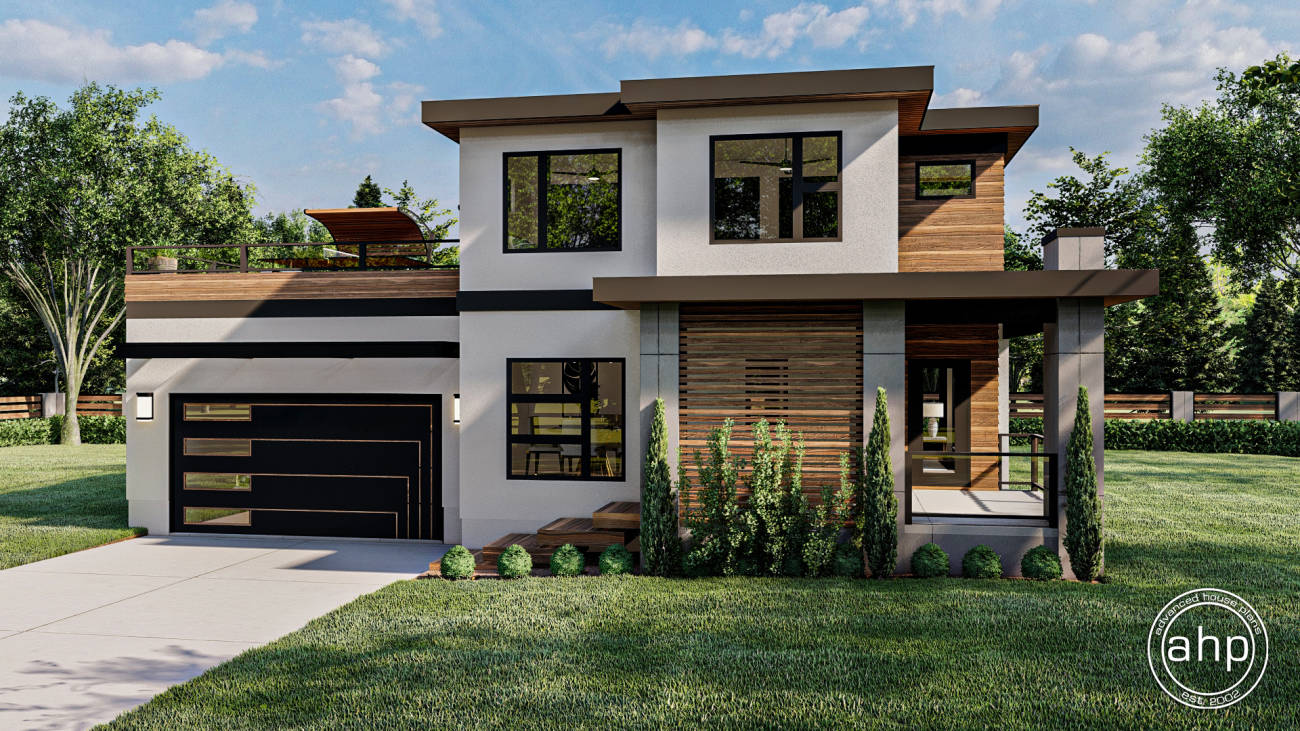
Wood: Wood is a popular choice for both structural and decorative purposes. Its natural warmth and texture add a sense of organic beauty to modern interiors and exteriors. Wood cladding, exposed beams, and timber flooring are commonly used to create a welcoming and inviting atmosphere.
Industrial Materials: Embracing Sleekness and Durability
Concrete: Concrete, both poured and precast, is a versatile material that can be used for foundations, walls, and flooring. Its strength, durability, and minimalist aesthetic make it a popular choice for modern architecture.
The interior design of a modern two-story home complements the architectural language, emphasizing simplicity, functionality, and a seamless integration with the exterior.
Minimalist Aesthetics: Embracing Simplicity and Clarity

Clean Lines and Uncluttered Spaces: Minimalist interiors are characterized by clean lines, uncluttered surfaces, and a restrained color palette. Furniture and decor are carefully selected to create a sense of harmony and balance.
Functional Design: Prioritizing Comfort and Convenience
Open-Plan Living Areas: Open-plan layouts create a seamless flow between different living areas, promoting social interaction and flexibility.
The design of modern two-story homes is constantly evolving, influenced by technological advancements, changing lifestyles, and a growing awareness of environmental sustainability.
Sustainability and Energy Efficiency: Prioritizing Eco-Conscious Living
Net-Zero Energy Homes: Net-zero energy homes are designed to produce as much energy as they consume, minimizing their environmental impact.
Flexibility and Adaptability: Meeting the Needs of Changing Lifestyles
Multifunctional Spaces: Multifunctional spaces, such as home offices that can be converted into guest rooms, are designed to adapt to changing needs.
Integration with Nature: Blurring the Boundaries Between Indoors and Outdoors
Biophilic Design: Biophilic design principles, which emphasize the connection between humans and nature, are increasingly incorporated into modern homes.
The modern two-story home, with its emphasis on simplicity, functionality, and sustainability, represents a compelling vision for contemporary living. As technology advances and lifestyles evolve, these dwellings will continue to adapt and innovate, shaping the future of residential architecture.


