
The Triadic Dwelling: Unpacking the Modern 3-in-1 house
The modern housing landscape is undergoing a radical transformation, driven by evolving lifestyles, economic pressures, and a growing awareness of sustainability. One of the most intriguing manifestations of this shift is the emergence of the “3-in-1” house – a concept that transcends traditional single-family dwellings to encompass a multifaceted approach to living, working, and generating income. This architectural and social innovation is not merely about maximizing space; it’s about redefining the very essence of home.
The Genesis of the Triadic Concept
The 3-in-1 house is a direct response to the increasing complexity of modern life. It acknowledges the blurring lines between work and personal life, the rise of the gig economy, and the desire for flexible living arrangements. Traditionally, homes were designed with a singular purpose: to provide shelter and a space for family life. However, the 21st century demands more.
The Three Pillars of the 3-in-1
At its core, the 3-in-1 house integrates three distinct yet interconnected functions:
Residential Space: The Heart of the Home
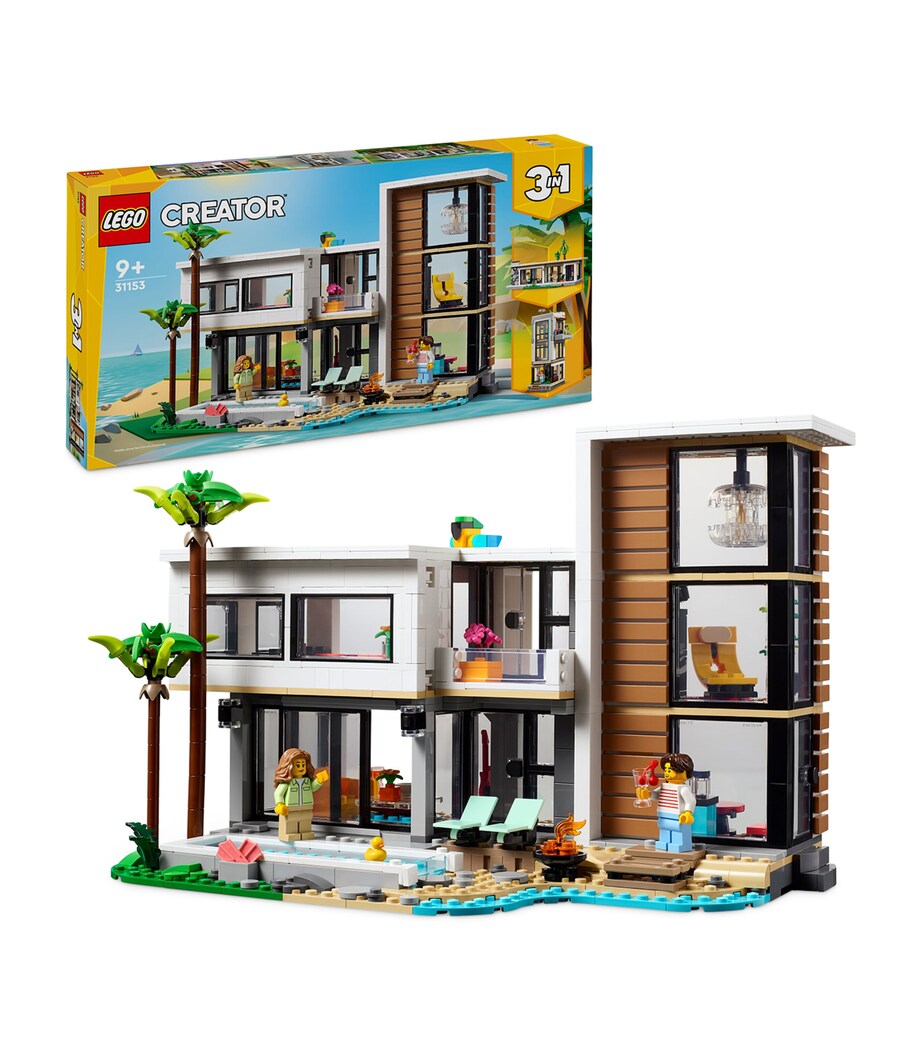
This remains the fundamental element, providing comfortable and functional living areas for the occupants. However, modern residential spaces are designed with flexibility in mind. Open-plan layouts, adaptable rooms, and multi-purpose furniture allow for seamless transitions between different activities. Emphasis is placed on creating a sanctuary, a place of retreat and rejuvenation, while also fostering social interaction and connection.
Key Features of Modern Residential Spaces
Open-Plan Living: Seamless flow between living, dining, and kitchen areas, promoting social interaction and a sense of spaciousness.
Work/Business Space: The Productive Hub
The rise of remote work and entrepreneurship has transformed the home into a potential workspace. The 3-in-1 house recognizes this shift by incorporating dedicated work/business spaces that are separate from the residential areas. This could range from a dedicated home office to a small studio or workshop, depending on the occupant’s needs.
Essential Considerations for Work/Business Spaces
Dedicated Entrance: Separate access for clients or customers, ensuring privacy and minimizing disruption to the residential area.
Income-Generating Space: The Financial Engine
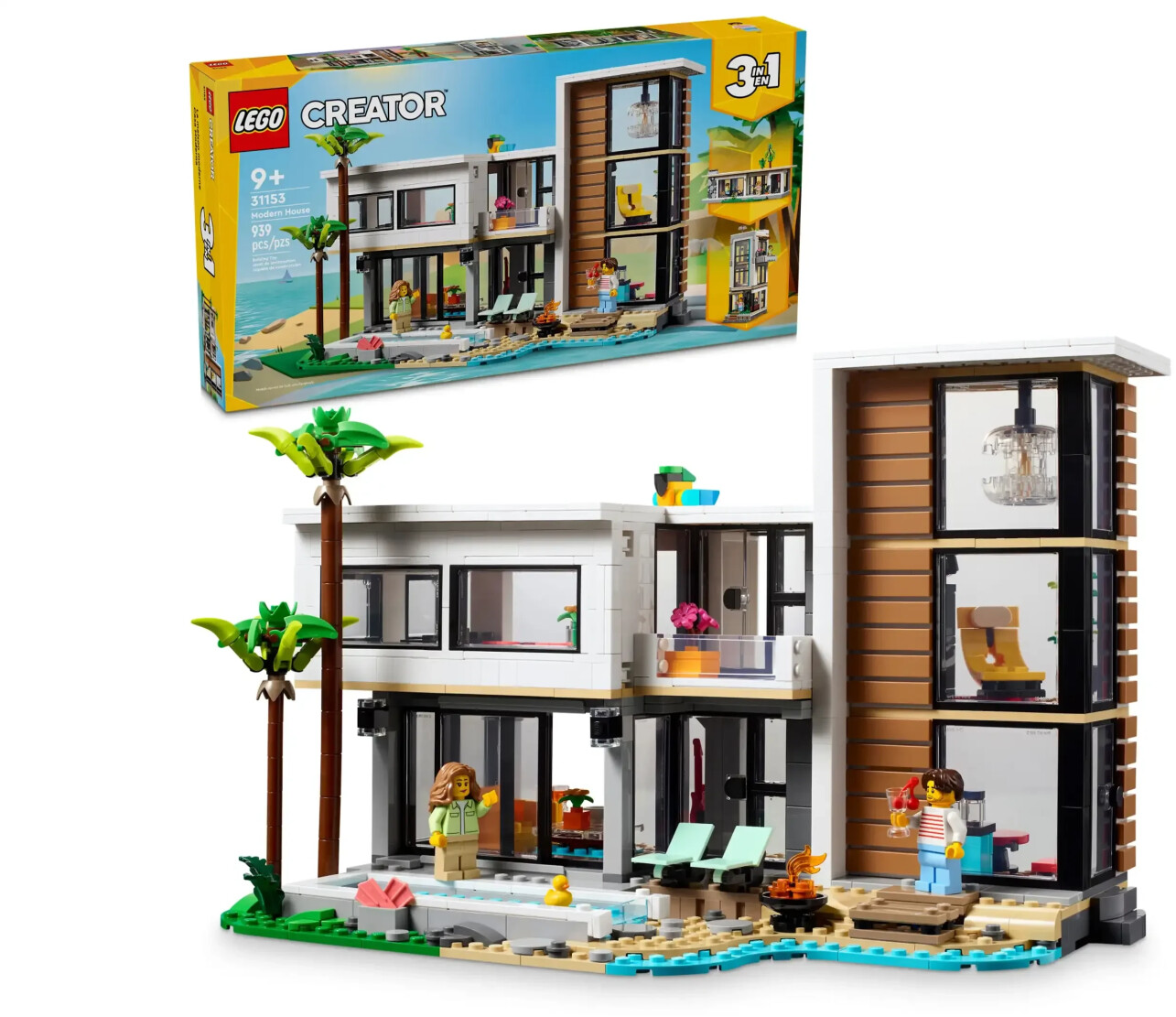
This is perhaps the most innovative aspect of the 3-in-1 house. It recognizes the potential for homes to generate income, whether through renting out a portion of the property, operating a home-based business, or providing services to the community. This could involve a separate apartment, a guest suite, a workshop for crafting or repairs, or a space for hosting events.
Strategies for Income Generation
Rental Unit: A separate apartment or guest suite with its own entrance, providing a source of rental income.
Architectural Considerations for the 3-in-1
Designing a successful 3-in-1 house requires careful planning and consideration of several architectural factors:
Zoning and Separation
Clear delineation between the residential, work/business, and income-generating spaces to ensure privacy and functionality.
Flexibility and Adaptability
Modular design elements that allow for easy reconfiguration of spaces to accommodate changing needs.
Sustainability and Energy Efficiency
Use of sustainable materials and construction techniques to minimize environmental impact.
Accessibility and Inclusivity
Design features that accommodate the needs of people with disabilities.
The Social and Economic Impact
The 3-in-1 house has the potential to significantly impact society and the economy:
Increased Housing Affordability
Generating income from a portion of the property can help offset mortgage payments and other housing costs, making homeownership more accessible.
Enhanced Economic Resilience
Diversifying income streams through home-based businesses or rental income can provide financial stability and resilience in the face of economic fluctuations.
Strengthened Communities
Creating opportunities for community interaction and collaboration through shared workspaces or workshops.
Environmental Sustainability
Reducing the need for separate commercial and residential spaces, minimizing urban sprawl and resource consumption.
Challenges and Considerations
Despite its potential benefits, the 3-in-1 house also presents several challenges and considerations:
Zoning Regulations
Local zoning regulations may restrict certain types of home-based businesses or rental activities.
Privacy and Noise
Maintaining privacy and minimizing noise transfer between different zones can be a challenge.
Management and Maintenance
Managing and maintaining multiple functions within a single property can be demanding.
Financing and Insurance
Obtaining financing and insurance for a 3-in-1 property may be more complex than for a traditional single-family home.
The Future of the Triadic Dwelling
The 3-in-1 house is not merely a passing trend; it represents a fundamental shift in how we think about and use our homes. As technology advances, lifestyles evolve, and economic pressures persist, the demand for flexible, adaptable, and income-generating housing solutions will continue to grow. The triadic dwelling is a testament to the innovative spirit of modern architecture and the resilience of human ingenuity. It’s a blueprint for a future where homes are not just places to live, but also engines of economic opportunity and community connection.


