
The Evolution of 3D Modern house Design: A Deep Dive
The architectural landscape has been irrevocably transformed by the advent of 3D modeling and rendering technologies. Modern house design, in particular, has benefited immensely, moving beyond static blueprints to immersive, interactive experiences. This article delves into the intricacies of 3D modern house design, exploring its key features, technological advancements, and the impact it has on both architects and homeowners.
Before exploring the 3D realm, it’s essential to understand the core principles that define modern house design:
Simplicity and Minimalism
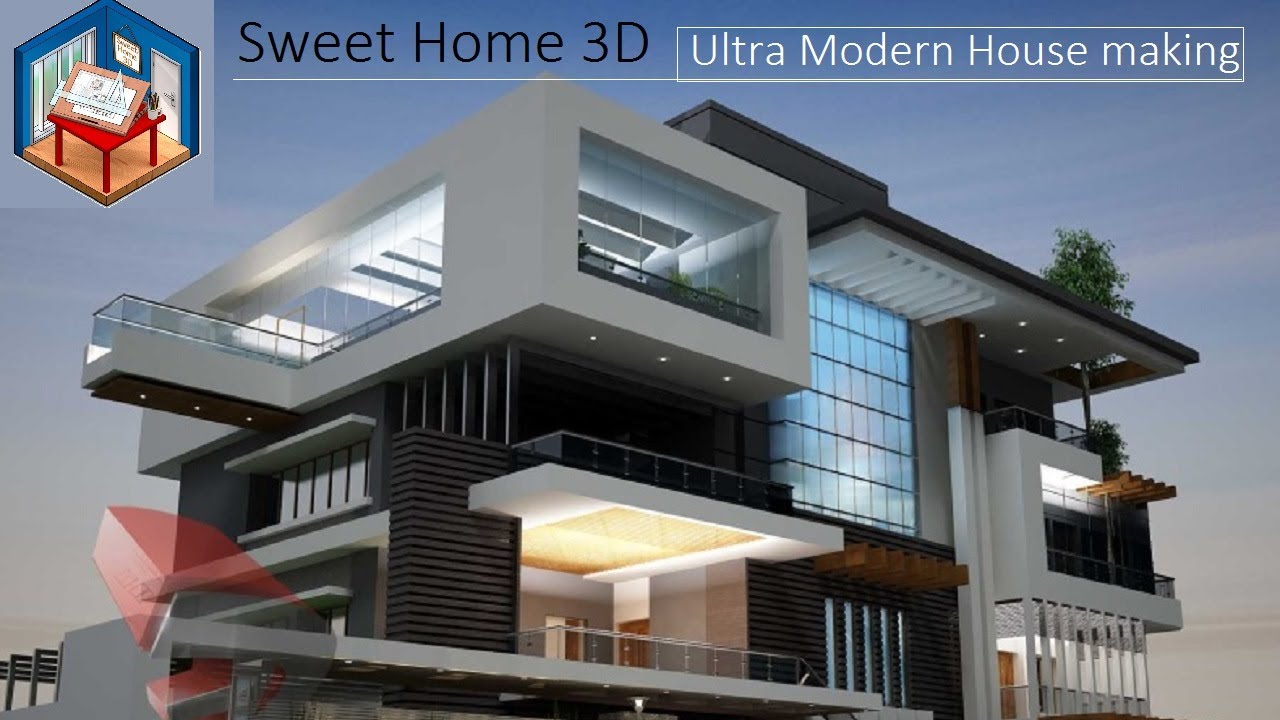
Modern architecture emphasizes clean lines, uncluttered spaces, and a “less is more” philosophy. This translates to open floor plans, minimal ornamentation, and a focus on essential elements.
Integration with Nature
Large windows, sliding glass doors, and outdoor living spaces are central to modern design, blurring the lines between indoor and outdoor environments. Natural light and ventilation are prioritized.
Functionalism and Efficiency
Form follows function in modern architecture. Every element serves a purpose, and efficient use of space is paramount. This includes incorporating smart home technologies and sustainable building materials.
Use of Modern Materials
Steel, concrete, glass, and engineered wood are commonly used in modern house design, offering durability, strength, and aesthetic appeal.
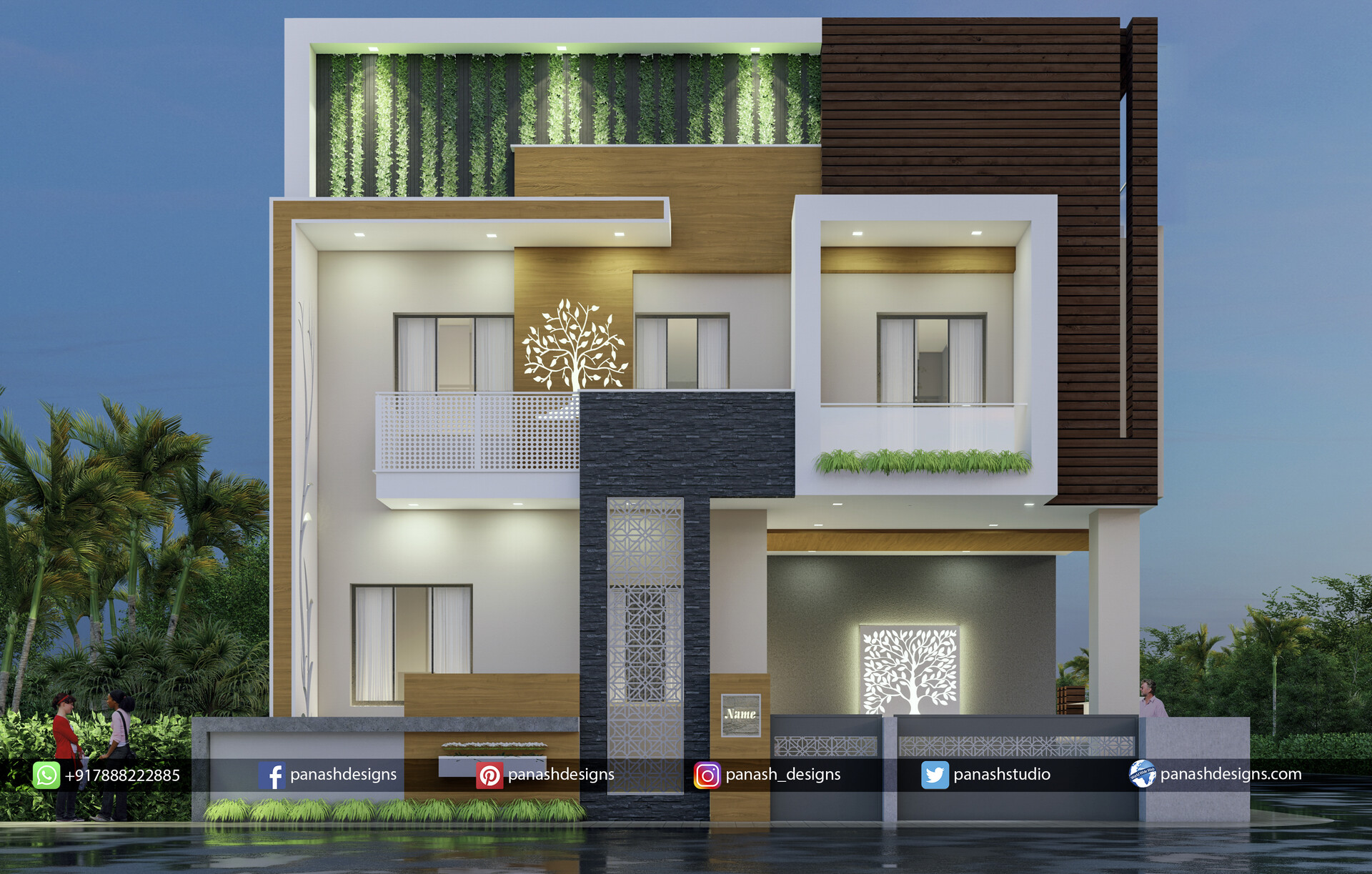
3D modeling software has revolutionized the way architects visualize and communicate their designs.
Enhanced Visualization and Communication
3D models allow architects to create realistic representations of their designs, enabling clients to fully grasp the spatial relationships and aesthetic qualities of a proposed house. This eliminates ambiguity and facilitates informed decision-making.
Iterative Design and Refinement
3D modeling enables architects to quickly iterate on their designs, exploring different layouts, materials, and finishes. Changes can be made in real-time, allowing for rapid prototyping and refinement.
Accurate Building Information Modeling (BIM)
BIM goes beyond simple visualization, incorporating detailed information about building components, materials, and systems. This allows for accurate cost estimation, construction scheduling, and clash detection, minimizing errors and delays.
Virtual Walkthroughs and Immersive Experiences
3D rendering software enables the creation of virtual walkthroughs, allowing clients to experience their future home before it is built. This provides a sense of scale, proportion, and atmosphere, enhancing the overall design experience.
The application of 3D technology has led to the emergence of several distinctive features in modern house design.
Open Floor Plans and Fluid Spaces
3D modeling allows architects to experiment with open floor plans and fluid spaces, creating seamless transitions between different areas. This promotes a sense of spaciousness and connectivity.
Cantilevered Structures and Floating Elements
3D modeling facilitates the design of complex geometries, including cantilevered structures and floating elements. These architectural features add visual interest and create a sense of drama.
Integrated Smart Home Technologies
3D models can incorporate detailed information about smart home systems, including lighting, HVAC, security, and entertainment. This allows for seamless integration and optimization of these technologies.
Sustainable Design and Energy Efficiency
3D modeling and simulation tools can be used to analyze the energy performance of a building, optimizing its design for natural light, ventilation, and thermal efficiency. This supports sustainable design practices.
Customization and Personalization
3D modeling allows for a high degree of customization and personalization, enabling clients to tailor their homes to their specific needs and preferences. This includes selecting materials, finishes, and furniture layouts.
Several technological advancements have contributed to the evolution of 3D modern house design.
Real-Time Rendering and Virtual Reality (VR)
Real-time rendering engines allow for interactive exploration of 3D models, while VR headsets provide immersive experiences that blur the lines between virtual and real.
Generative Design and AI
Generative design algorithms and AI-powered tools can automate the design process, generating multiple design options based on specific parameters and constraints.
3D Printing and Additive Manufacturing
3D printing technology is increasingly being used in the construction industry, allowing for the fabrication of complex architectural components and even entire buildings.
Cloud-Based Collaboration and Remote Access
Cloud-based platforms enable architects, clients, and contractors to collaborate remotely, sharing and accessing 3D models from anywhere in the world.
Photorealistic Rendering and Material Libraries
Improved rendering engines and extensive material libraries allow for the creation of photorealistic images and animations, enhancing the visual appeal of 3D models.
The adoption of 3D technology has had a profound impact on both architects and homeowners.
For Architects: Streamlined Workflow and Enhanced Creativity
3D modeling and BIM have streamlined the design process, reducing errors and improving efficiency. Architects can explore more design options and experiment with innovative forms and materials.
For Homeowners: Increased Confidence and Satisfaction
3D visualizations and virtual walkthroughs provide homeowners with a clear understanding of their future home, increasing their confidence and satisfaction with the design.
Improved Communication and Collaboration
3D models facilitate communication and collaboration between architects, clients, and contractors, minimizing misunderstandings and ensuring that everyone is on the same page.
Reduced Construction Costs and Timelines
BIM and clash detection tools help to identify and resolve potential problems before construction begins, reducing costs and timelines.
Enhanced Marketing and Sales
3D renderings and virtual tours are powerful marketing tools, allowing developers to showcase their properties to potential buyers in an engaging and immersive way.
The future of 3D modern house design is bright, with several exciting trends on the horizon.
Increased Use of AI and Machine Learning
AI and machine learning will play an increasingly important role in the design process, automating tasks and generating innovative design solutions.
Integration of Augmented Reality (AR)
AR technology will allow homeowners to visualize furniture and finishes in their actual spaces, enhancing the customization and personalization process.
Sustainable and Biophilic Design
3D modeling will be used to optimize building designs for sustainability and biophilic principles, creating healthier and more environmentally friendly homes.
Modular and Prefabricated Construction
3D printing and prefabricated construction techniques will become more prevalent, enabling faster and more efficient building processes.
Personalized and Adaptive Architecture
3D modeling and smart home technologies will enable the creation of personalized and adaptive homes that respond to the needs and preferences of their occupants.
3D modern house design has transformed the architectural landscape, empowering architects to create innovative and inspiring homes. As technology continues to evolve, we can expect to see even more exciting advancements in the years to come. The fusion of creativity and technology is shaping the future of residential architecture, creating spaces that are not only aesthetically pleasing but also functional, sustainable, and personalized. 3D modeling has transitioned from a tool to visualize, to a tool that creates experiences and allows for greater understanding between all parties involved in the creation of a home.


